"Repetition is a form of change." — Peter Schmidt
Never twice without three times, this is how we are as human beings. We try to bring back the nice things and good feelings, but we also make the same mistakes. Repetitions can be seen in all kinds of human creations and histories, it encompasses certainly also art and design, which I want to write about here.
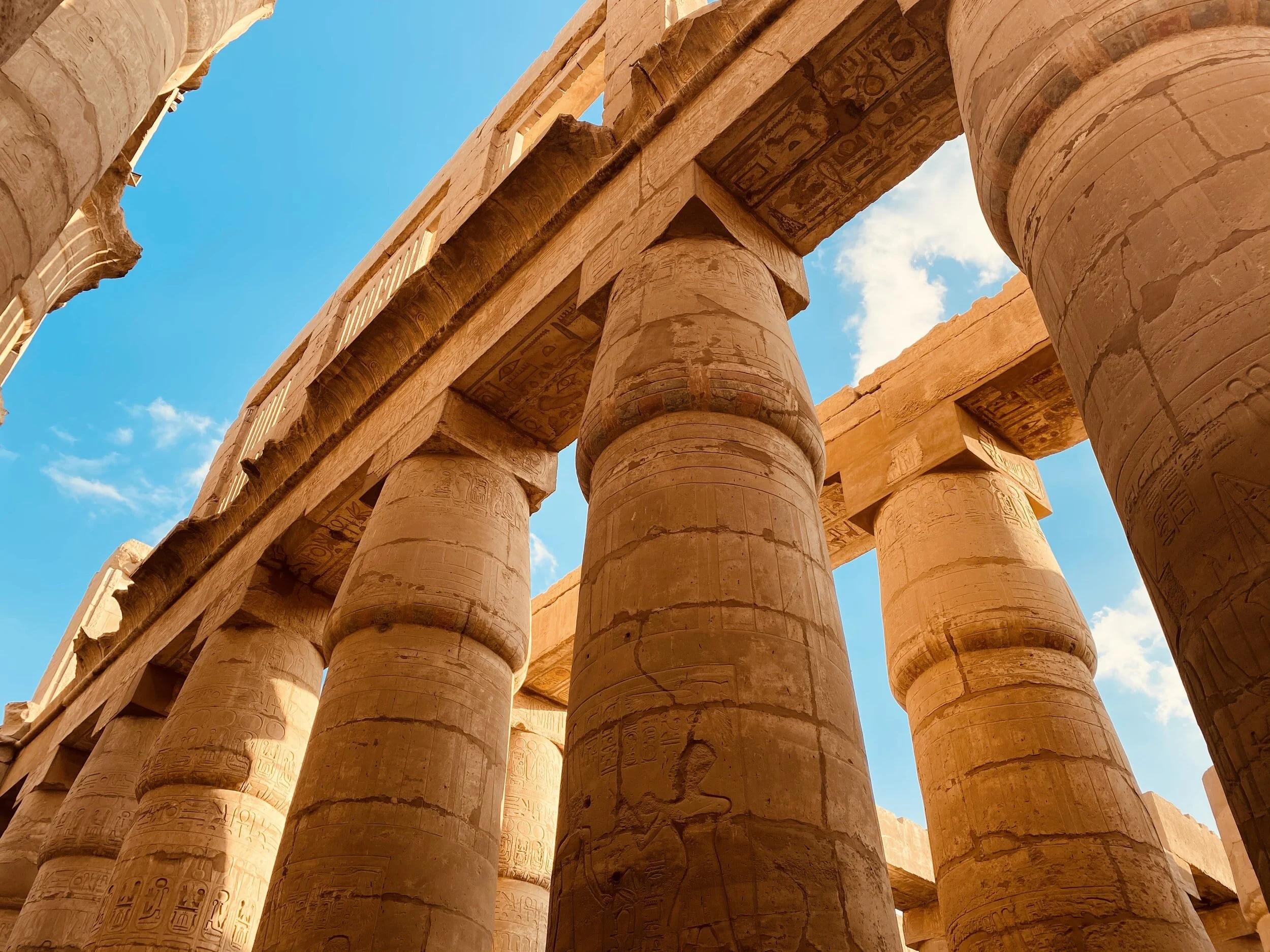
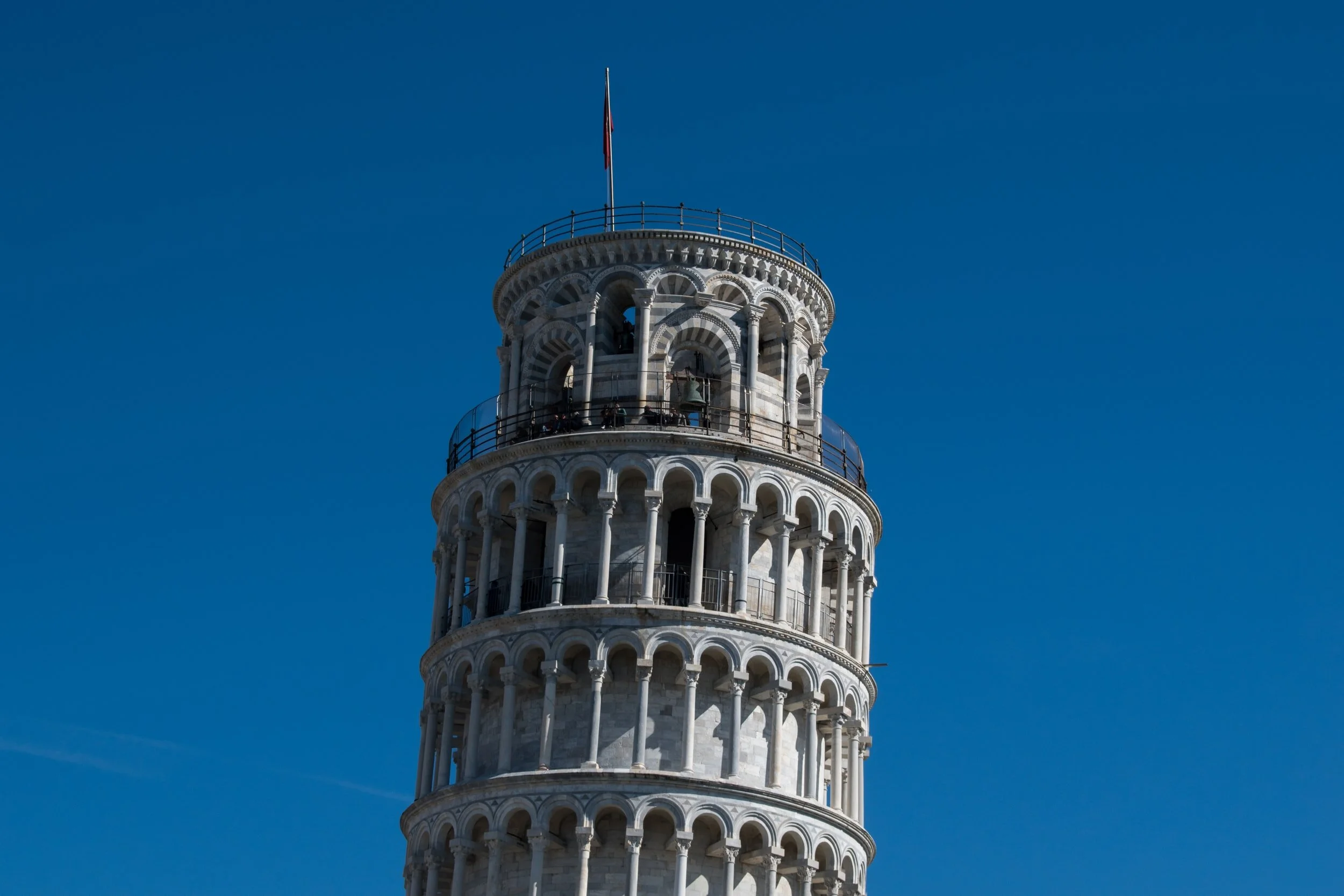
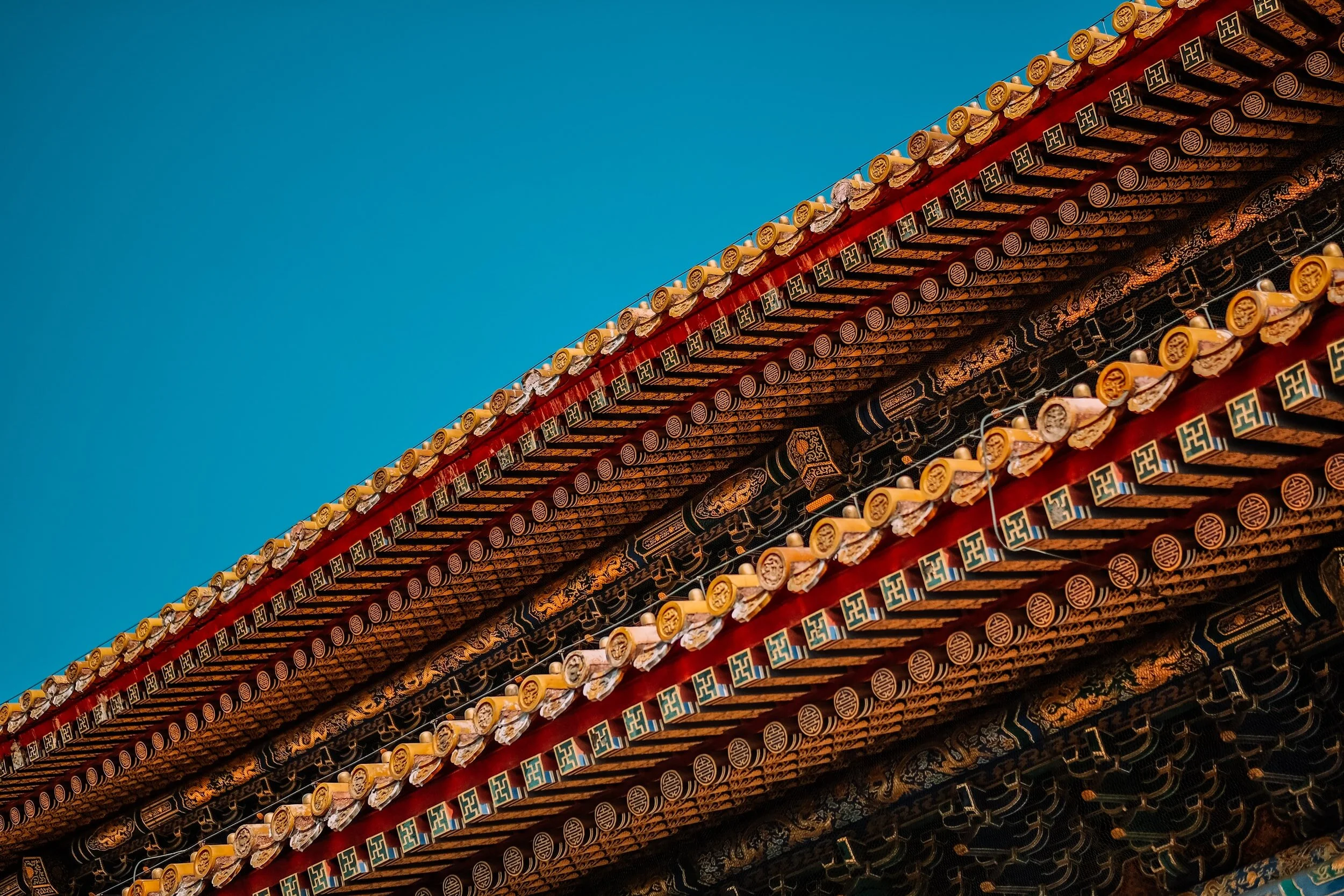
Starting with the historical architectures, which still can be seen out there all over the world. From the ancient time to the modern era, from Africa to Asia, the repetition of architectural components is widely used to create especially large buildings. There are several reasons for doing that, efficiency by production and building must have been one of the most important reasons, the solemn and majestic visual effect of repetition is also hard to overlook.
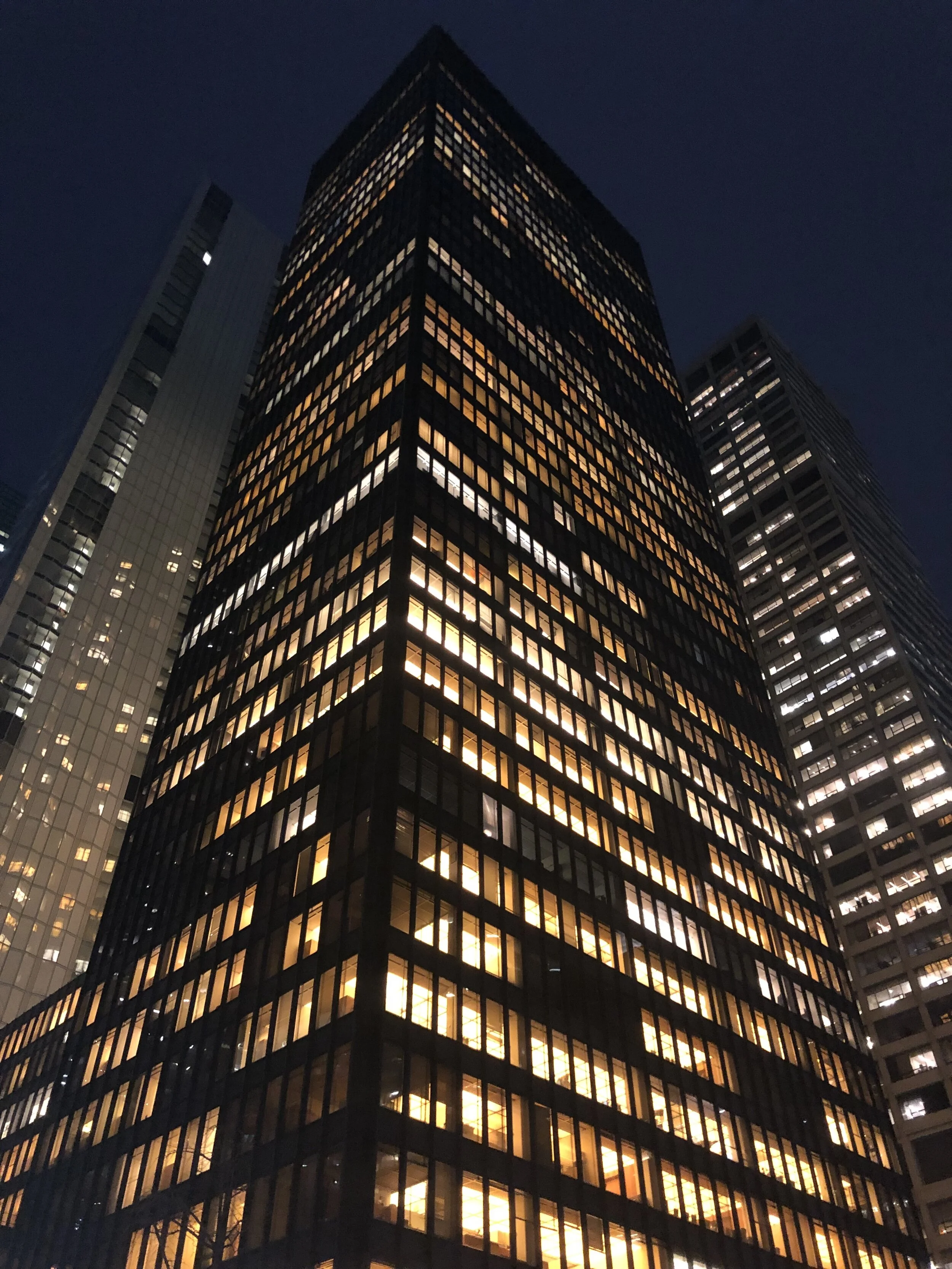
Also in modern and contemporary architectures, the repetition of elements has never left the stage. Behind it are the same reasons for efficiency and the great impression brought by the huge quantity. Especially with the modernist architecture movement between 1900 and 1980, uncountable great architects followed function rather than form: Glass, steel, and reinforced concrete are used to build repetitions of the simplest basic elements. Its beauty might not be fashionable at this moment, but the aesthetics behind it is everlasting.
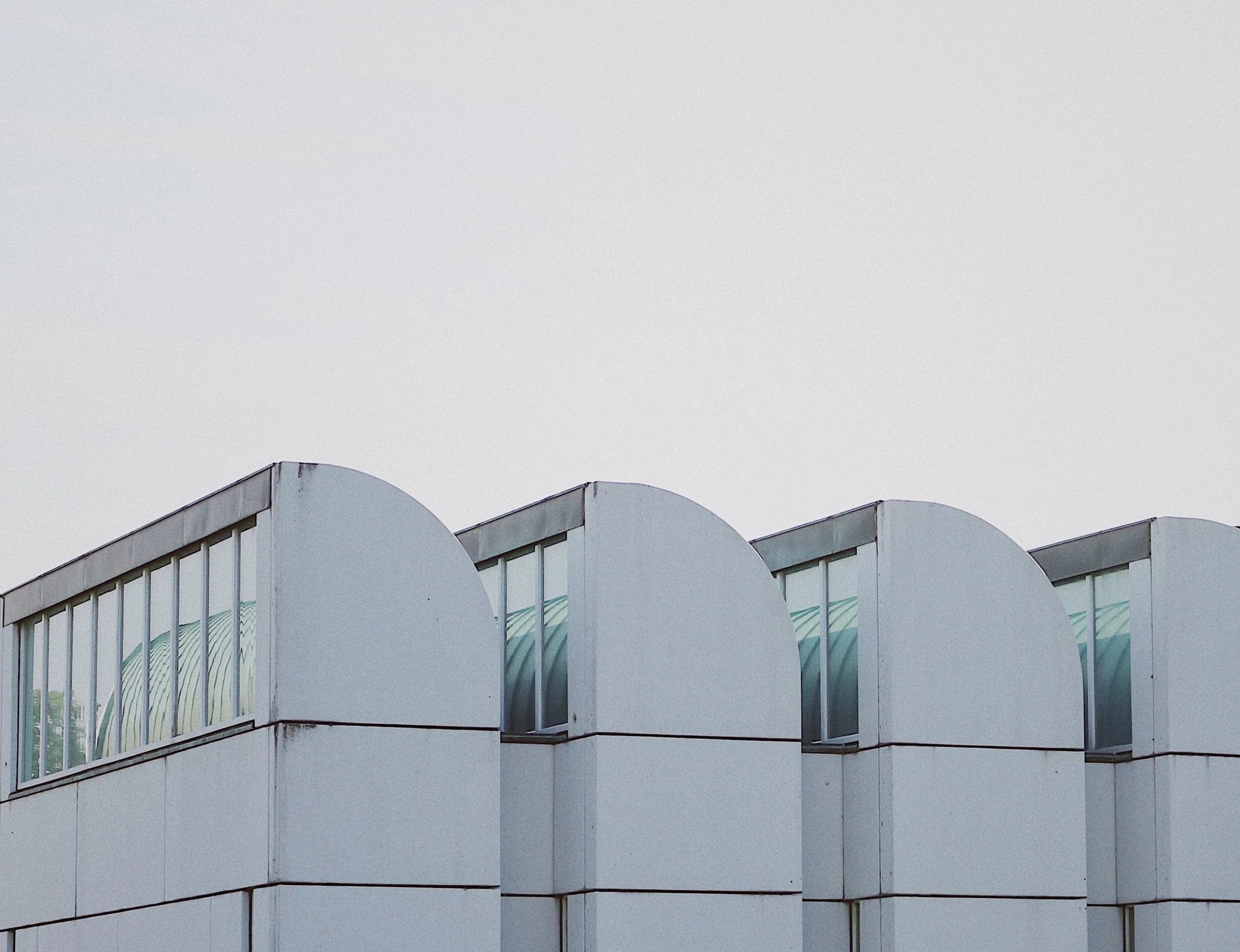
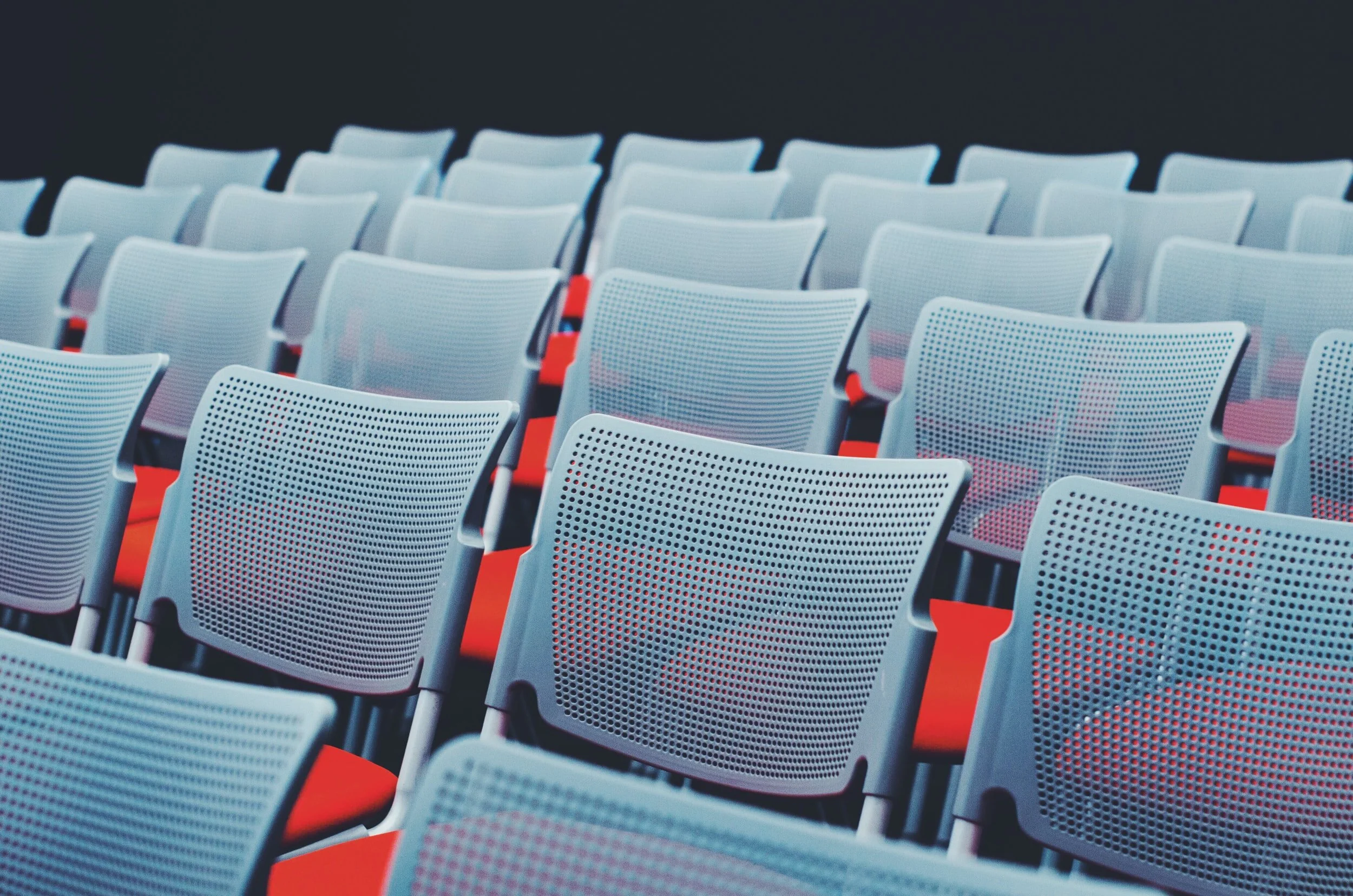
However, the quantity isn't absolutely decisive. Sometimes a low but fine amount of repetition would be enough to create an introverted impressive vibe that makes you smile.
Also when we come into our home, repetition is a very often used language by interior designers. Here the structure of the building itself can already be a perfect decoration that creates a neat look and a comfortable sense of extension.
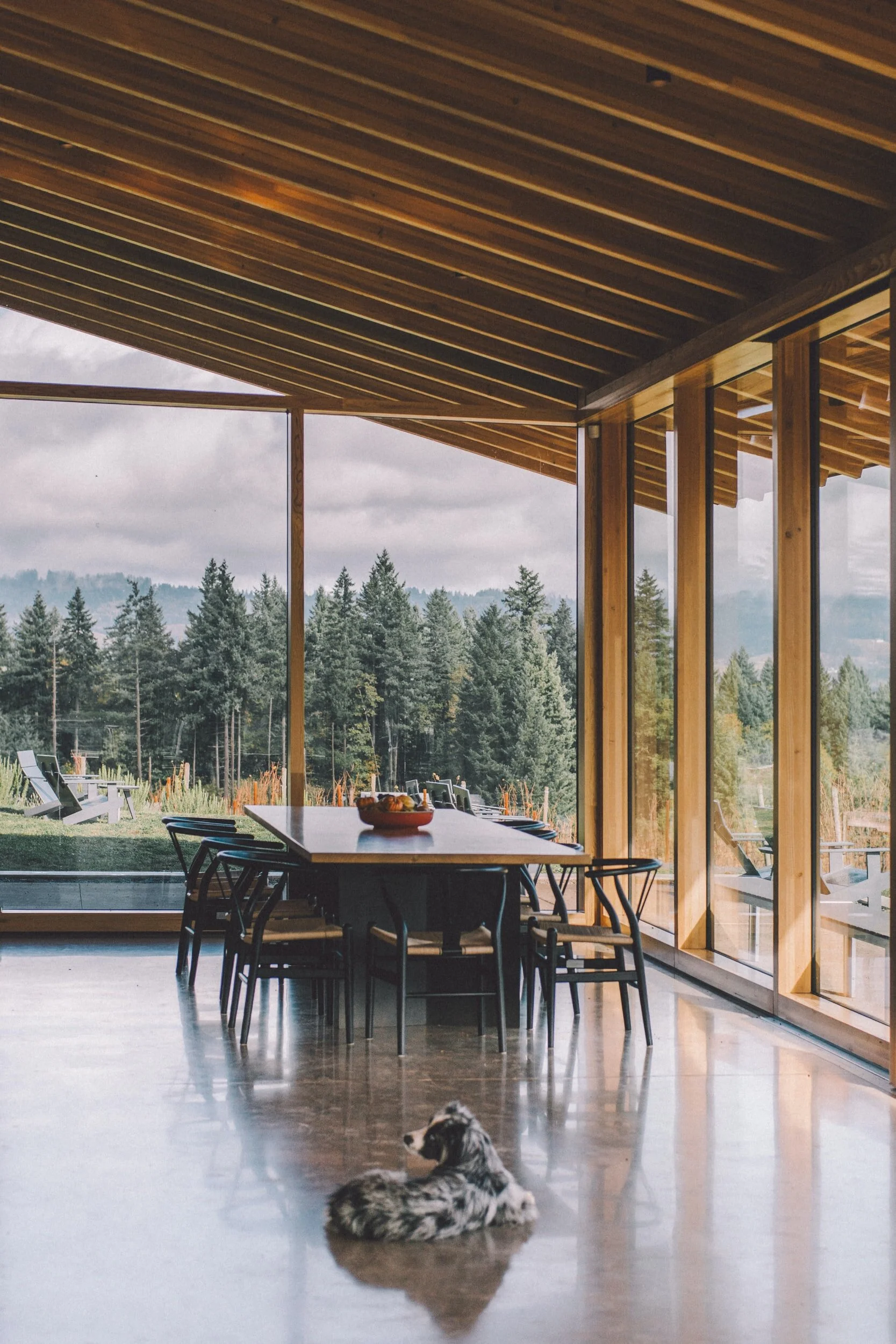
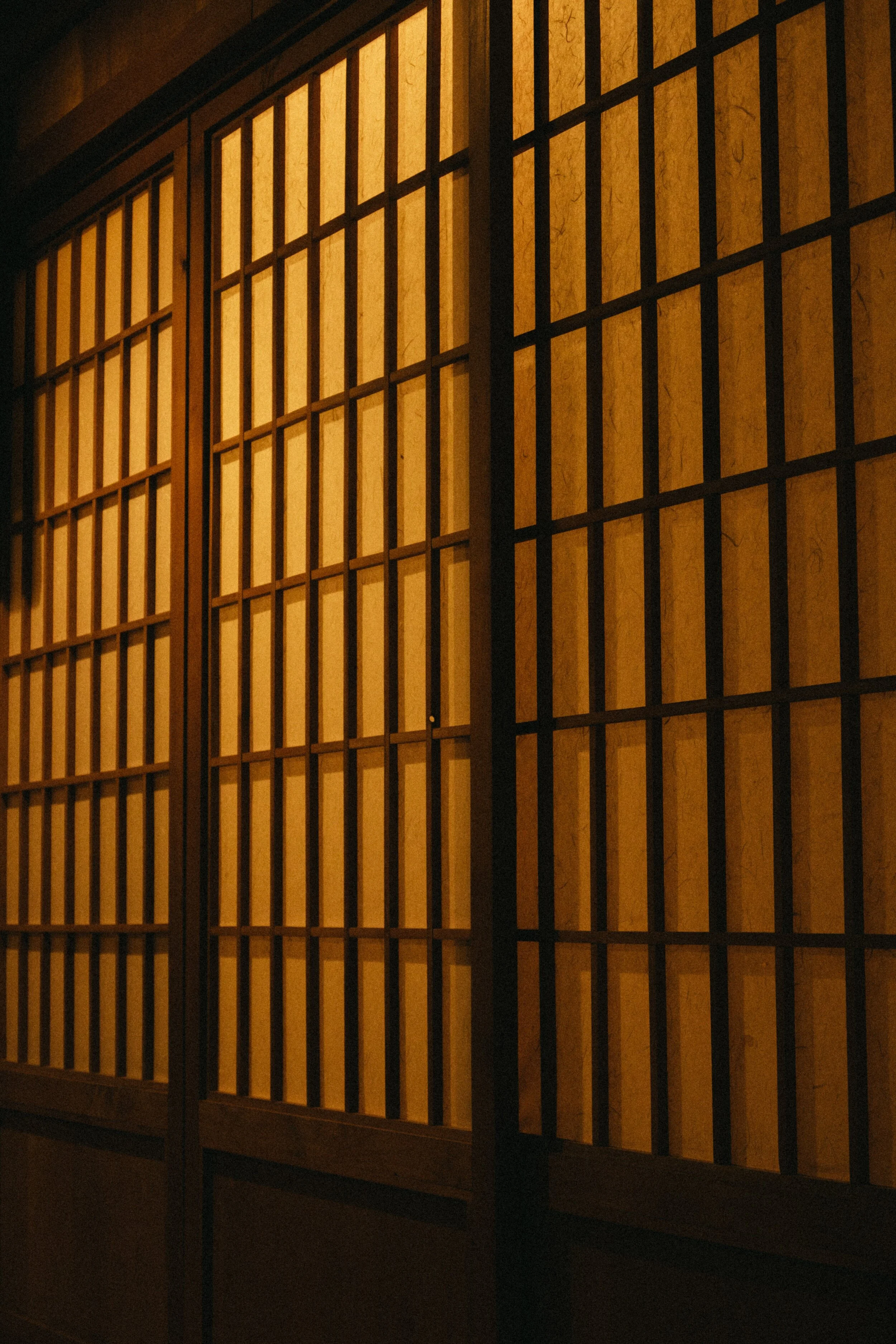
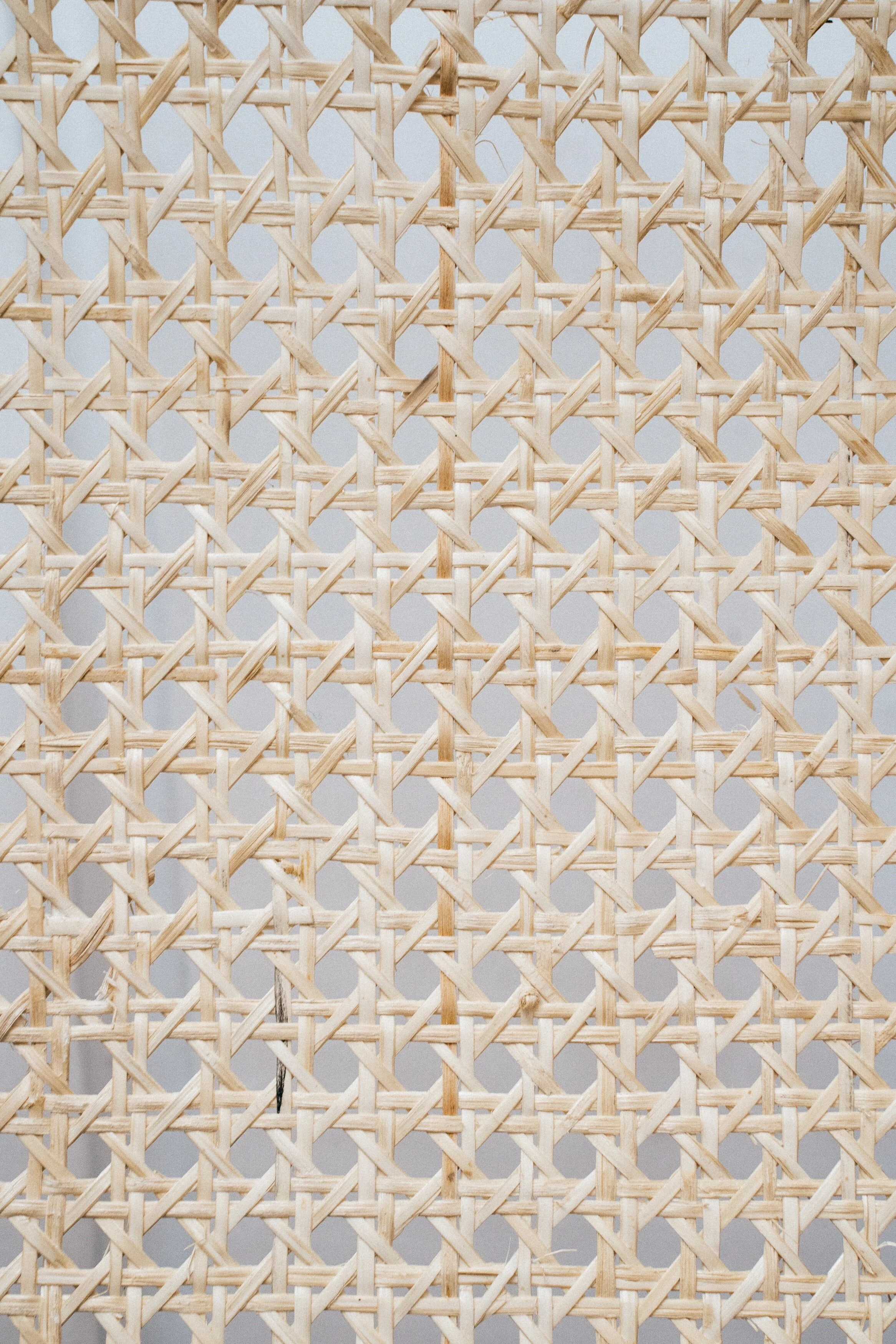
Anything can be a piece of art when they repeat themselves in a huge amount. This might be only my hypothesis. But if we look back on the numerous successful artworks, architectures, and design pieces, my hypothesis might look a lot more reasonable.
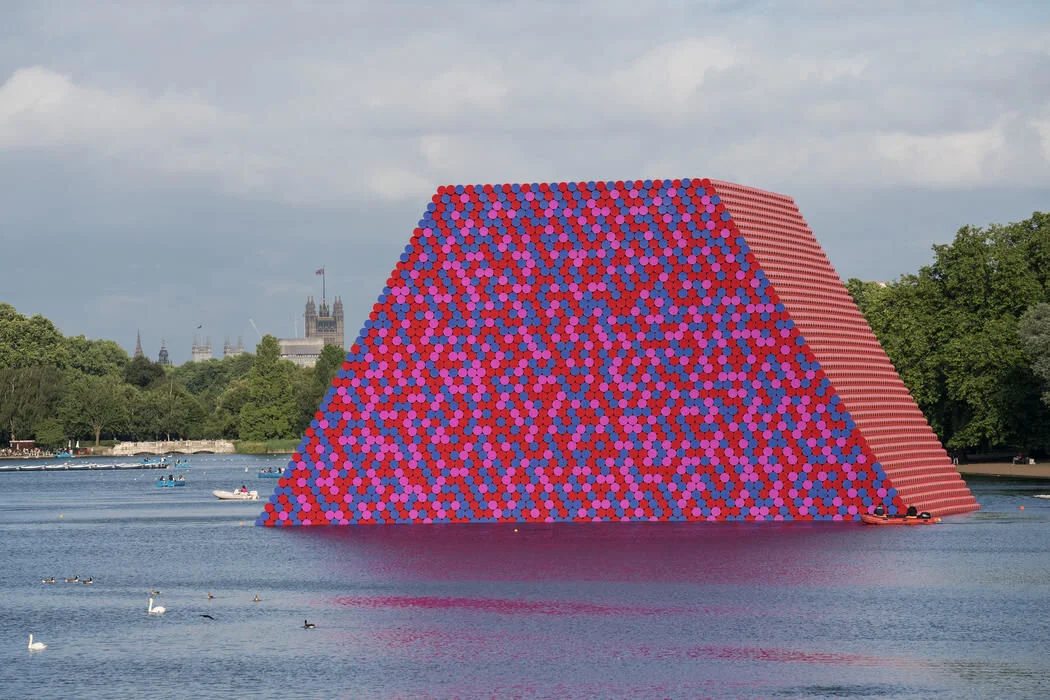
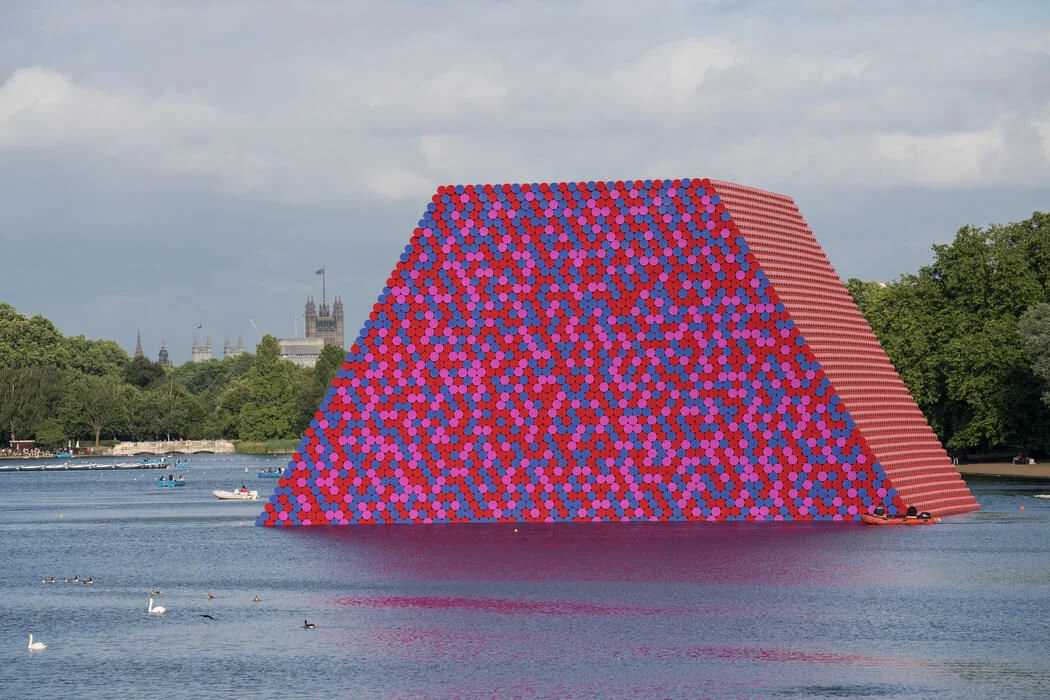
One of the last installation pieces from Christo and Jeanne-Claude used over 7,500 colored oil barrels. There is no explanation for this artwork, just like their other pieces. However, no one can go away from it without staring at it for minutes.
"We make beautiful things, unbelievably useless, totally unnecessary." — Christo
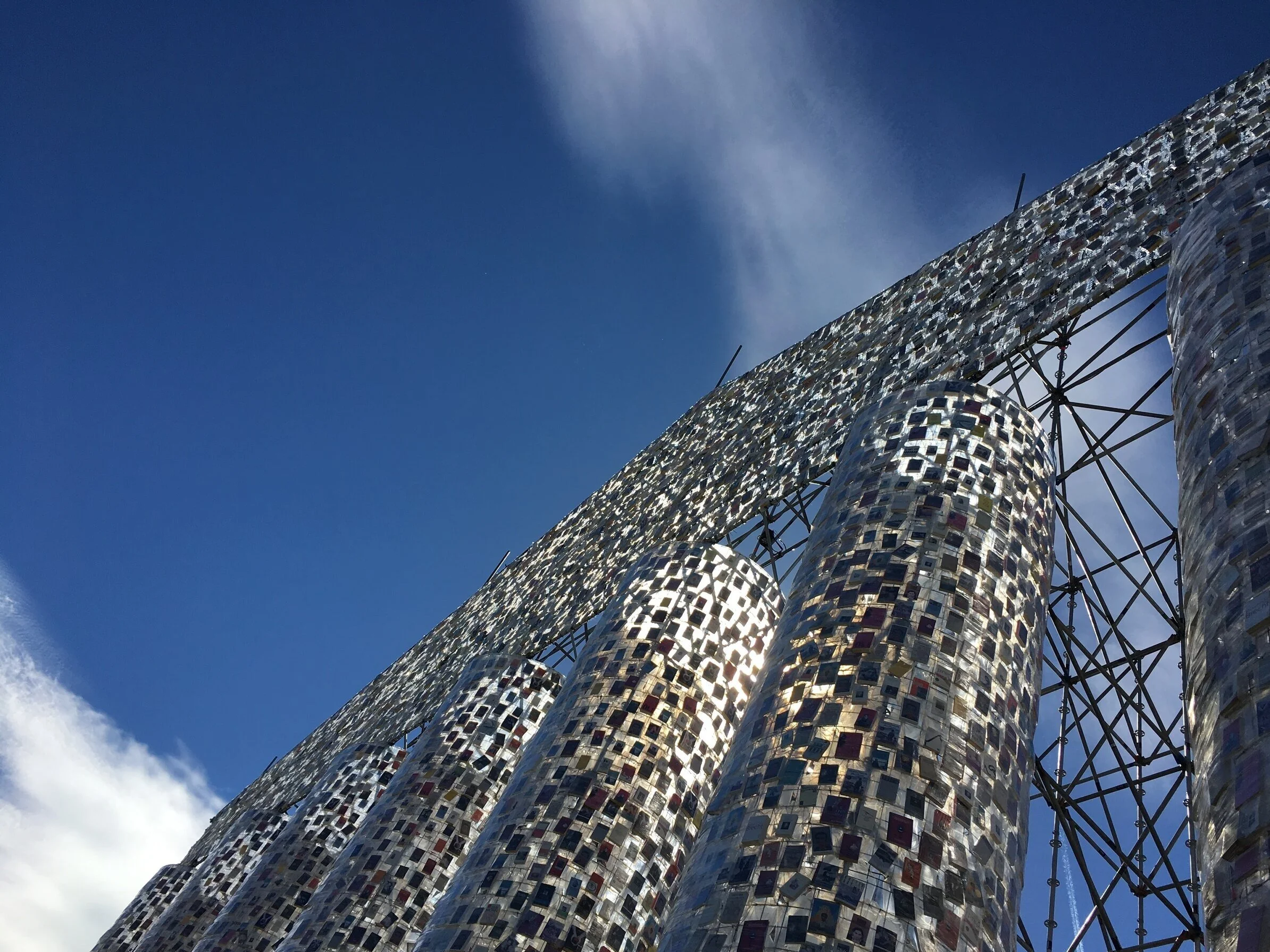
For the Documenta 14 in Kassel, Argentinian artist Marta Minujin collected over 60,000 once forbidden or still forbidden books all over the world to create this huge installation. The quantity here definitely played a highly important role.
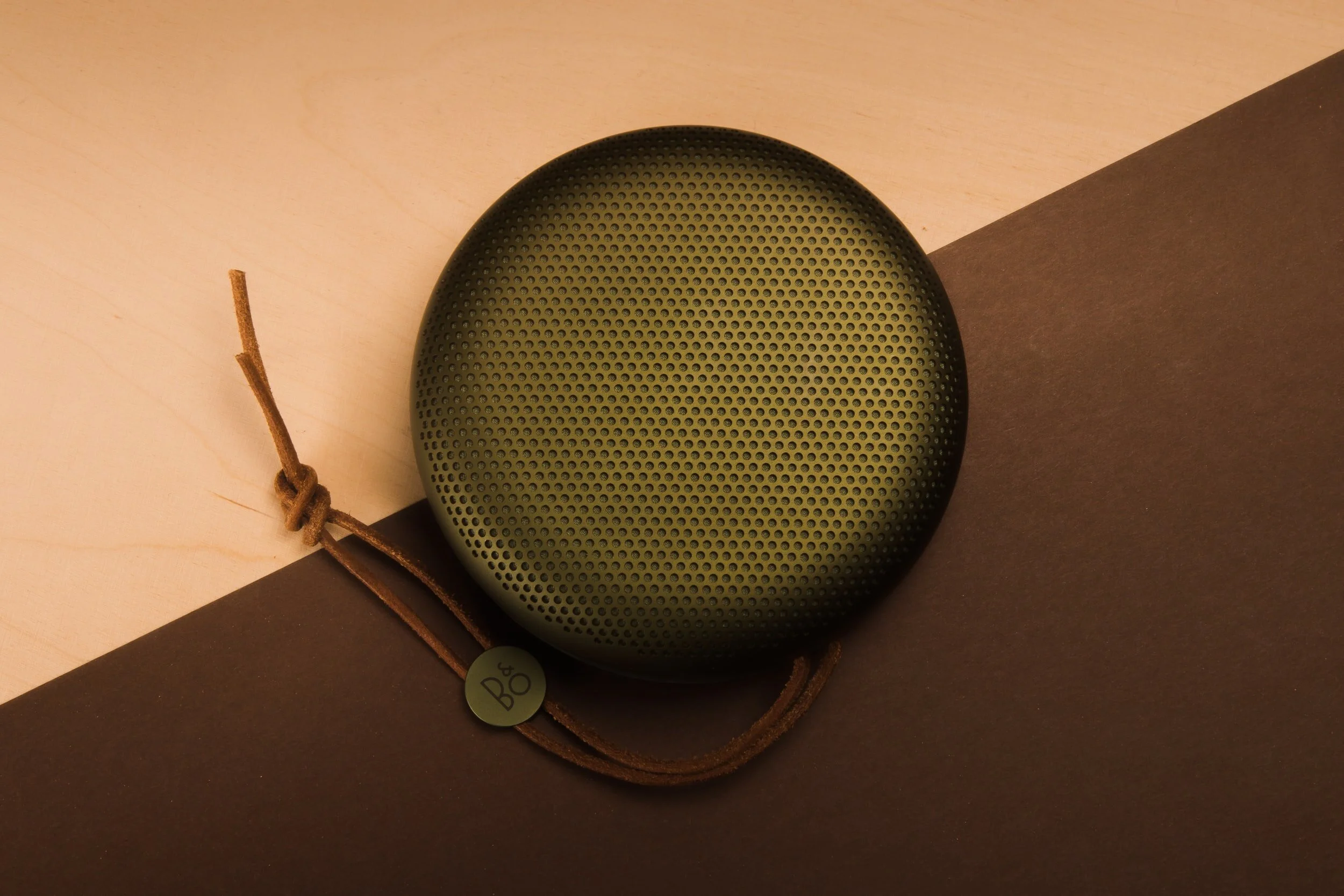
Repetition is not always connected to huge objects, actually, we can find it on lots of daily-used products, from furniture to electronic devices. With much smaller basic elements and higher densities, designers need to be extra careful with finetuning the details sometimes to an extremely subtle level.
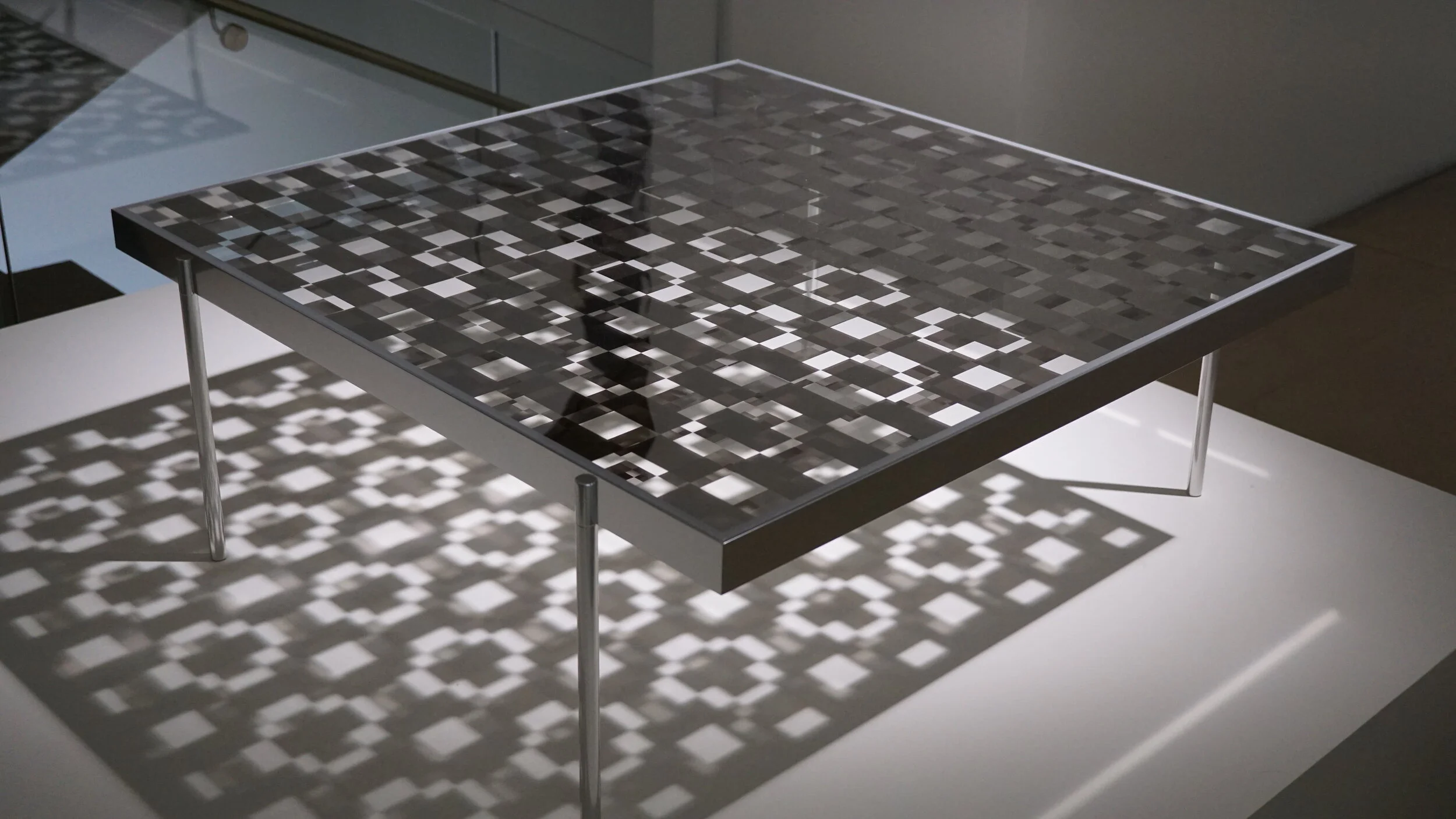
Like this table I saw on Salone del Mobile in Milan, with its two glass layers of repeating pattern, it dragged all the attention on the shadow beneath it, presenting an implicit and introverted beauty.
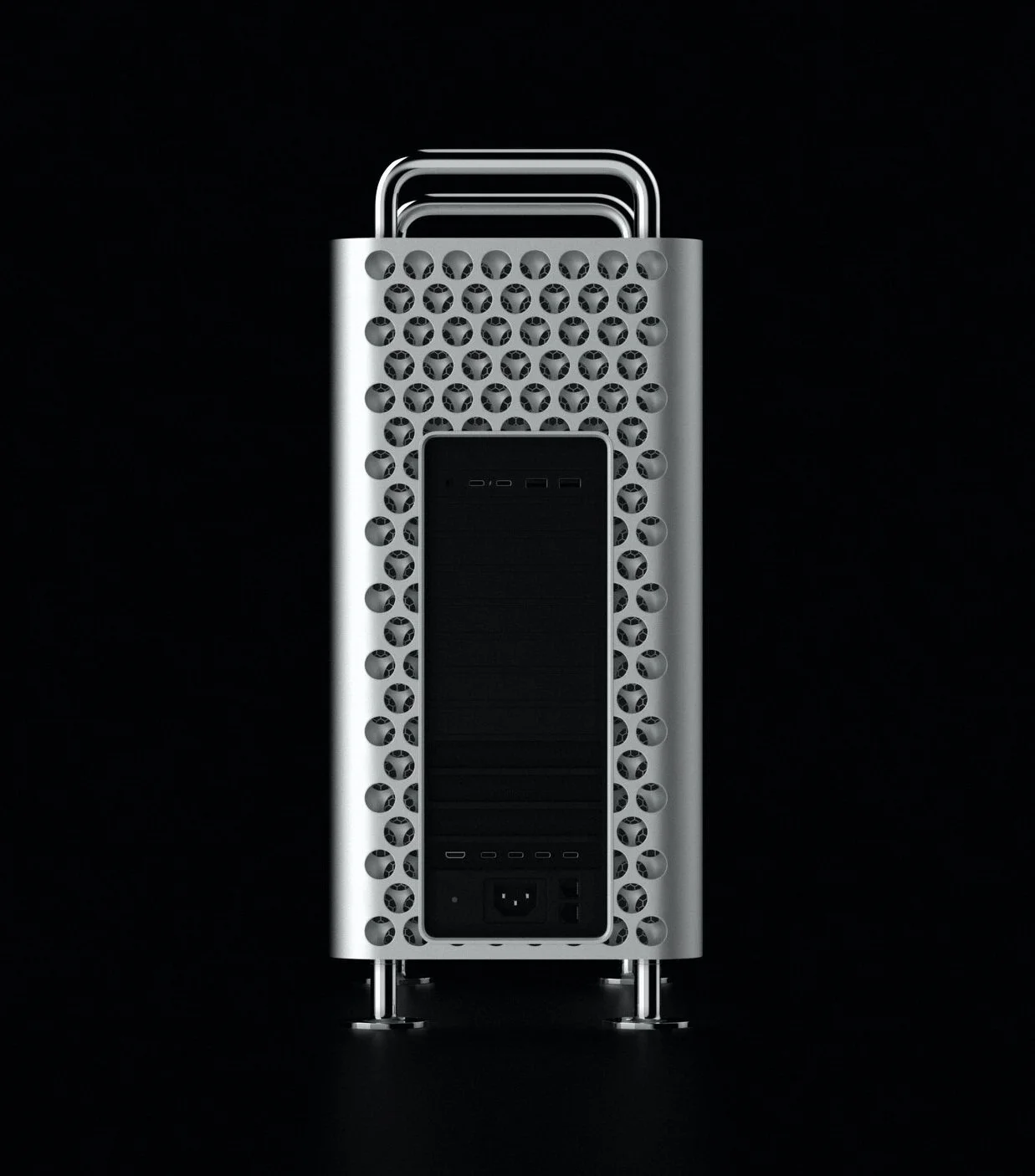
Repetition of elements can be functional on a product too. A very common use of it is to create cooling ribs, which is very necessary for a lot of electronic devices, from commercial usage to medical and laboratory devices. It is at the same time a very crucial visual character besides its function and is normally written very carefully in the brand guideline.