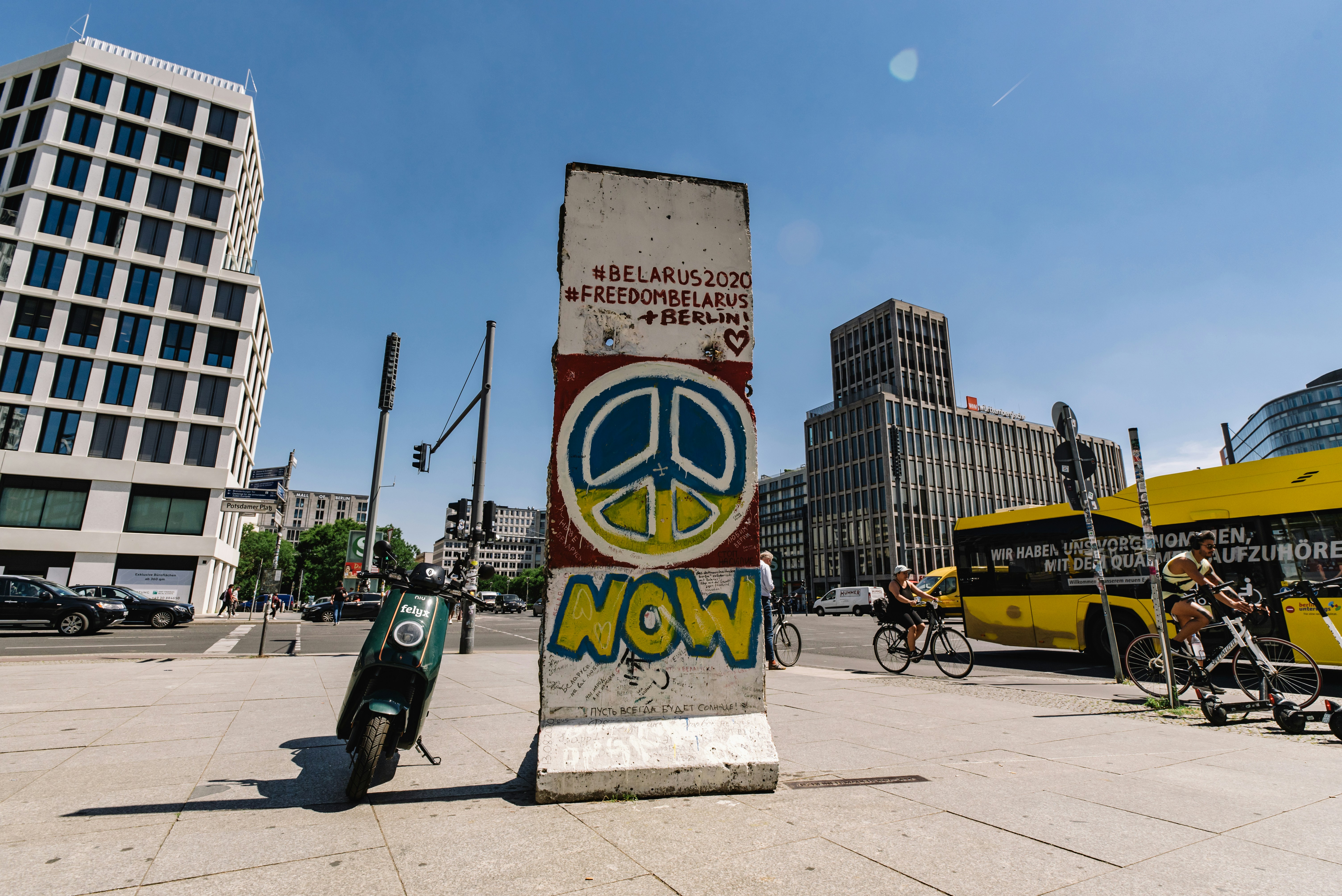
"freedom from war and violence, especially when people live and work together happily without disagreements." — Cambridge English Dictionary
The past weeks were not easy. A lot of mixed feelings pouring down on us. A war, or a "military operation" in some other narratives, occurred in Europe, which has never felt so near since WWII. Homes destroyed, young life withered, and people suffering on both sides.
Even with the overwhelming news bombs from both Chinese and German media I read, which tell wholly different stories, I am still given inadequate information to judge for myself what is true and false. I certainly do not want to point the finger at or stand with any side, which would be so ignorant with my insufficient knowledge of politics, to give opinions to cover this overcomplicated situation that has been fermented for years and decades.
The only thing we all failed and is also what I want to talk about is to maintain the peace, yet again.
Peace is a very abstract thing if we think about it. It is a fragile concept that we share as human beings to cooperate for common interests, despite our disagreements and contradictions. Also because of its vulnerability, it shows how civilized we are and how different we are from other creatures in the world.
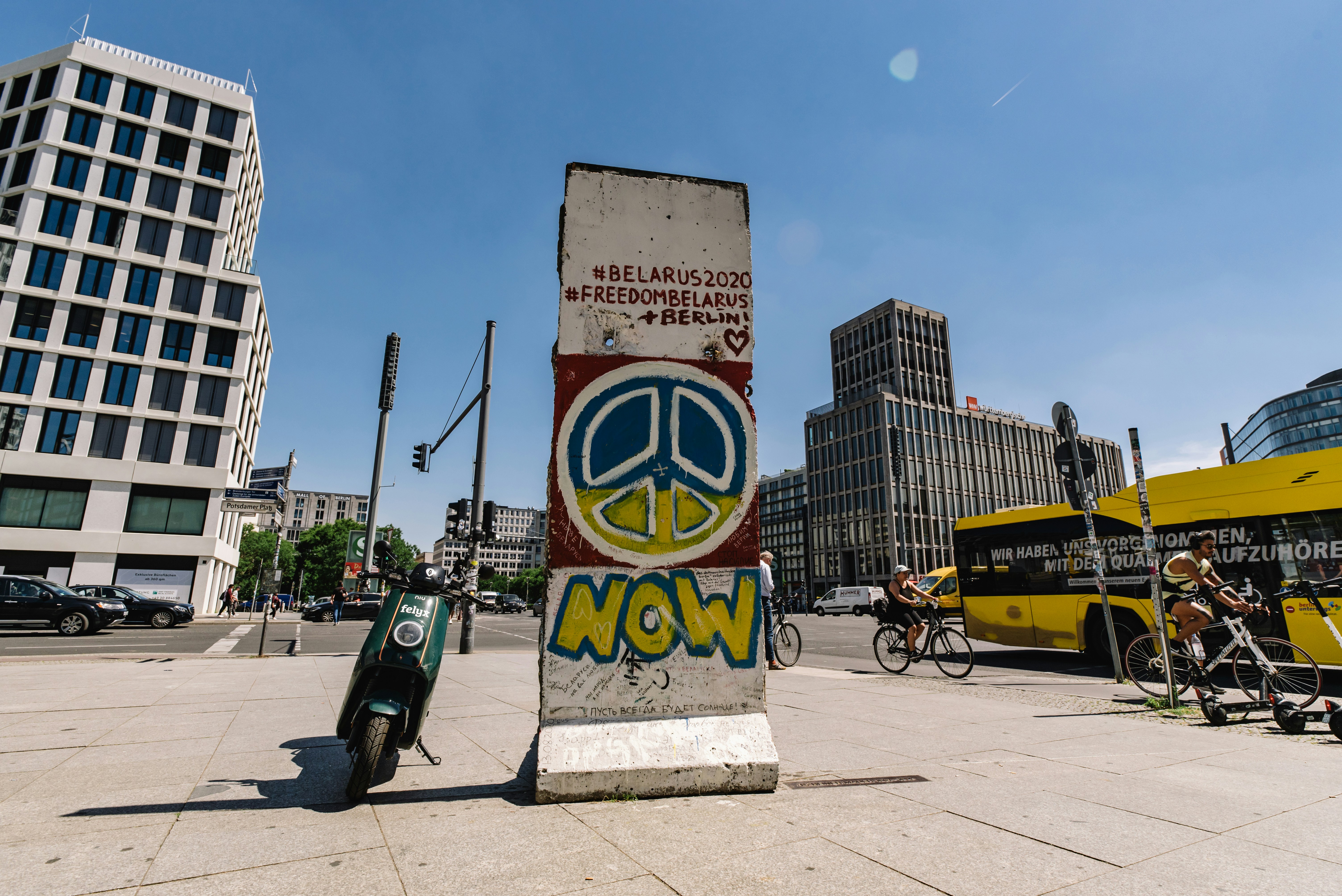
However, there was never a day on this earth without a war, which is on contrary a very figurative armed fight between two or more groups of people.
Millions of people around the world are going out on the street protesting for peace these days. We want peace so bad, but only when we all feel that we might actually be physically involved. We tolerated the war of "the others" for years, did not seem to care about the cracks on the mirror, until it shattered into countless pieces of the illusion of world peace.
So what can we do? What can I do?
Although I feel powerless as a civilian living abroad, working as a professional designer, and living as an amateur artist, I see nevertheless influential statements from the past and present.
I just hope this collection of artworks and designs could help us to reflect on the things that happened in the past, and seek the right path for the future.
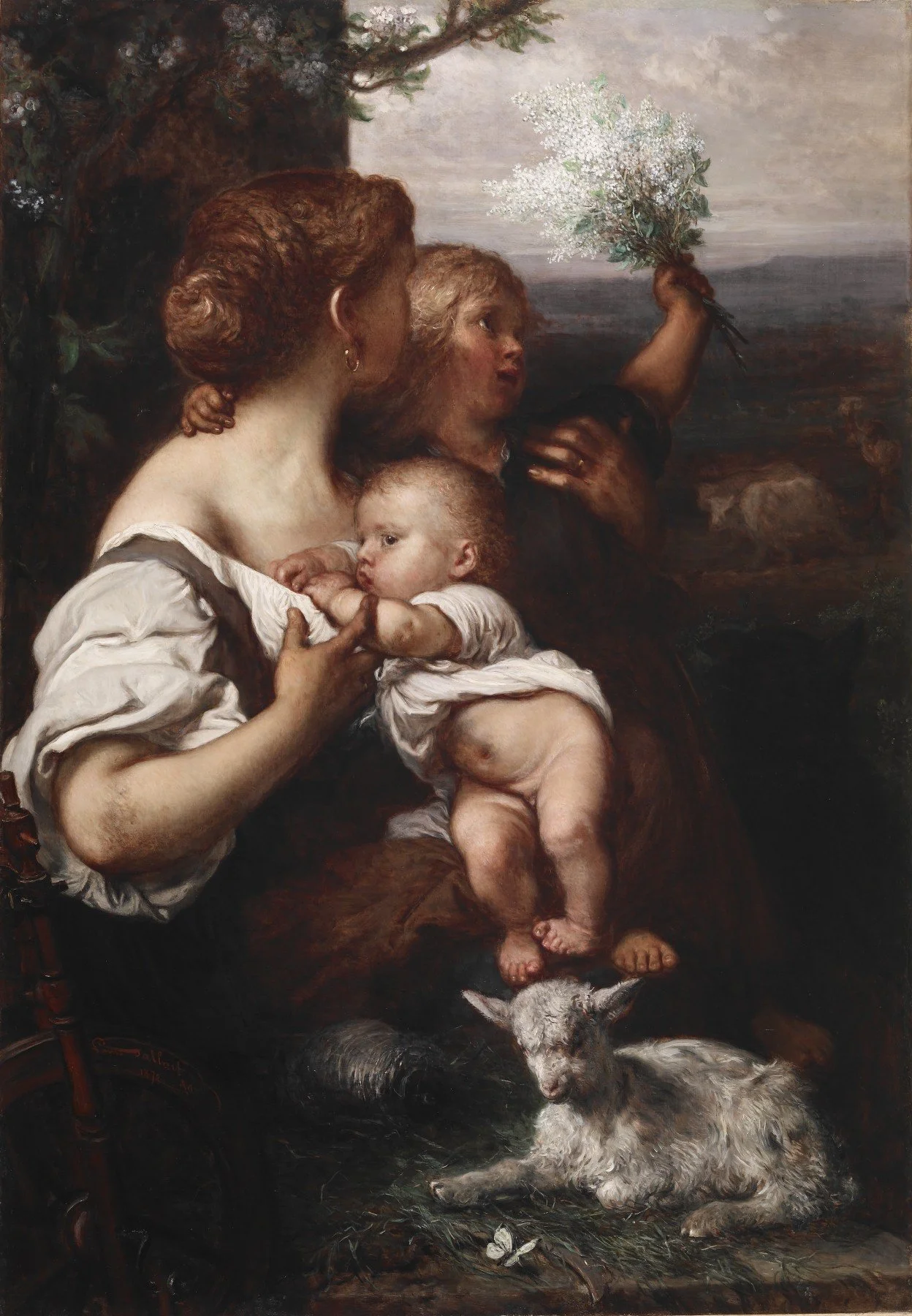
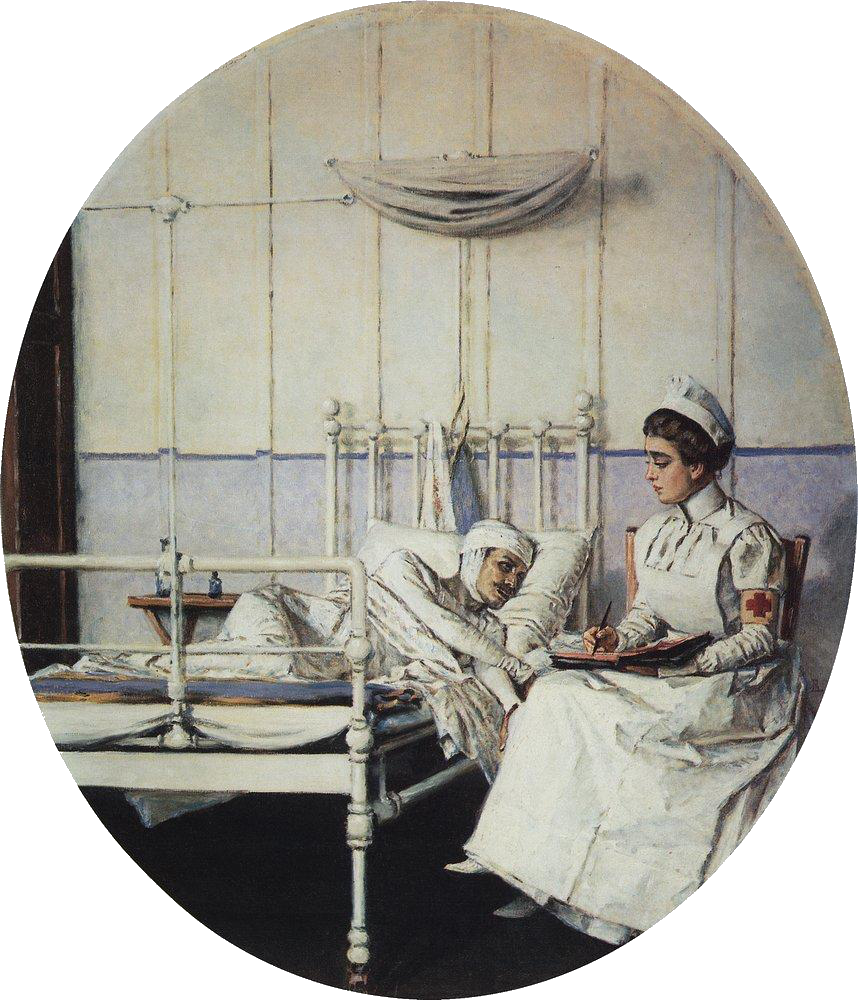
© Walters Art Museum
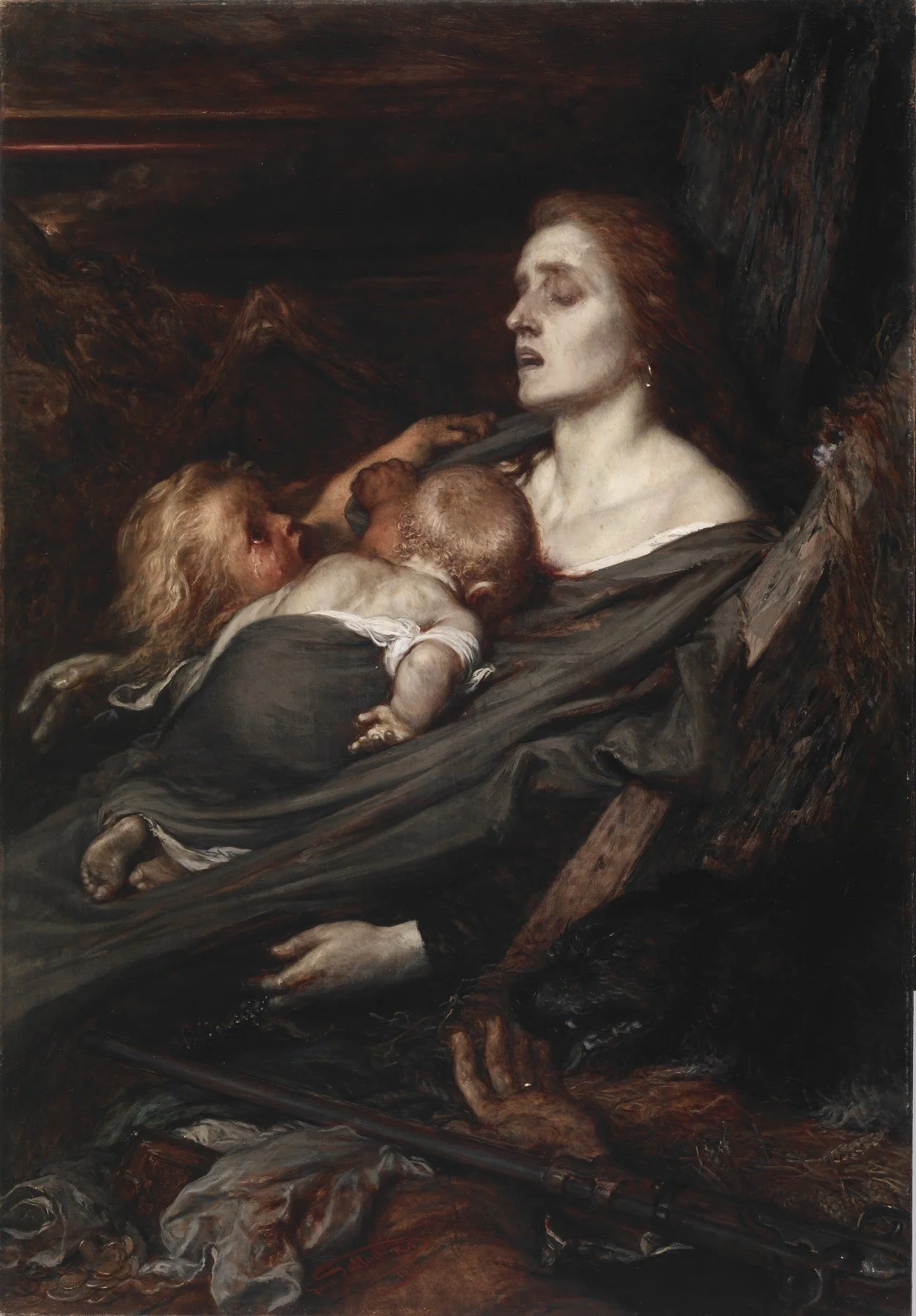
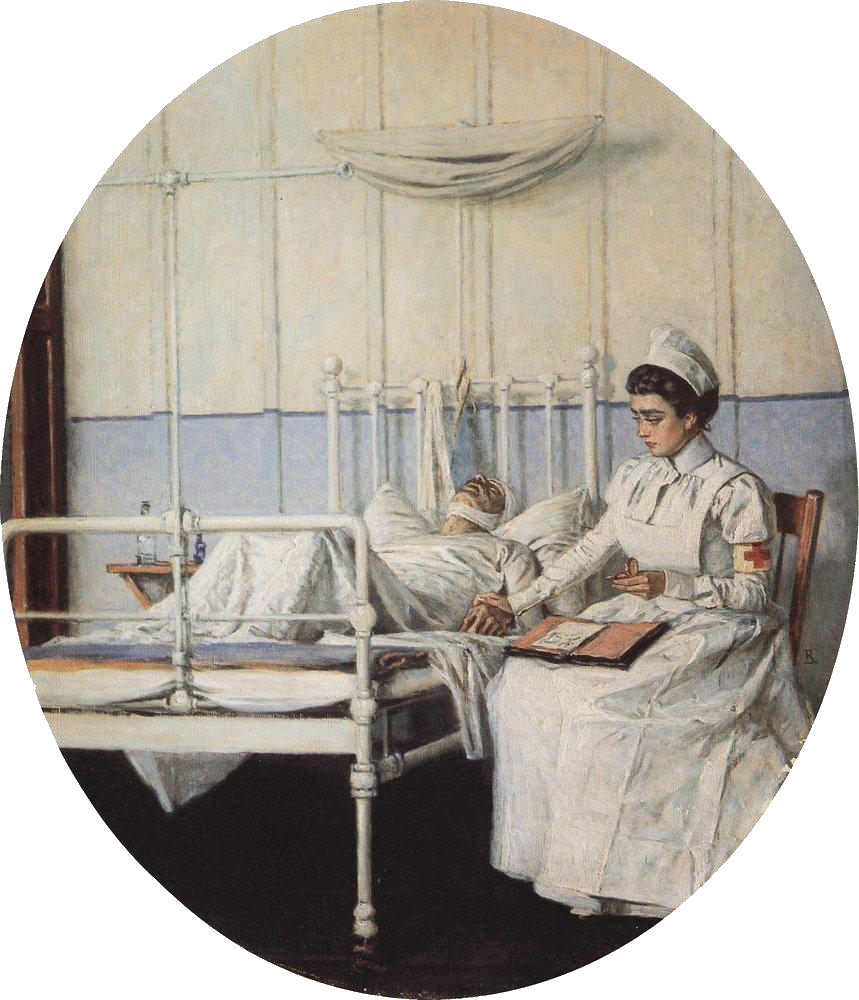
© Walters Art Museum
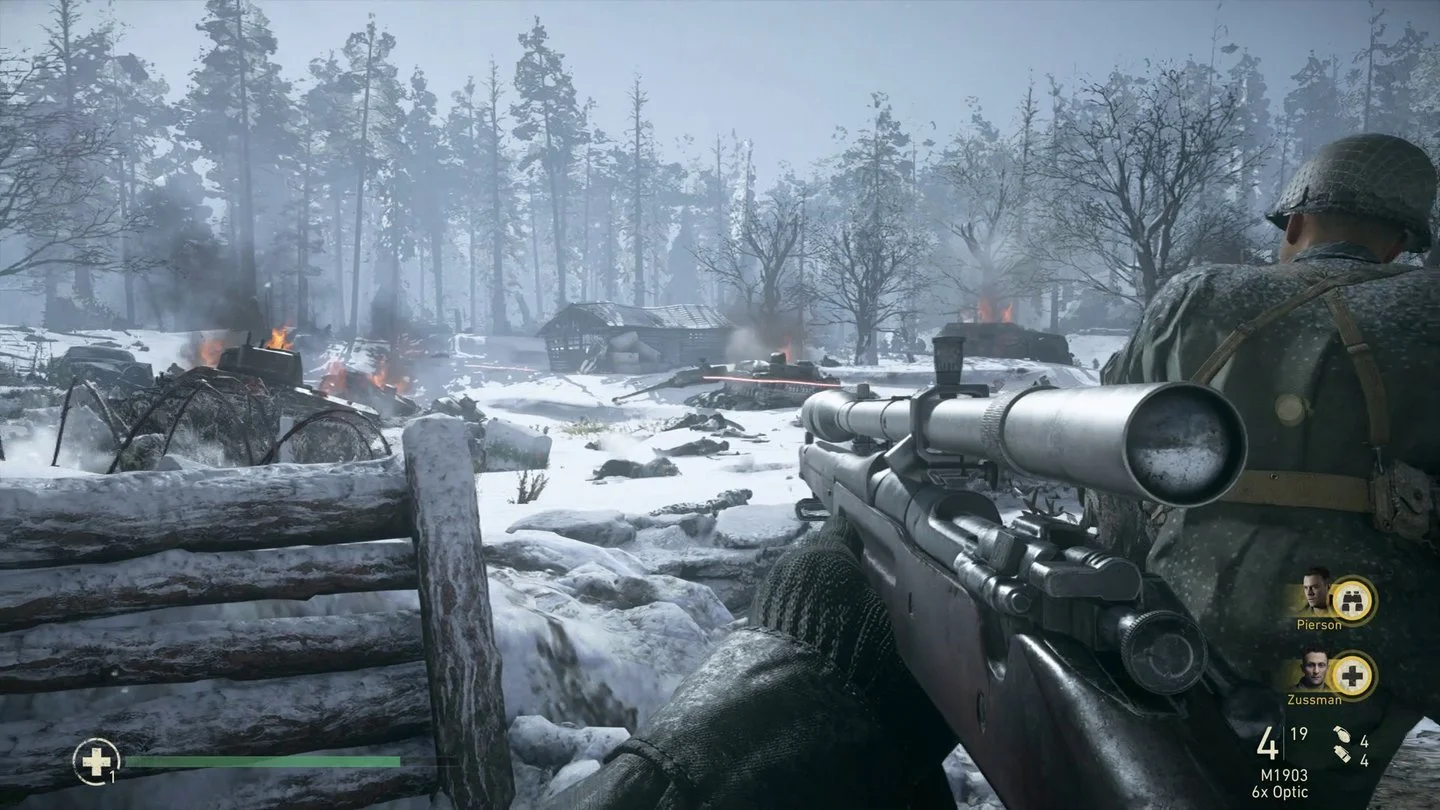
The gamification of a war.
How did those shooter and warfare games change our view on war and peace, especially the younger generation?
When life is presented in a life bar, and death means reborn on the last save point?
The young soldiers who died on the field might sit in front of their tables playing the same game as we did just a few years ago. When we see their death on the news, do we see the death of a real person, or do we see the death of our teammate named "dsc_001"?
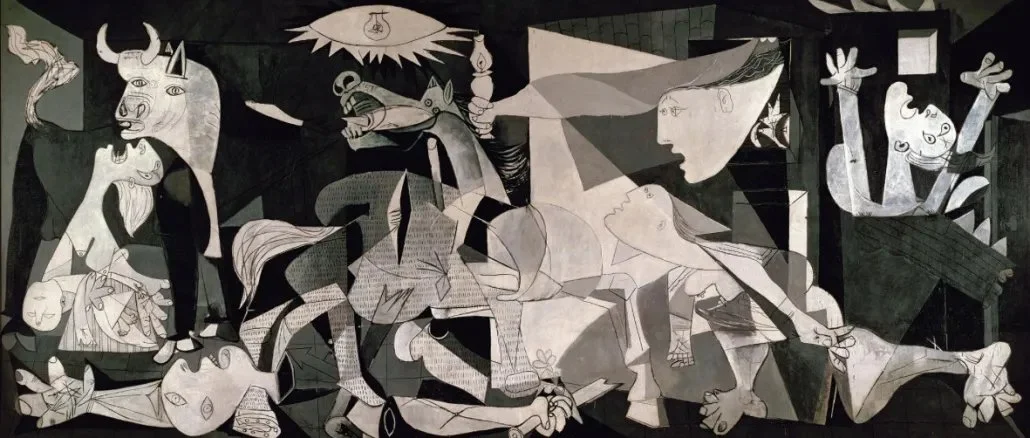
This one of his best-known works is regarded by many art critics as the most moving and powerful anti-war painting in history. The composition of suffering creatures, broken and in pain, showed the world what had happened in the little country town of Guernica in northern Spain under one of the first carpet bombings in human history. Beyond the gratitude for its artistic value and influence, I hope we still see the reality sense behind this painting.
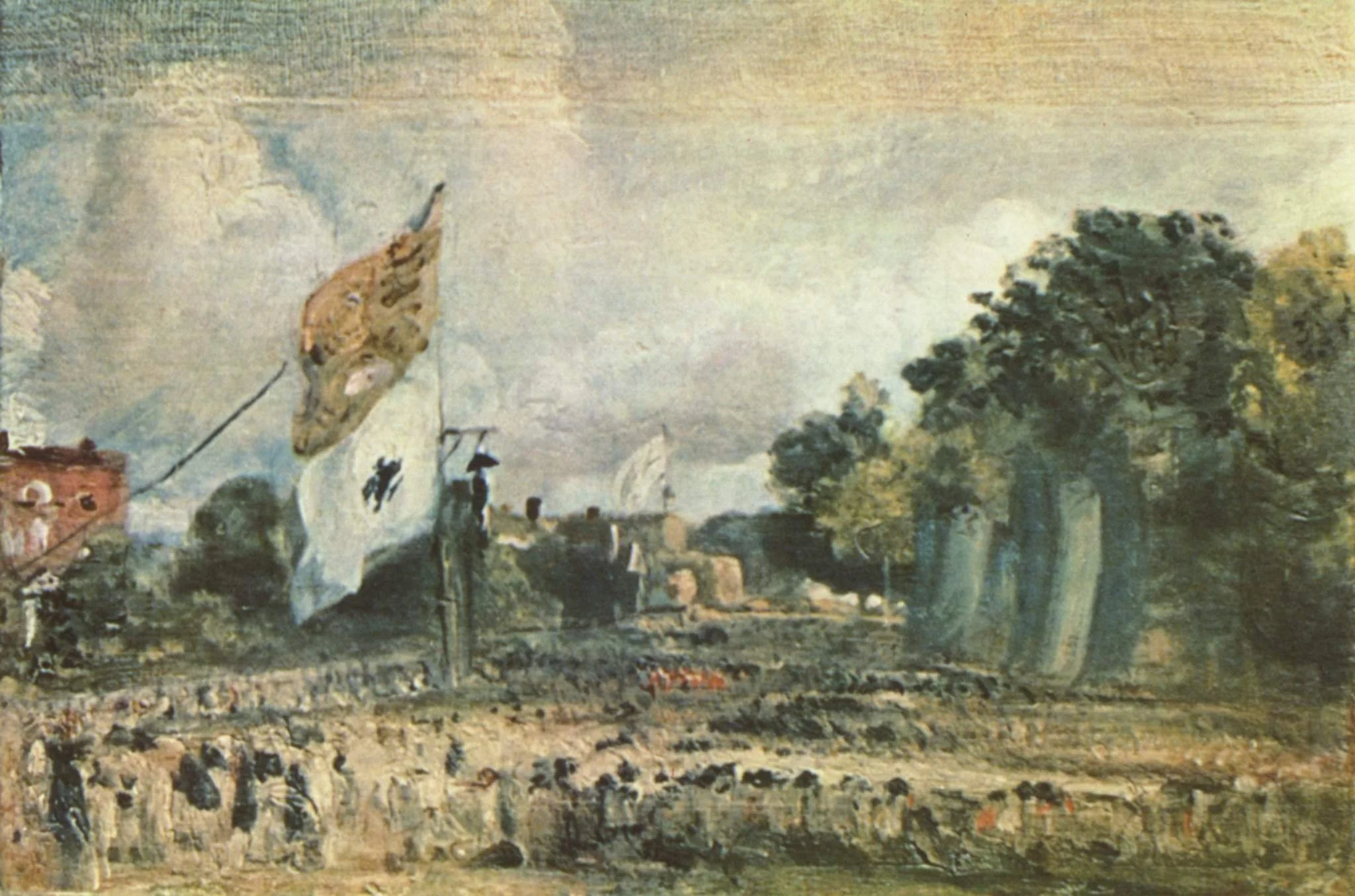
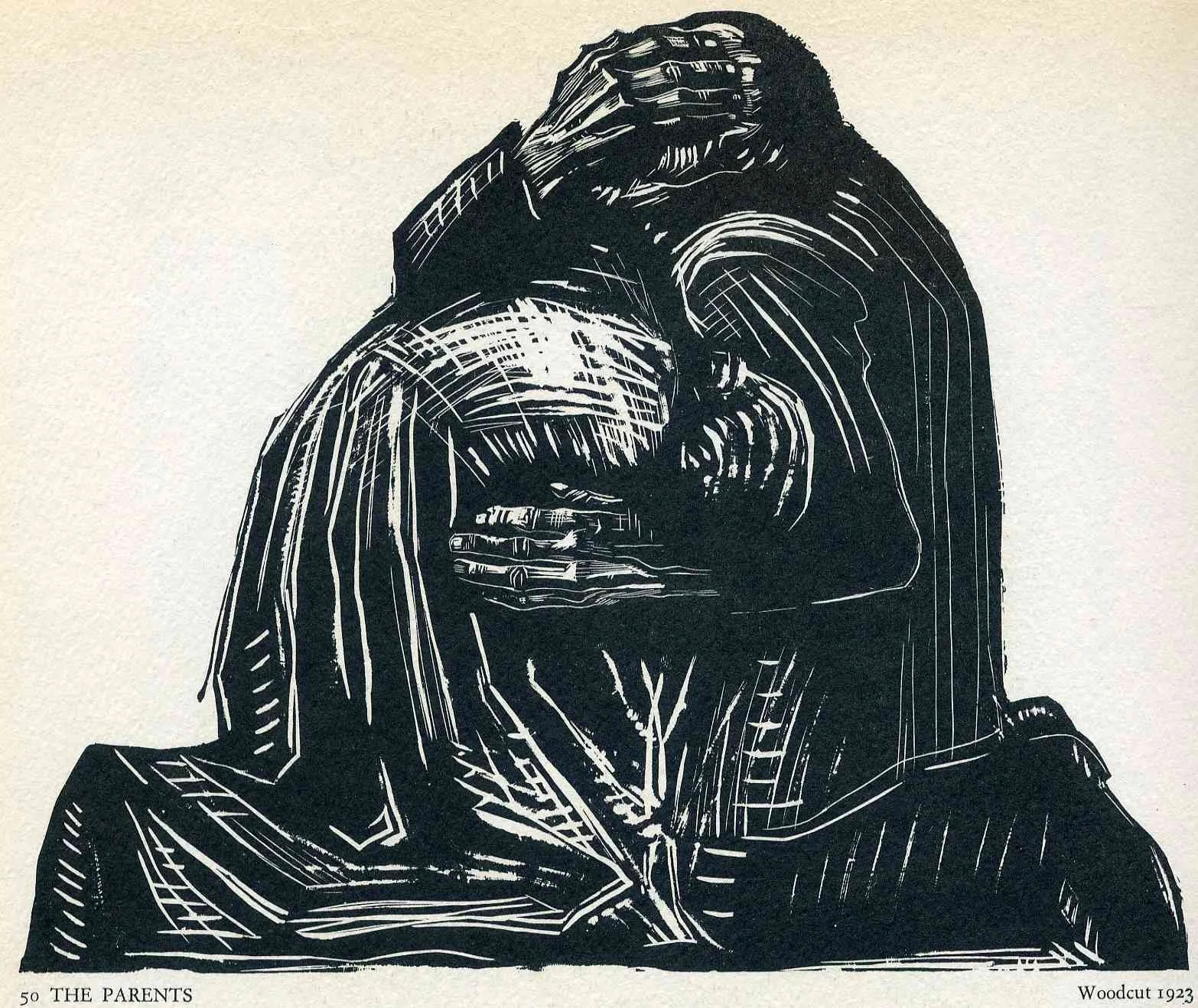
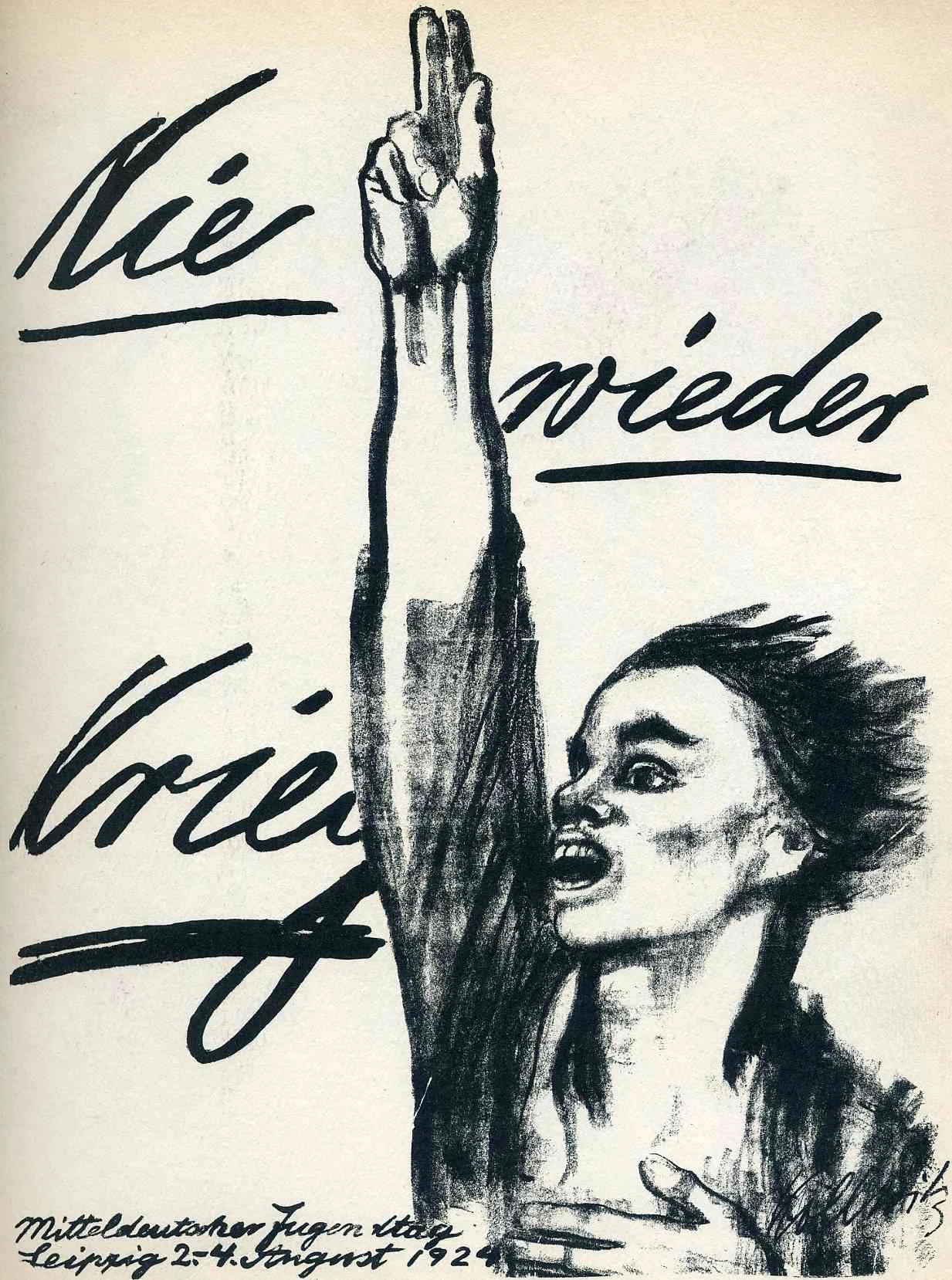
Just a month after the war broke out, people seem already switched their focus to other things — just like the way it was in the past 20 years. I know a lot is happening simultaneously in our world: my hometown is in the hardest lockdown thanks covid, while the whole western world is opening up under the still-high infection quote; energy price and inflation reached their new height with the refugees flock to other countries... But also: fashion weeks took place in Paris and Milan, Kim divorced Ye, and Will Smith slapped Chris Rock on the Oscars.
We are forgetful generation, nothing would keep trending for that long on Twitter. We are selfish folks, only the things would actually affect our life can draw us into the street. We are entertainment-seeking species, getting lost and addicted following the news of people we do not even know in person. I am not here to say I am different or any better than anyone. I just hope for awareness and acknowledgement.
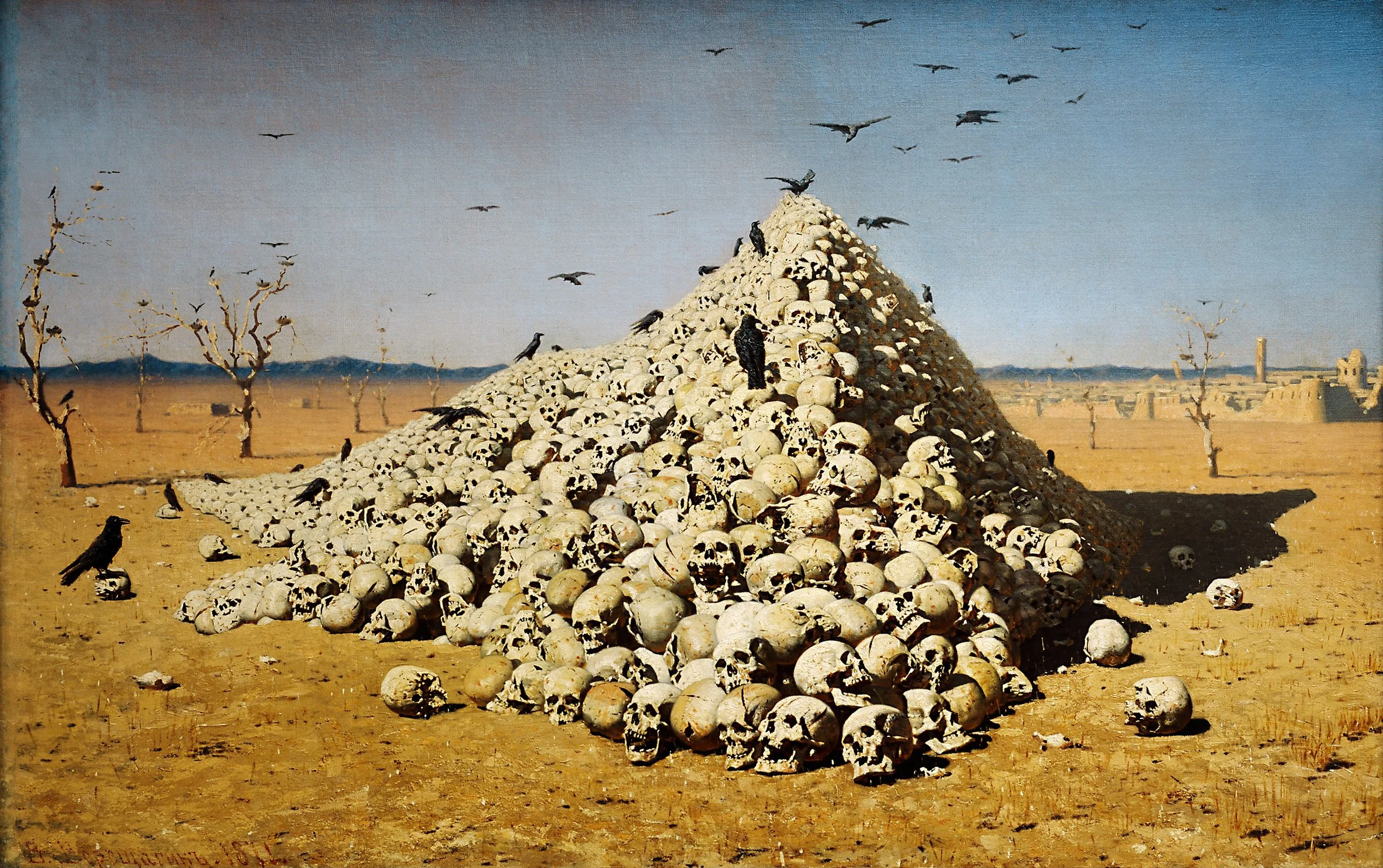
One of the most famous Russian war artists and one of the first internationally wide recognized Russian artists. Painted during his residency in Munich, this work belongs to his famous Turkestan Series. On the work's frame, he inscribed that he dedicated the painting "to all great conquerors, past, present and to come".
This painting is now displayed in the Tretyakov Gallery in Moscow. The artist himself died during the Russo-Japanese War traveling with the Russian battle ship Petropavlovsk after striking one or more mines near Port Arthur, in northeast China.
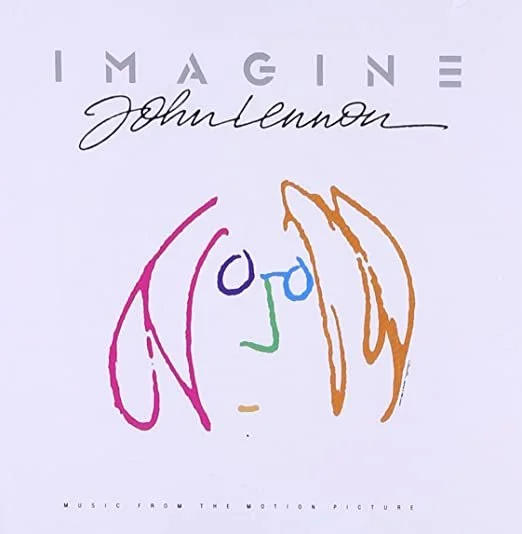
Maybe the most famous song about world peace was played a lot on air shortly after the break out of the war. Also played at the opening ceremony of the 2022 Winter Olympics in Beijing, which Putin attended to show his support. The day after the closing ceremony, the Russian army started its attack.
Imagine there's no heaven
It's easy if you try
No hell below us
Above us, only sky
Imagine all the people
Livin' for today
Imagine there's no countries
It isn't hard to do
Nothing to kill or die for
And no religion, too
Imagine all the people
Livin' life in peace
You may say I'm a dreamer
But I'm not the only one
I hope someday you'll join us
And the world will be as one
Imagine no possessions
I wonder if you can
No need for greed or hunger
A brotherhood of man
Imagine all the people
Sharing all the world
You may say I'm a dreamer
But I'm not the only one
I hope someday you'll join us
And the world will live as one
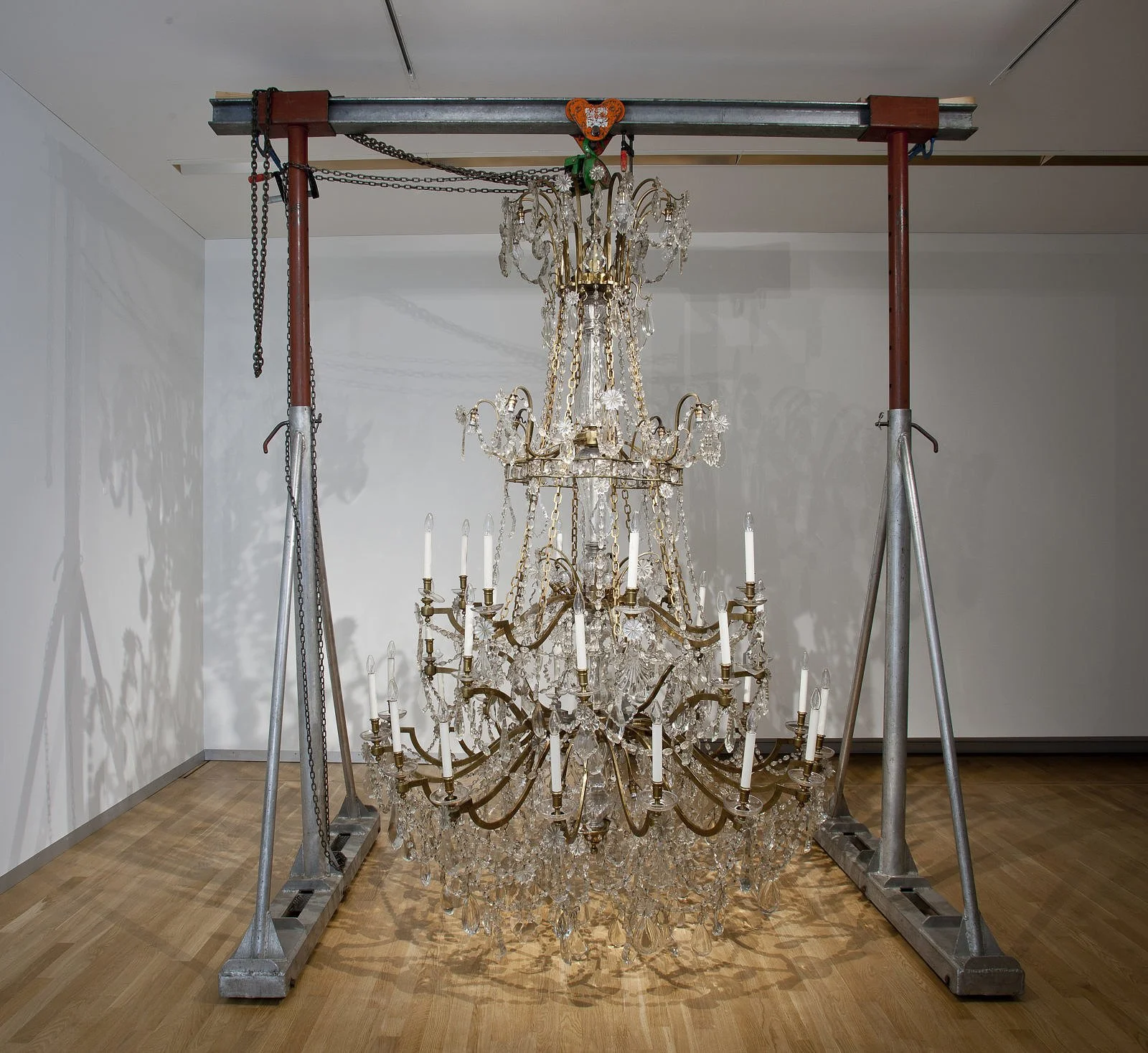
SMK – Statens Museum for Kunst. Copenhagen, Denmark.
© SMK Foto/Jakob Skou-Hansen
With the Vietnam War changed the artist's life, his works are loaded with references to international politics, historical events, and his own life. This chandelier originally hung over a large conference table on the main hall of the Hotel Majestic in Paris, where Vietnam and the US signed the peace treaty in 1973, which witnessed the end of a war that affected the entire world, and which also had a tremendous impact on Danh Vo's own life. This straight-forward, completely unique, and powerful piece shows how a war criss-cross with personal, individual lives.
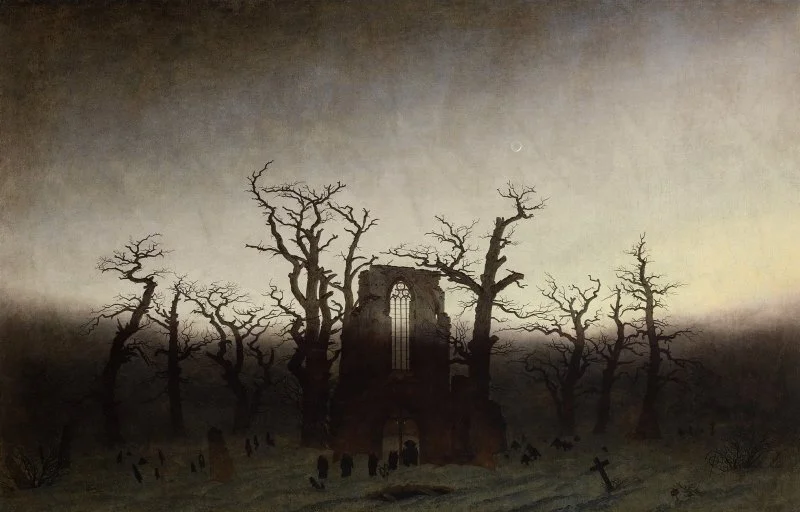
© Nationalgalerie, Staatliche Museen zu Berlin, Andres Kilger.
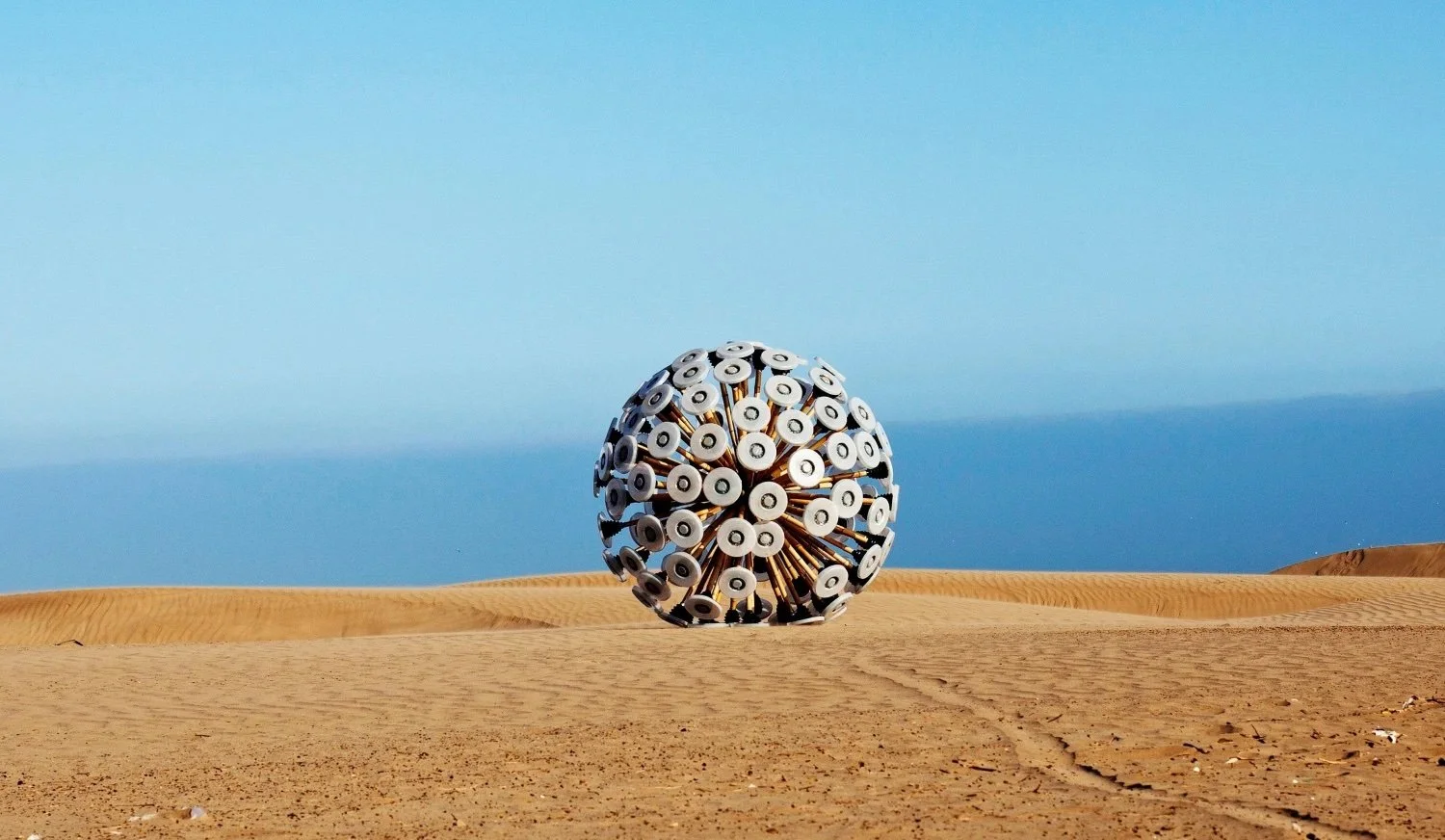
The Mine Kafon Drone System is designed by Dutch-Afghan brothers Massoud and Mahmud Hassani, to clear the over 100 million landmines lurking below the ground all over the world, which result in 15,000 to 20,000 deaths every year. This wind-powered system could roam the landmine infested fields and detonate the mines, making the clean-up faster, more effective, and safer.
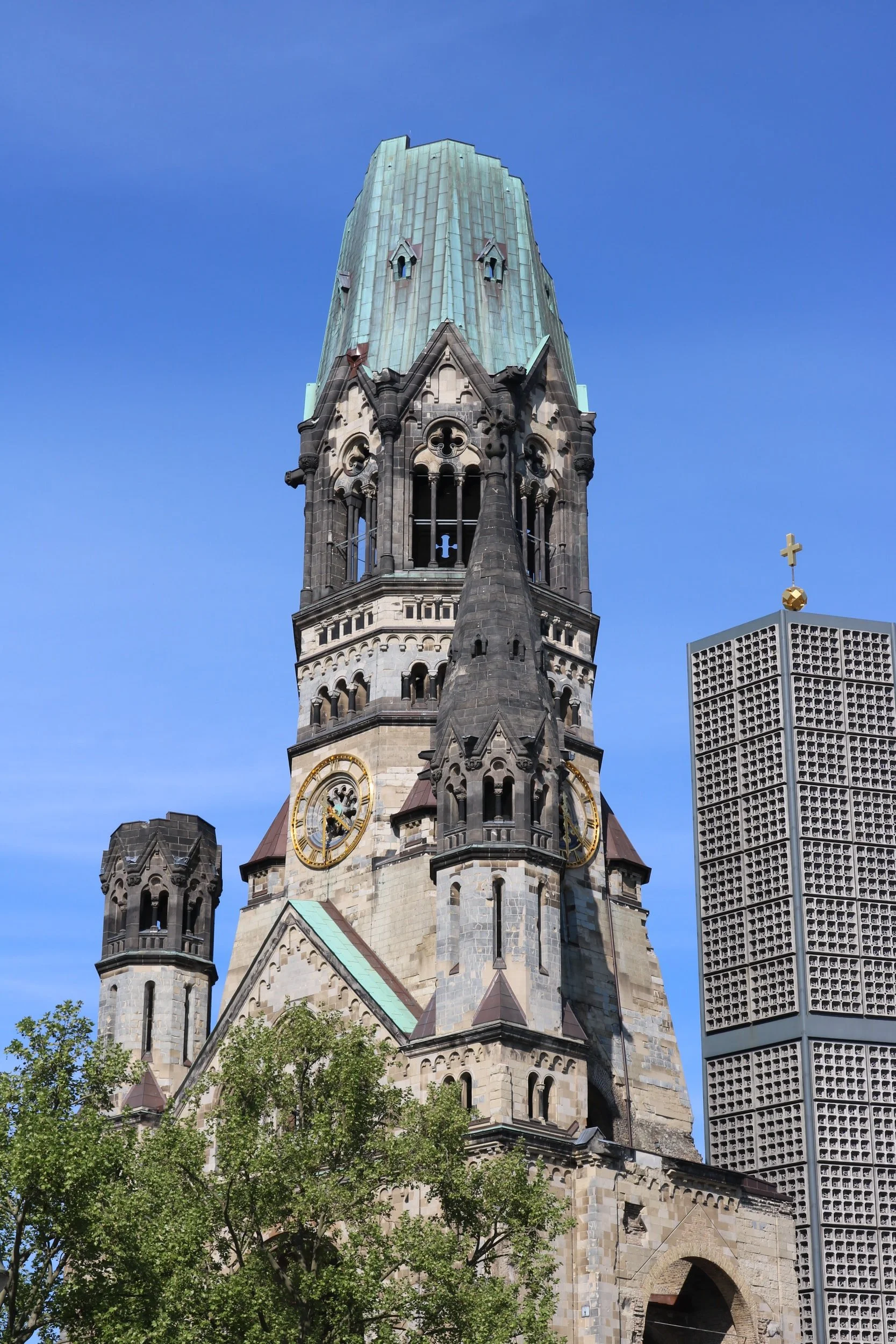
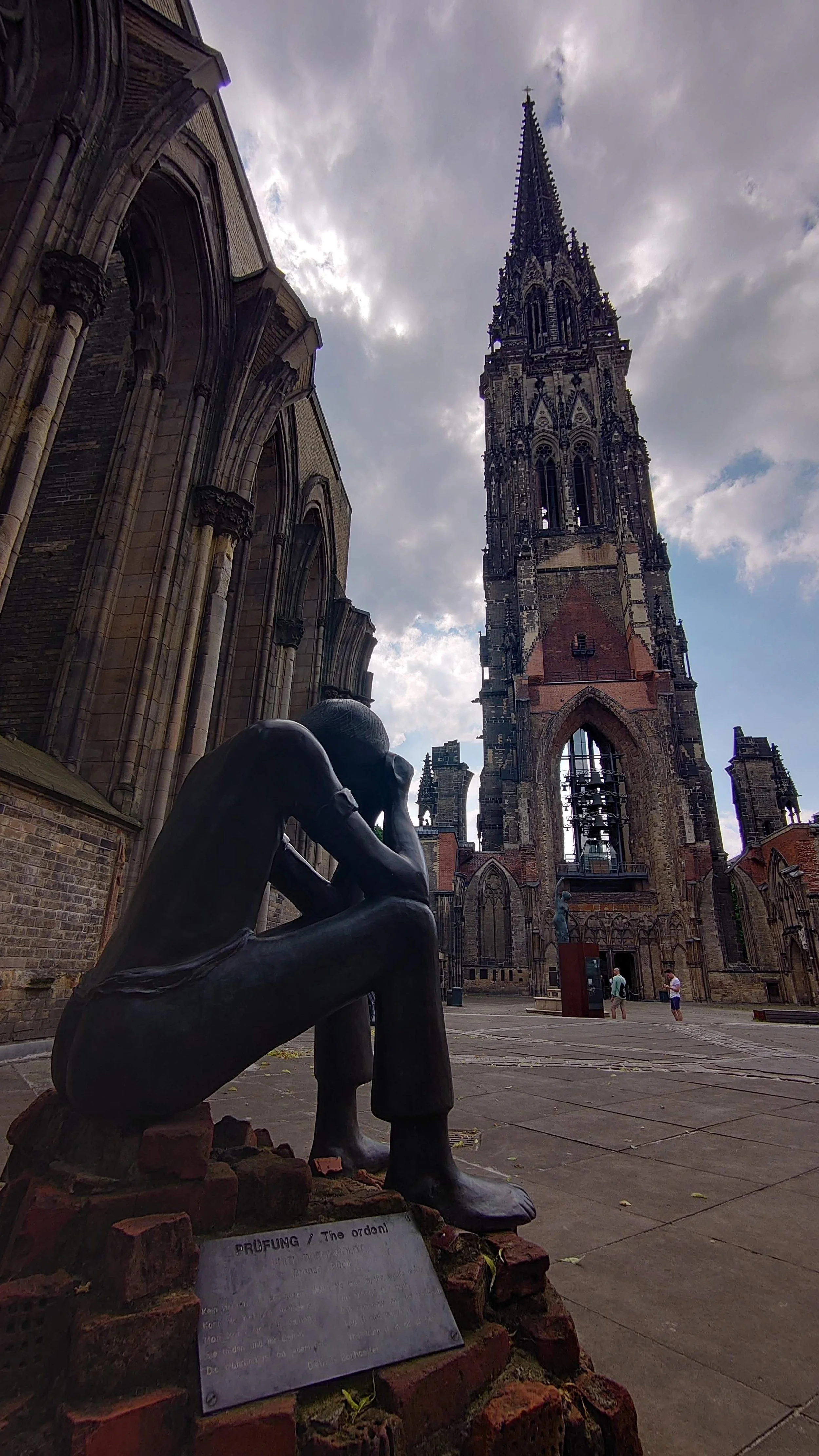
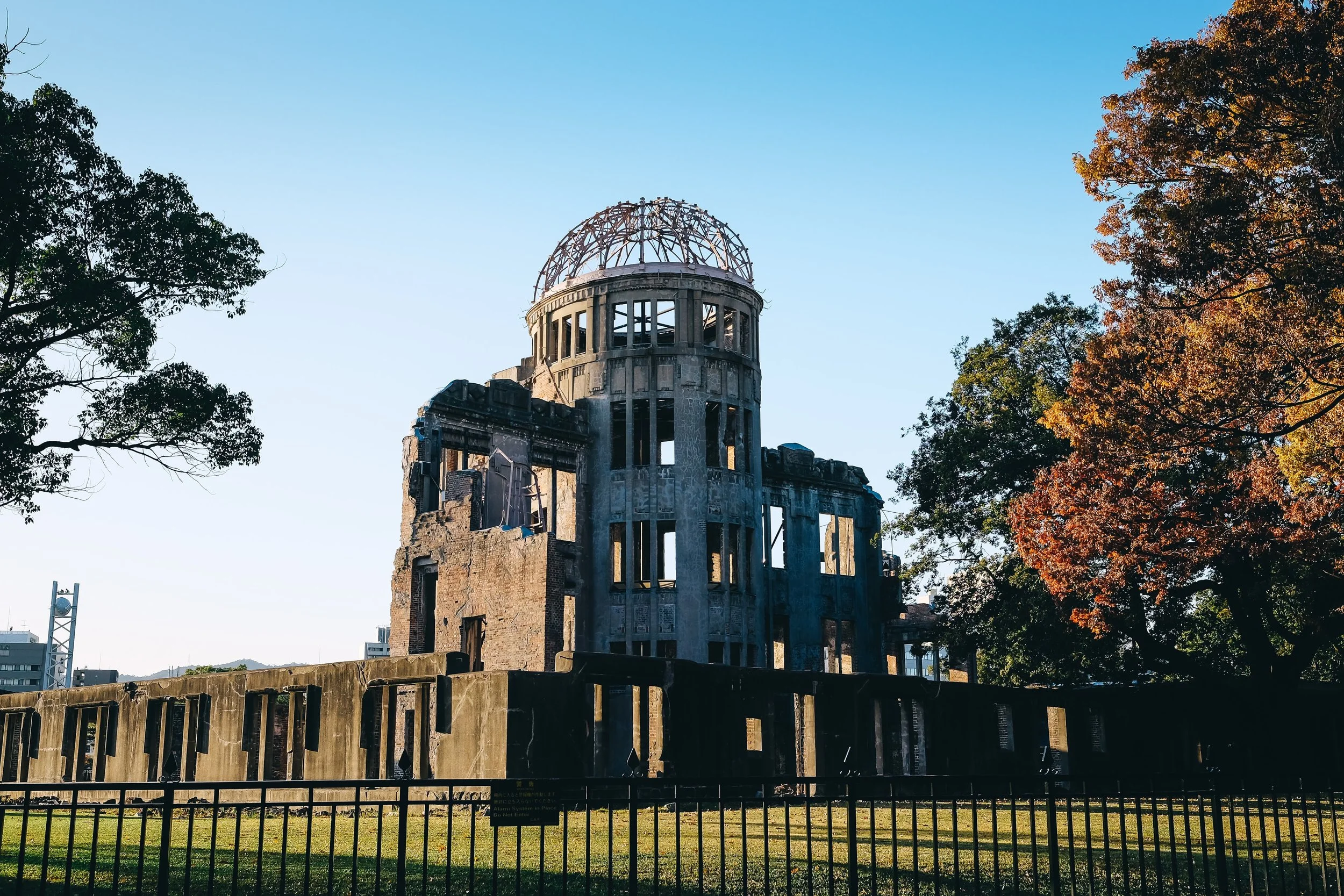
One of the most genius ways to remind people of the war is to keep the ruins as they are without restoration. They are the magnificent signs of confidence and bravery that the urban designers decide to show the scars instead of simply tearing them down or hiding the traces behind new constructions. I have always been very touched by the fact that a mutilated building stands in the center of a city with all its dark burning marks. Comparing what we see with the original plans and old photographs is the most relatable way to learn what happened there and reflect on what is happening now in this world.
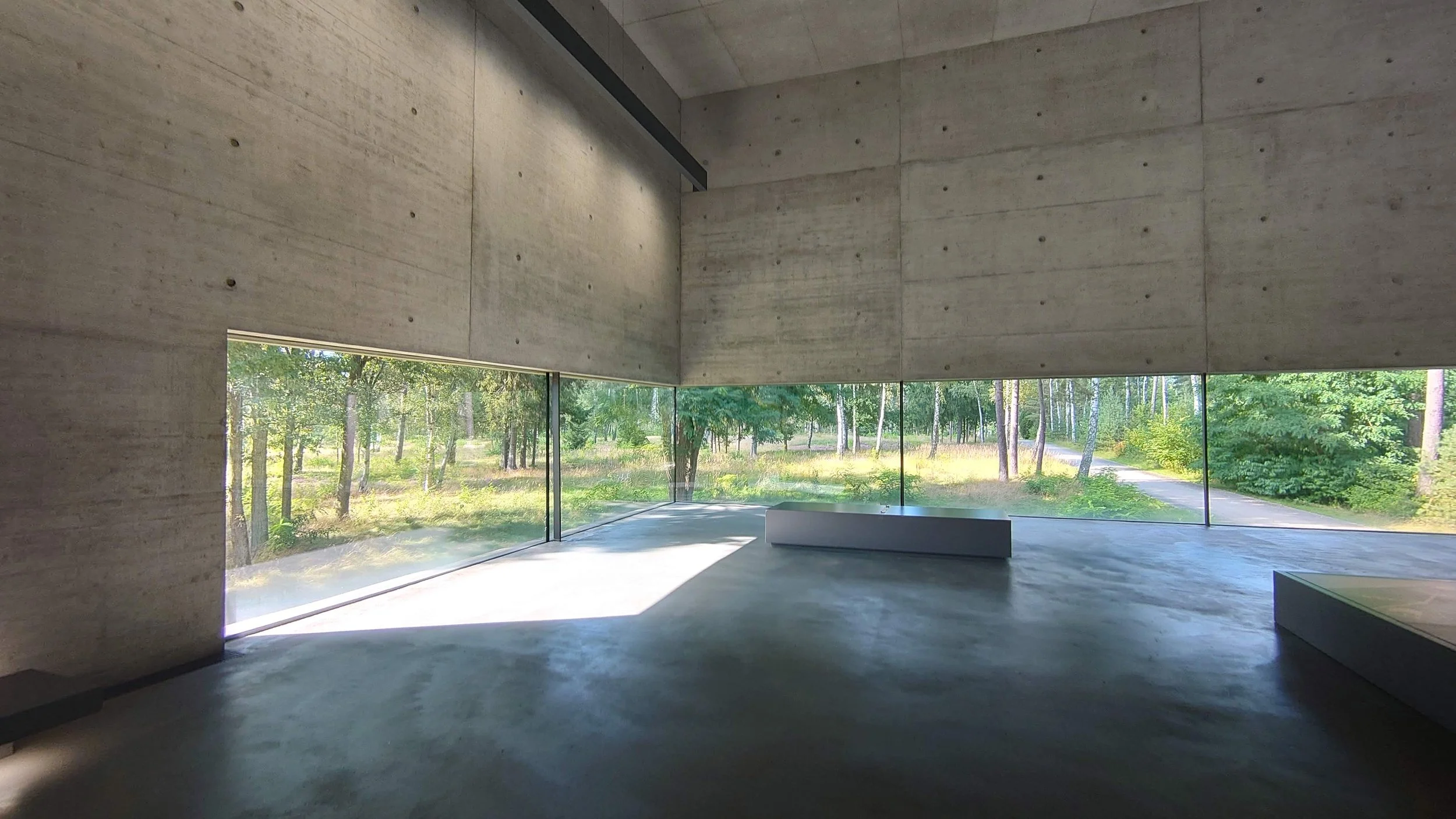
Anne Frank, who wrote the most famous diary during the WWII was brought here to spend her last days. In the woodland that can be seen through the windows from the memorial building was the concentration camp.
Also, countless museums and memorials all around the world designed by the best architects help us to remember the cruelty of wars and keep the light of humanity with dignity and solemnity. Large, clean, and neat design is widely used to present realistic, shocking, and serious materials from real events. The architecture itself often fades into the background, not taking the center of the stage but creating a space where visitors can calm down and dive into their thoughts.
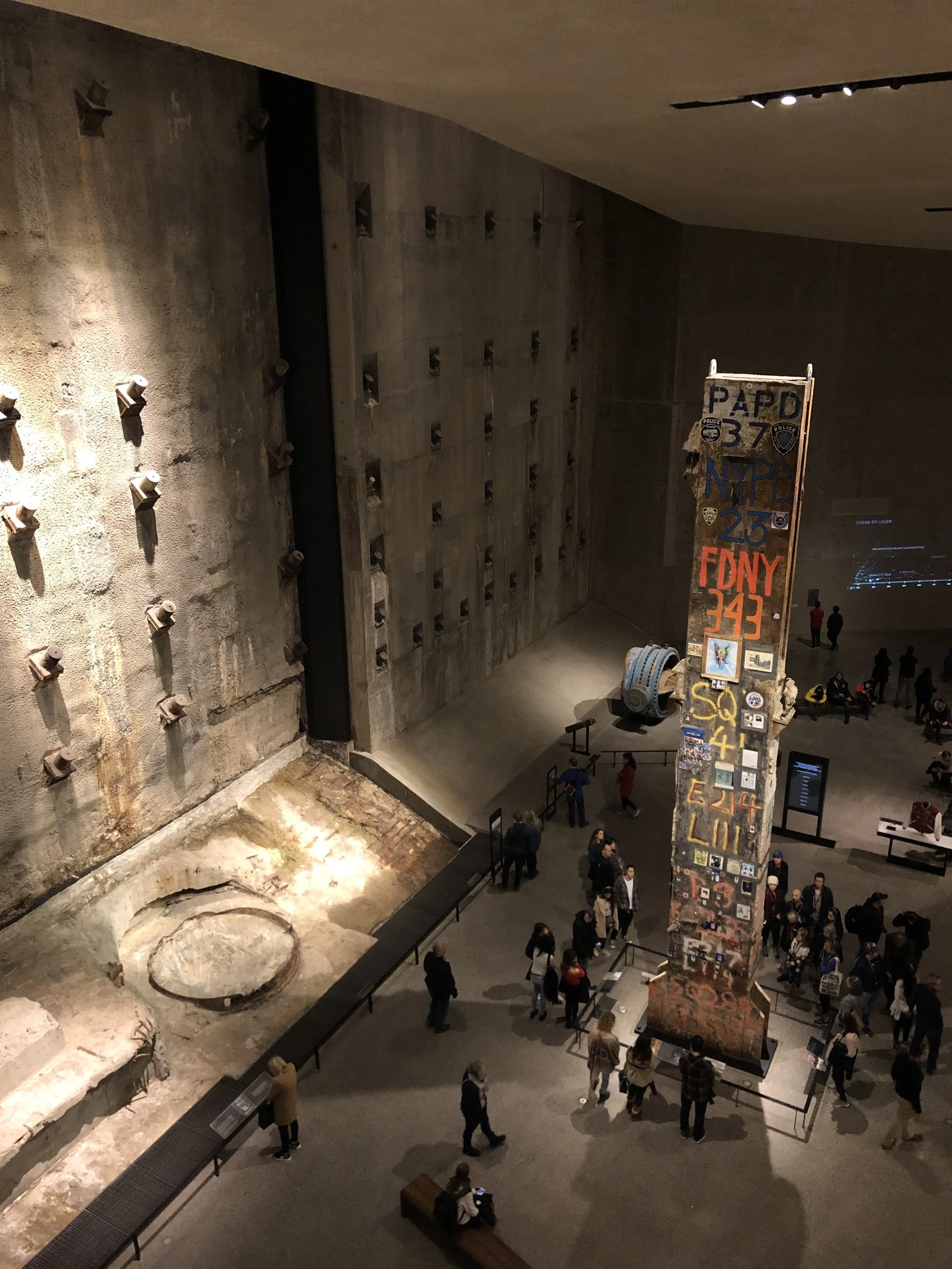
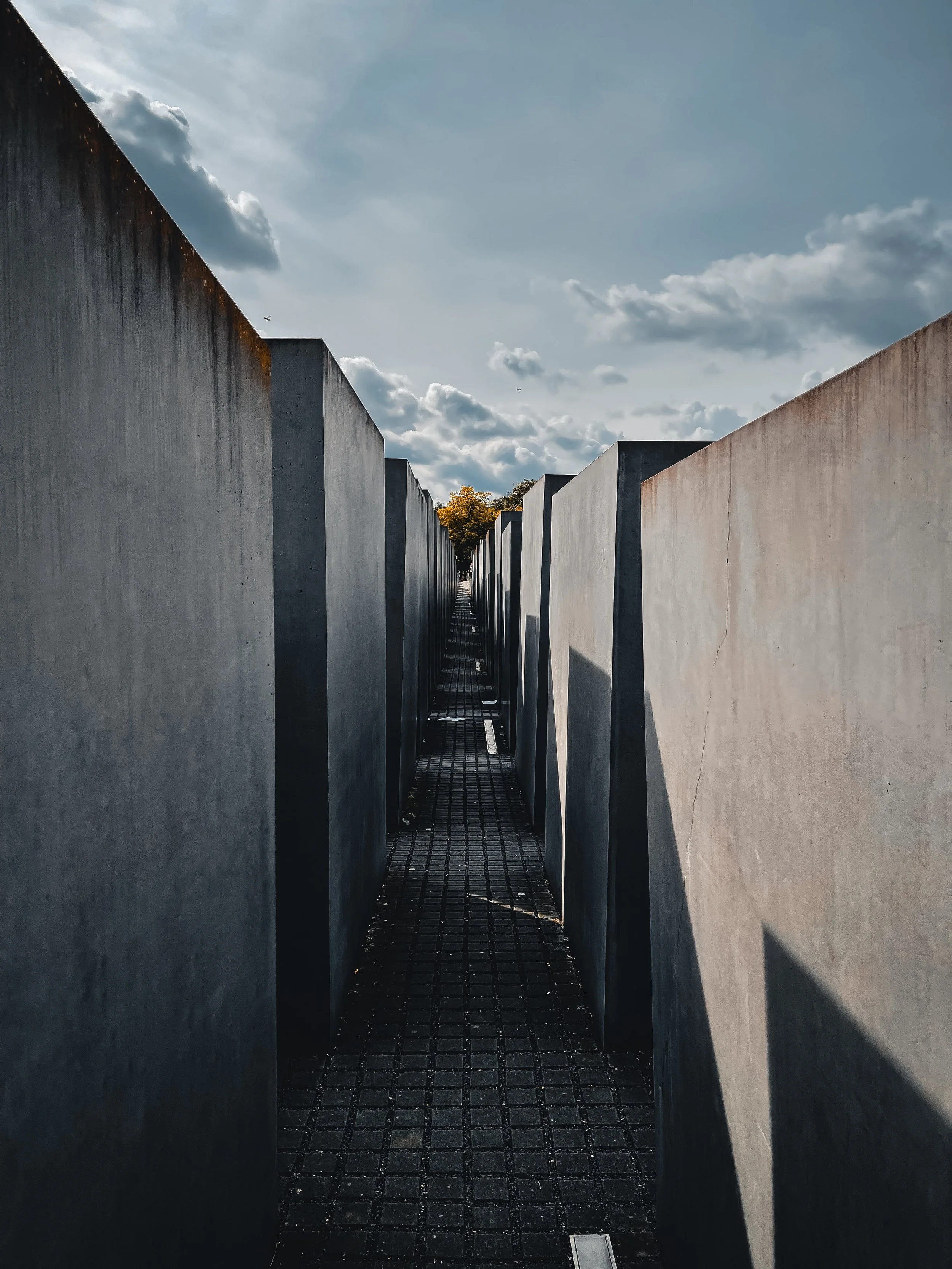
Artists and designers are very sensitive people. We are often enthusiastic and have loads of empathy for the events happening regardless around us or on the other side of the earth. We are privileged with the tools and skills we have to express ourselves without actually speaking but in a way that all the human beings who can access our works would understand. More and more often, our works are being more powerful even than the announcement from the government and the statements on the news, especially when they are from a famous and respected person. Not only that, with all the new technologies, spreading artworks and designs is easier than ever before.
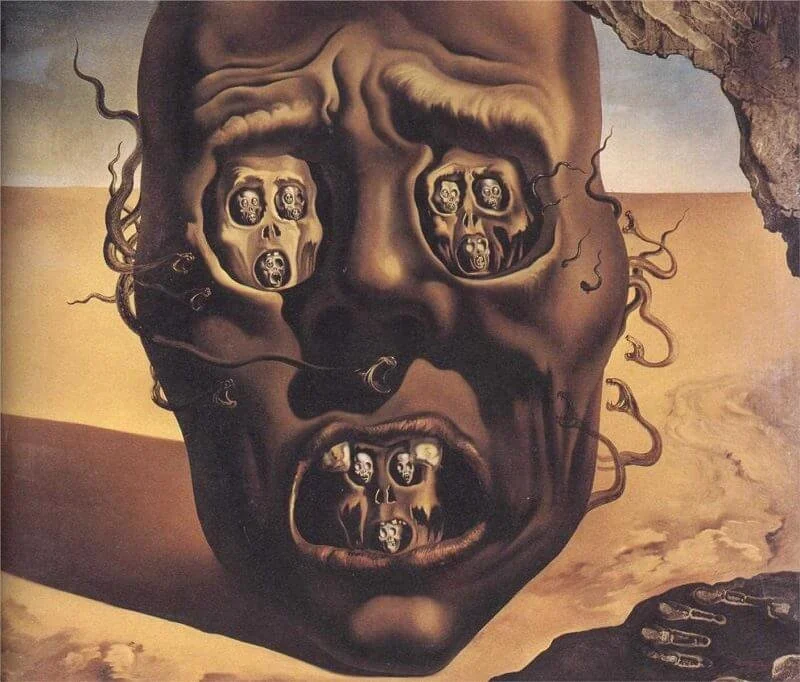
Museum Boijmans Van Beuningen, Rotterdam.
Painted between the end of the Spanish Civil War and the beginning of the Second World War, this is one of his many works that are inspired by the trauma and the view of war.
On the one hand, it is precisely what we should celebrate. It is a part of the crucial weight on the civil side of the balance against all the dominating information we getting passively. On the other hand, the messages from artists and designers are mostly very emotional and subjective, often obscure and abstract, which makes some of them misleading or being misused and misunderstood in even the exact opposite way than it was intended. Therefore it is important to be prudential about what we present and be accountable for our creations. Always take time to precipitate ideas instead of thinking out loud and quick.
"When the power of love overcomes the love of power, the world will know peace." — Jimi Hendrix