"We know only too well that what we are doing is nothing more than a drop in the ocean. But if the drop were not there, the ocean would be missing something." — Mother Teresa
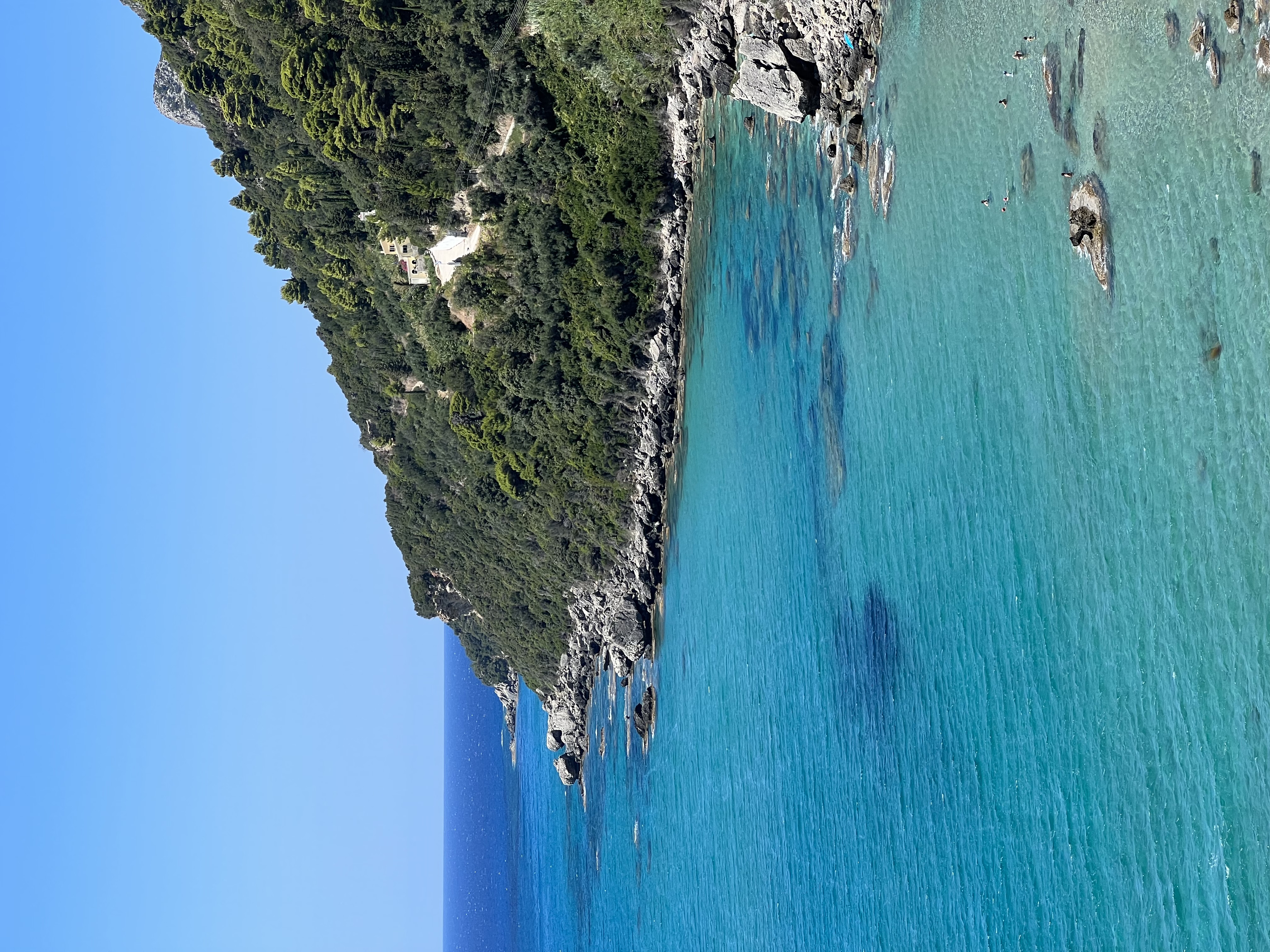
Standing in front of the beautiful blue hues of the Ionian Sea, which connects Greece and Italy, in a hot August summer, for the first time in a few stressful years, that moment made me put the ocean at the top of my list of subjects to write about. The air was neither too dry nor too humid, the salty taste mixed with a slightly fishy smell reminded me of my days in Kiel, the city where I lived and studied for a year and a half on the Baltic Sea in Germany. Only here the temperature is always above 30°C instead of staying around 20°C all summer long. Standing on the top of the hill, on the ruins of an old fortress, looking out over the open water that only disappears behind the horizon, I was curious (again) if thousands of years ago people's greatest dream in their relatively short lives was to be on the other side of the water, what they saw in that water, and how they were influenced and inspired by it. I also wondered how people, especially artists and designers, have related to the ocean in the long history of mankind.
To this day, we all know that the ocean is where life began on our blue planet. With the remains of the earliest recorded human seafood meal from around 167,000 years ago, the ocean has provided us with resources, influenced the global climate and influenced human evolution in many ways. It has changed who we are and how we live, and we have woven it into many mythologies and folklores.
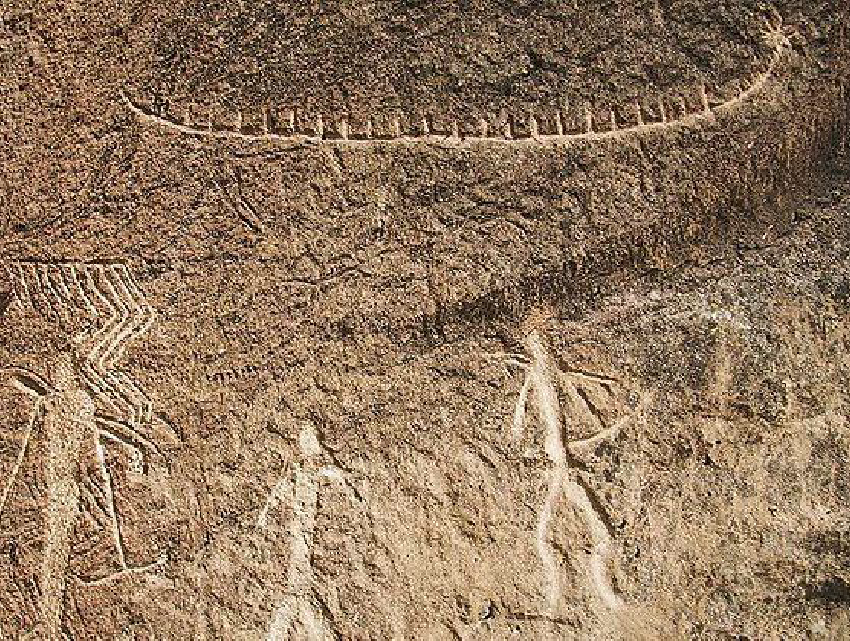
The oldest piece of marine art we have ever found is the reed boat petroglyph — a type of prehistoric rock art — at the Qobustan National Historical Artistic Preserve in what is now Azerbaijan, which can be dated to around 12,000 BC. A boat with a sun sign on its bow is floating in the ocean, with 23 vertical lines on the hull, presumably representing humans. It shows that people living 14,000 years ago had already figured out how to stay afloat for a long time without drowning.
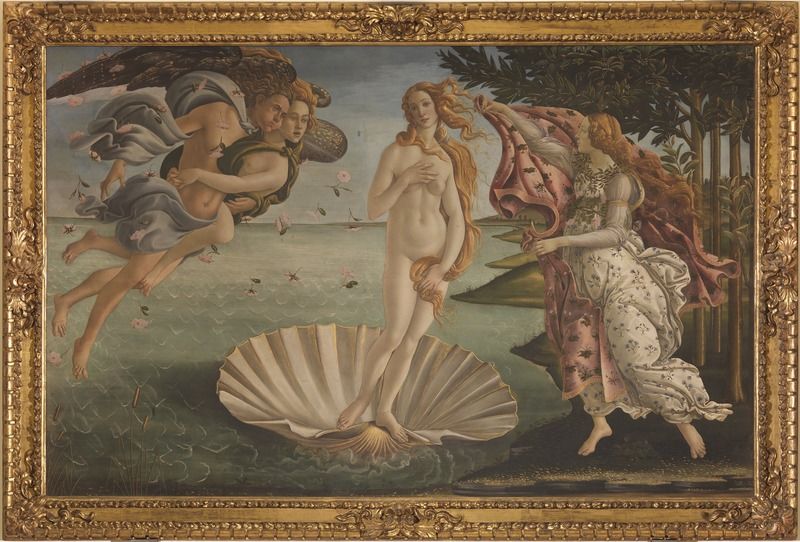
Ancient people had a great respect for the ocean, which was far beyond their comprehension. It seemed boundless and bottomless, it was constantly changing, and it was home to countless mysterious creatures and events. It was supremely divine and spiritual. Aphrodite, the ancient Greek goddess of love and beauty (also known as Venus in ancient Rome), was born in the ocean, rising from the white foam in a shell. Poseidon, one of the Twelve Olympians in ancient Greek religion and myth, god of the sea, is still a trendy figure in pop culture. His Roman version — Neptune — is the name we still use for the eighth planet from the sun.
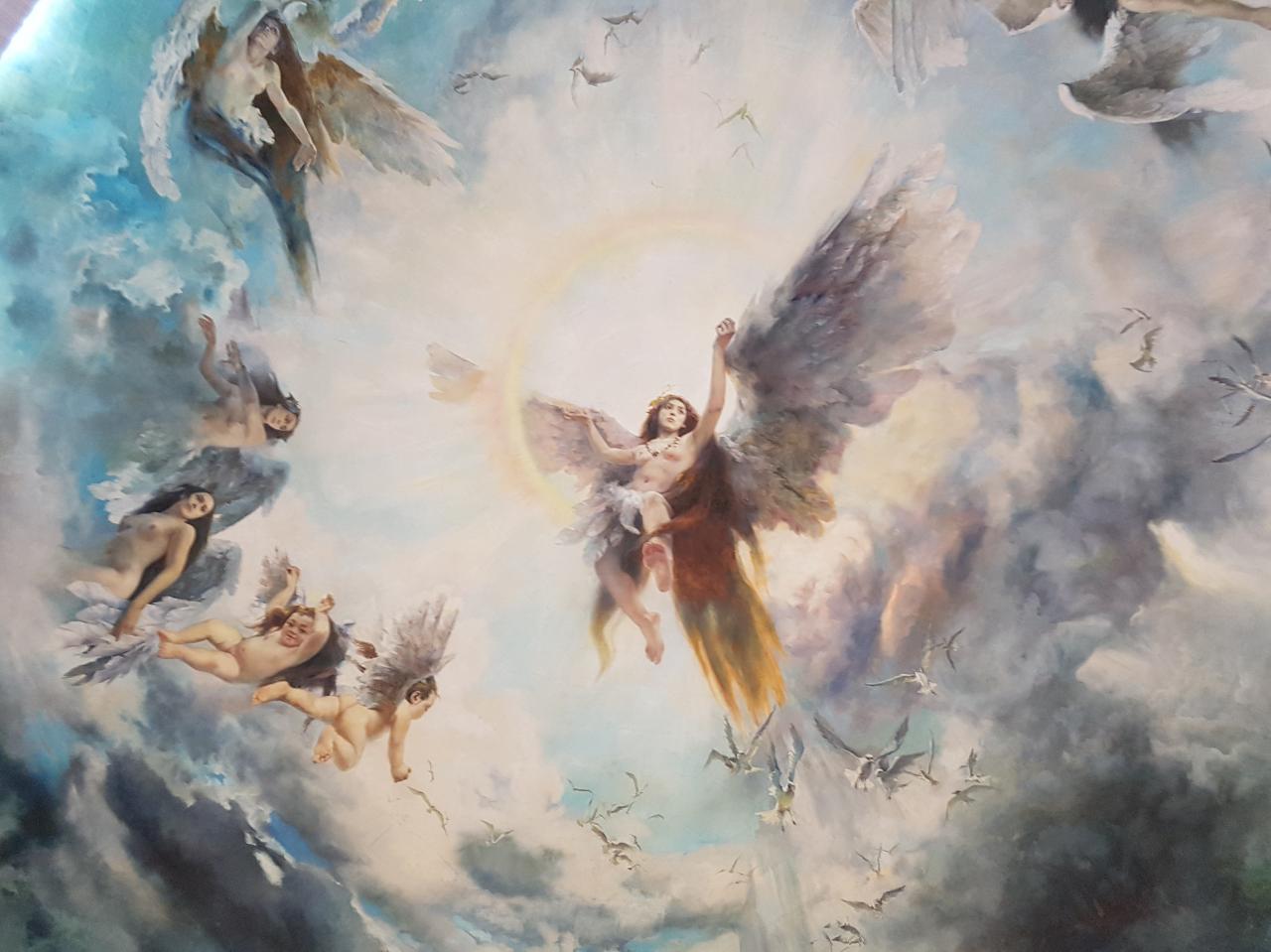
In Chinese mythology, the Classic of Mountains and Seas, also known as Shanhai jing, the land belonged to the kings, but the ocean belonged to the gods. The ocean represented a divine concept that people cherished and respected. The Chinese people call themselves the descendants of the dragon. Since the dragon is the lord and ruler of the ocean, we can see how vital the ocean is to this ancient culture. There is another famous story in Chinese mythology about a young girl who drowned in the ocean and transformed into a bird called Jingwei. She was determined to fill the sea with pebbles and branches from Mount West to avenge her death and prevent others from suffering the same fate. People admire her for her arduous and remarkable undertaking.

Humans have taken the ocean for granted. Ancient people from different cultures thought there was an ocean on the Moon. Oceanus Procellarum, the largest and most prominent of the dark regions on the lunar surface, is not a real ocean of water, but a vast plain of ancient volcanic rock that reflects less light than the surrounding highlands. The ancient Greeks and Romans believed that the moon's ocean was a sea of blood spilled by the gods in their battles. Ancient Chinese astronomers recognized the ocean on the Moon as one of the lunar mansions. They called it Taiwei, meaning "big stomach", and associated it with the emperor and his court. The ancient Maya people considered the lunar ocean to be part of their cosmology and calendar. They called it Xibalba be, meaning "the road to the underworld", and believed it was a portal to the realm of death and rebirth.
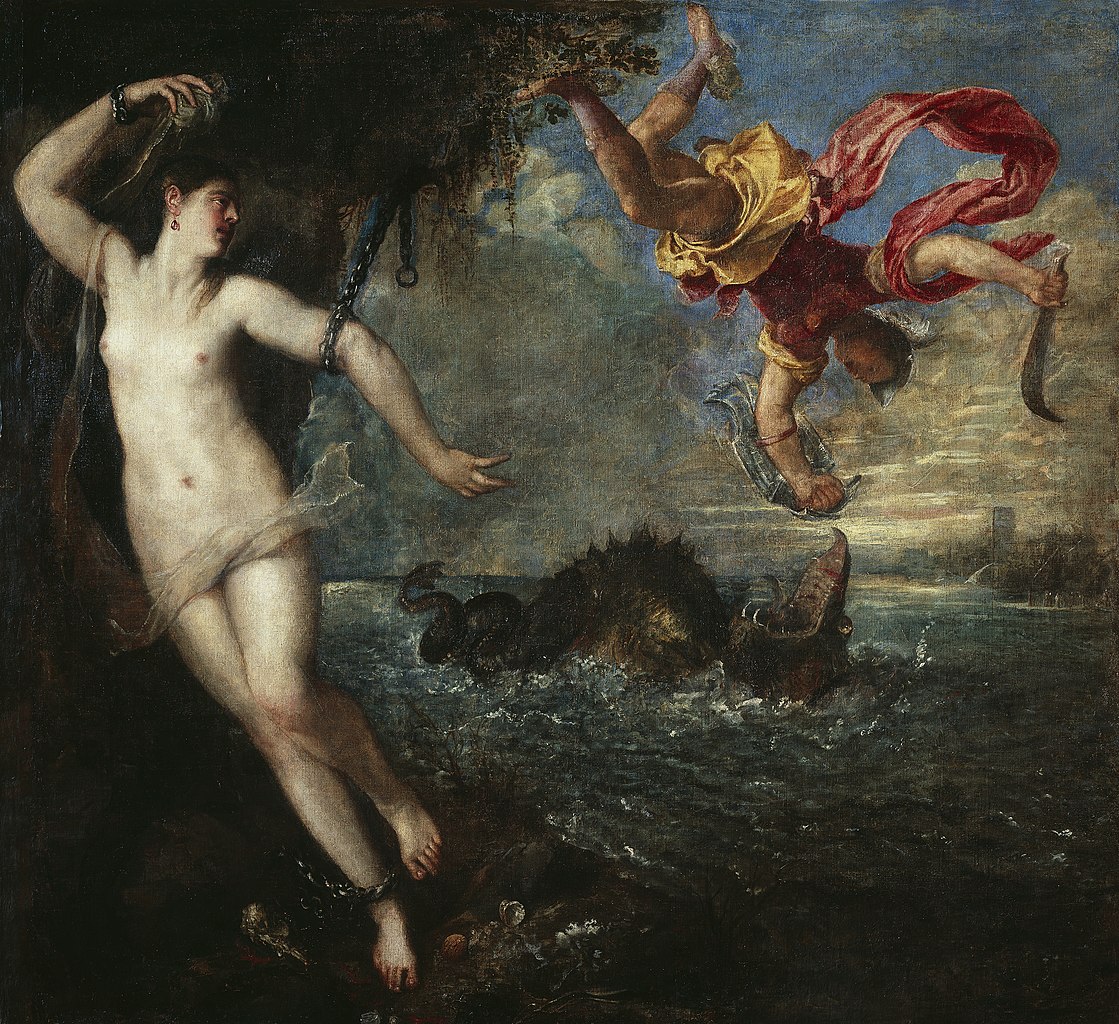
The ocean is a vast and mysterious realm, where the light of the sun cannot penetrate its deepest depths. It is like a black box or a dark room, hiding secrets and wonders that we can only imagine. Where vision cannot reach, there will be imagination. And imagine we do, for humans have always been fascinated by the creatures of the sea. Some are friendly and marvelous, while others are fearsome and monstrous. We tell stories about them as if we have seen them with our own eyes, but we can never be sure if they are real or not. The ocean is a source of legends and myths, but also of conspiracies and mysteries. Its size and depth make anything possible, and a good storyteller can make us believe anything.
One of the most famous legends was about the giant squid with long tentacles and a powerful beak that attacks ships and drags sailors to their doom. This monstrous sea creature has inspired fear and awe for centuries. Some of the stories may have originated from the sighting of real giant squid, which can grow up to 15 meters in length, but others may have been exaggerated or influenced by mythology and folklore. Another legend is the sea serpent, a long and slender creature that resembles a snake or an eel. It has been reported in various cultures around the world, such as Greece, Africa, China, Japan, and Australia. They were often described as having a head like a horse, a dog, or a bird. The legend of the giant squid has also inspired many works of fiction and art, such as Jules Verne's Twenty Thousand Leagues Under the Sea and Victor Hugo's Toilers of the Sea.
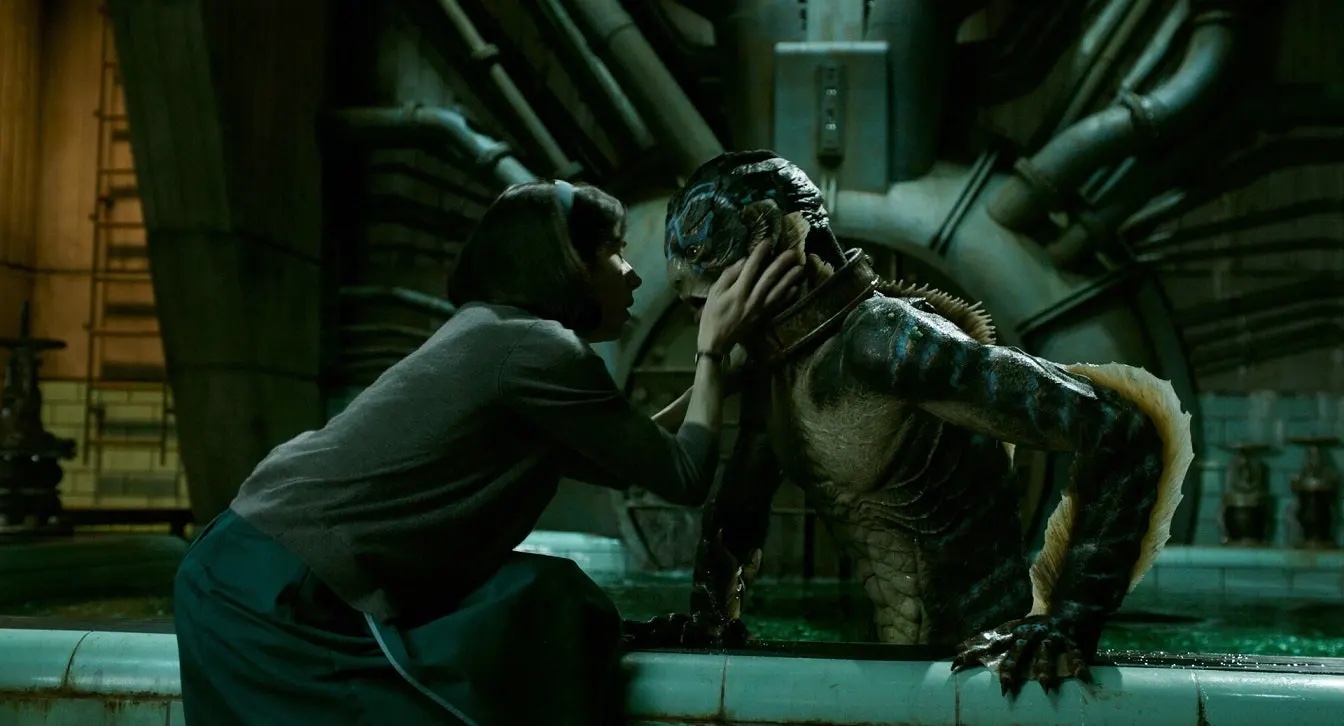
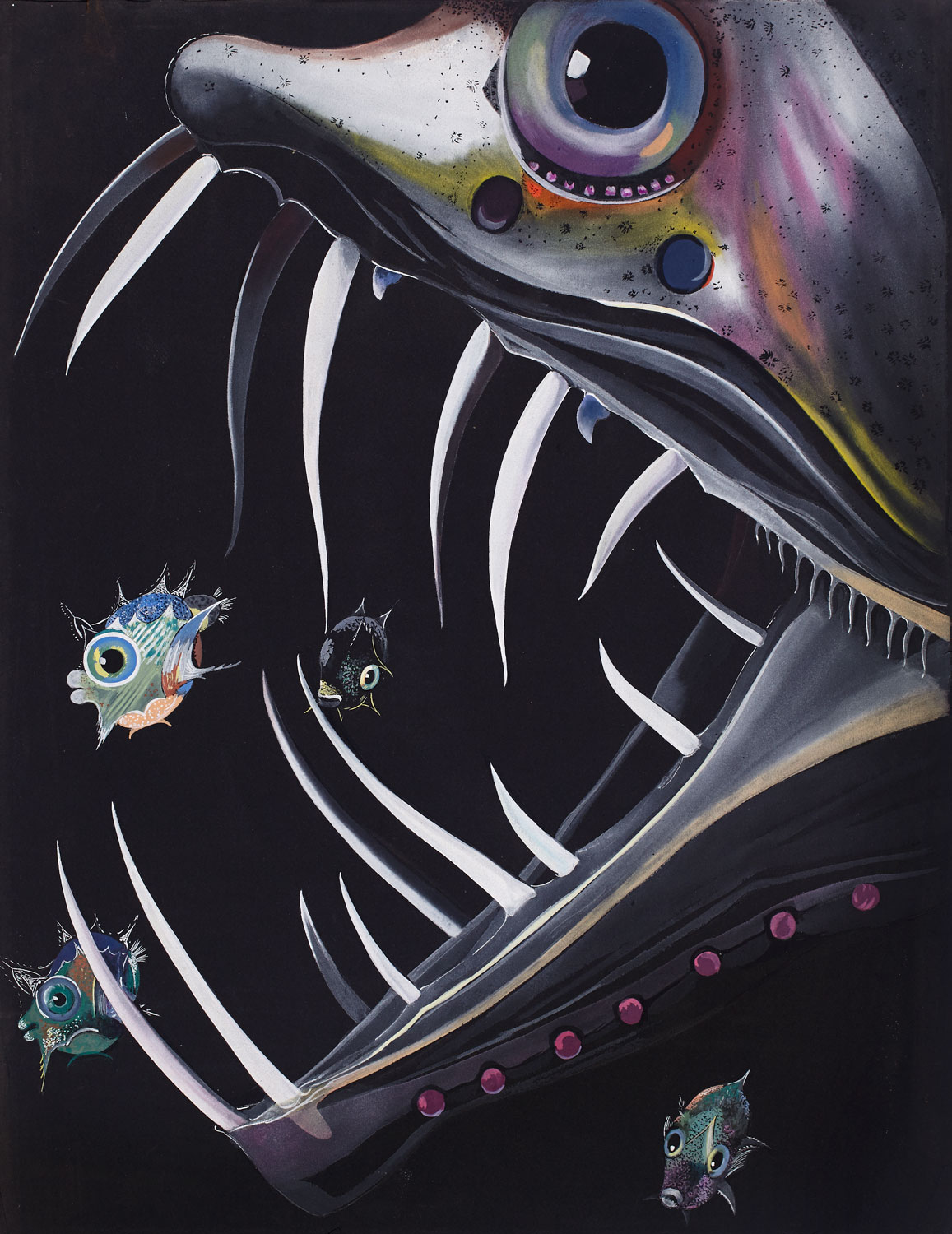
In the deep ocean, animals have spent millions of years adapting to some of the harshest environments on Earth. Some have lost their sight in total darkness, while others, like anglerfish, have adapted to use light as a lure to attract prey. Some have thin and compressed bodies, while others grow to unimaginable sizes. It is all about the spirit of survival that we admire and want to see. So scientists and adventurers keep going back to discover more. Even today, almost every year scientists find new creatures there that have never been seen before.
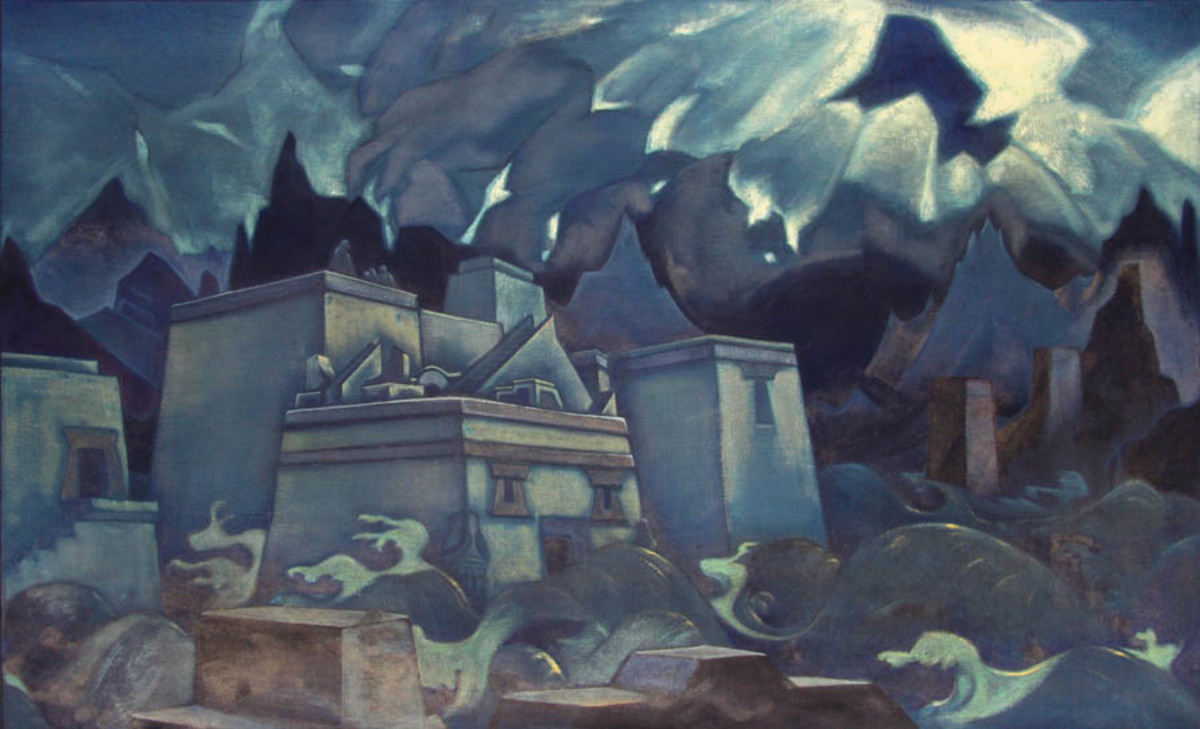
Not only are there mysterious and even imaginary creatures under the ocean, but some of us also believe there is a hidden world in the deep sea. There are even legends about unidentified submerged objects — USO, the opposite of its more famous brother UFO. People talk about strange lights in the ocean, some are convinced that there are secret alien bases there. There may be less evidence for many of these claims, but one thing we all believe in deeply is the lost culture of Atlantis. Even though there is no conclusive evidence that Atlantis ever existed as a historical reality, it has captured the imagination and curiosity of many people worldwide.
The story of Atlantis is based on two dialogues by the ancient Greek philosopher Plato, who claimed to have heard them from an Egyptian priest. It was a powerful civilization that existed over ten thousand years ago before it lost the Great War to the ancient Athenians and sank into the ocean in a single day and night. People have been searching for the lost land of Atlantis ever since. The legend has captured the imagination of many throughout history. Countless theories have proposed America, Scandinavia, Sardinia, and the Canary Islands. Many scholars are convinced of their ideas, while the majority agree that Atlantis is probably a myth or a distorted memory of an ancient historical event. Nowadays, it has become a shared interest, a cultural symbol, and an inspiration for art and creation.
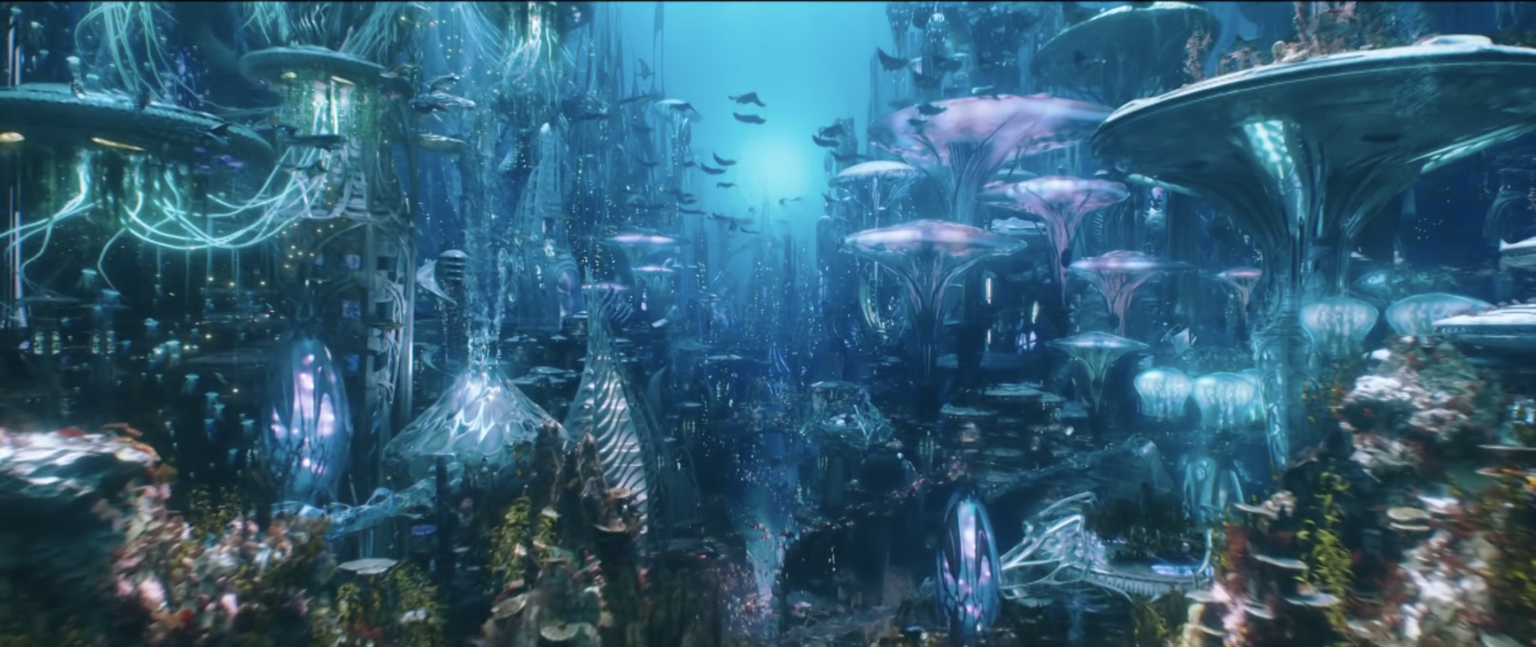
We may never be able to prove Atlantis right or wrong, but the rising waters have indeed swallowed many civilizations in the past and will continue to do so in the future. The melting icebergs and brutal earthquakes have repeatedly forced people from their homes, abandoned cities, and left their roots behind. From Yonaguni Island in Japan to Pavlopetri in the Mediterranean, from Port Royal in the Caribbean to ancient Dwarka in the Indian Ocean. When walking in the water on St. Mark's Square in Venice became an annual routine, we had to wonder which city would be next. Climate change not only threatens our cities and civilizations, but the underwater world is suffering even more. Rising temperatures are causing coral bleaching, ocean acidification, changes in species distribution and abundance, and loss of biodiversity. Many artists have joined the activists to create unforgettable works of art to remind people of this issue that cannot be ignored.
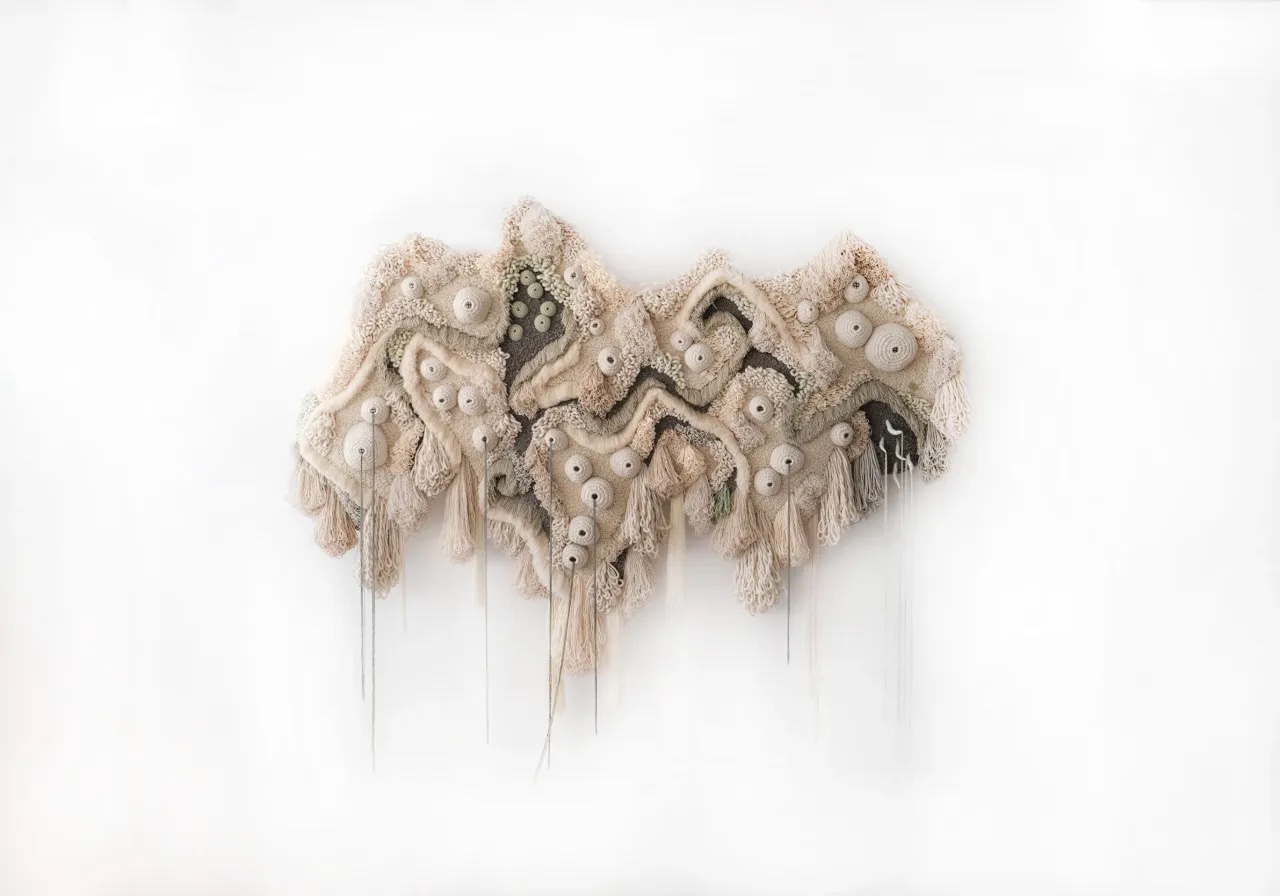
The handmade tapestry mimics the bleached coral, appealing to its viewers to awaken consciousness, awareness, and reflection of our actions and how they affect even the smallest of environments, no matter how remote.
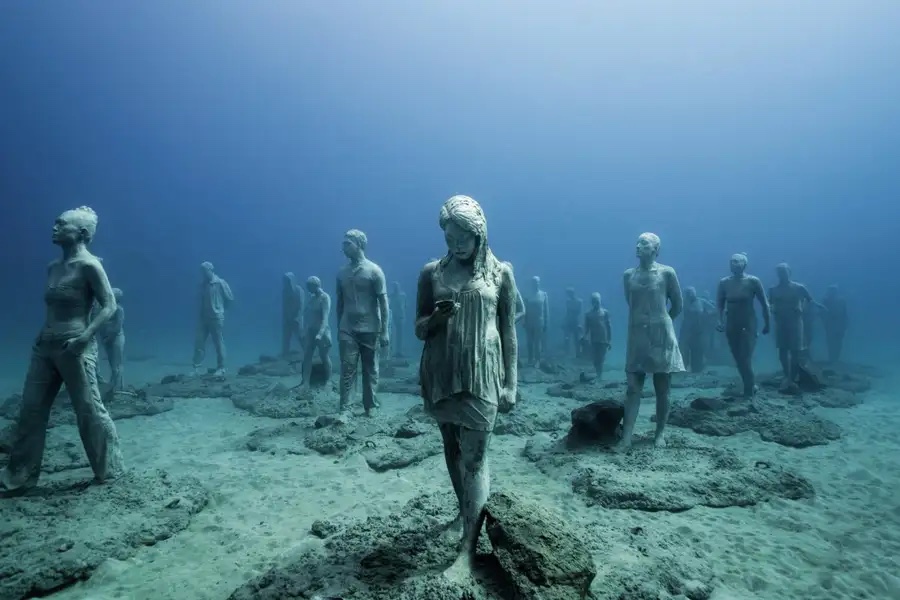
These pH-neutral marine cement figures are 14 meters underwater off the coast of Lanzarote, Spain. It draws from the idea the crowd, and the world, are heading towards a point of no return as temperatures rise.
The ocean captivates us with its vast emptiness and unknown depths. Throughout history, people learned to swim and sail, relying on water for trade and survival. Ancient Egyptians built boats from papyrus reeds around 3000 BCE, while the Phoenicians advanced shipbuilding and navigation in the Mediterranean. The Vikings expanded seafaring from the late eighth to early eleventh centuries, reaching North America and Asia. The Age of Exploration (late 15th to early 17th centuries) marked a shift as European explorers like Columbus and Magellan sought new trade routes, connecting cultures across continents.
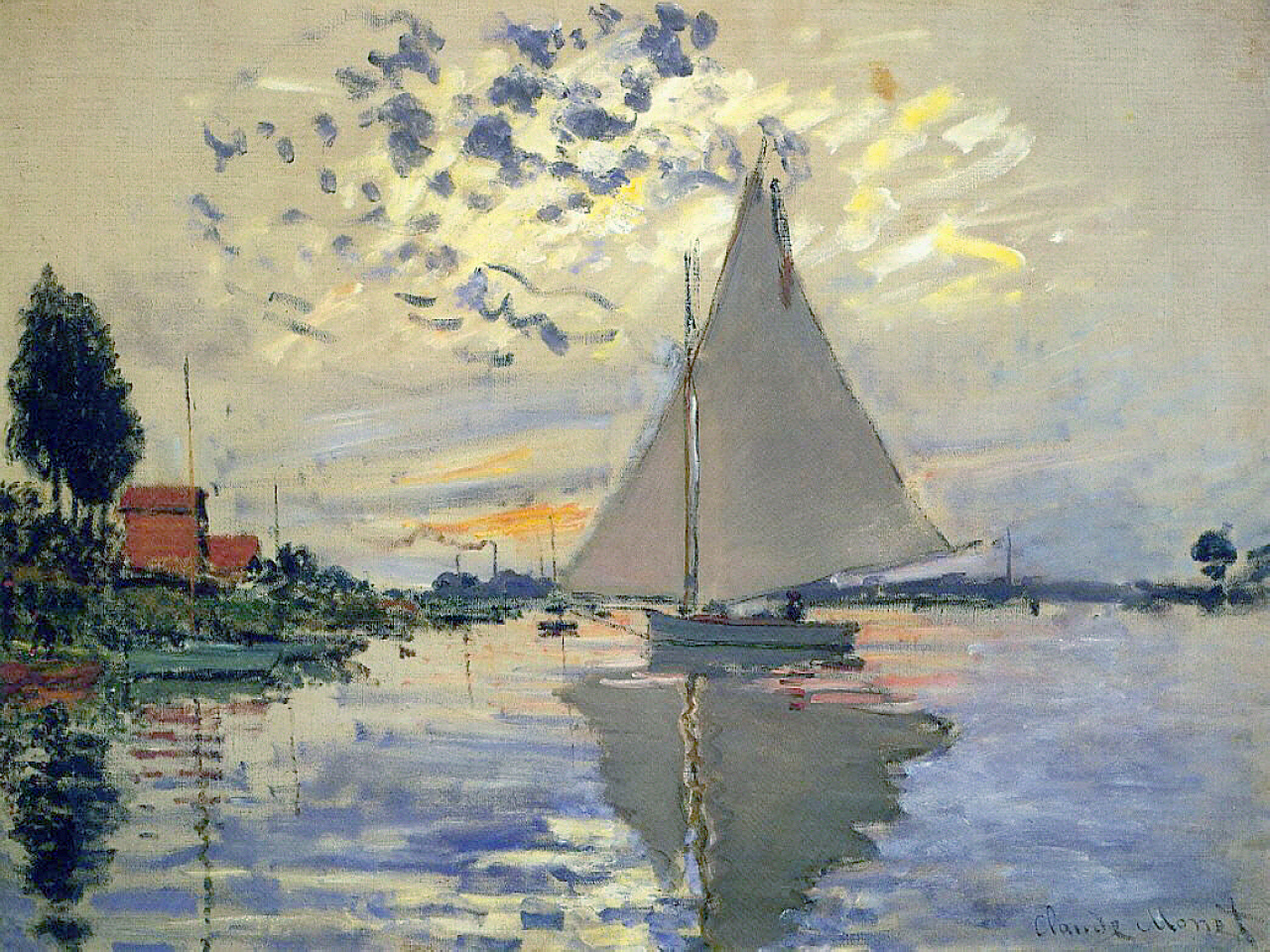

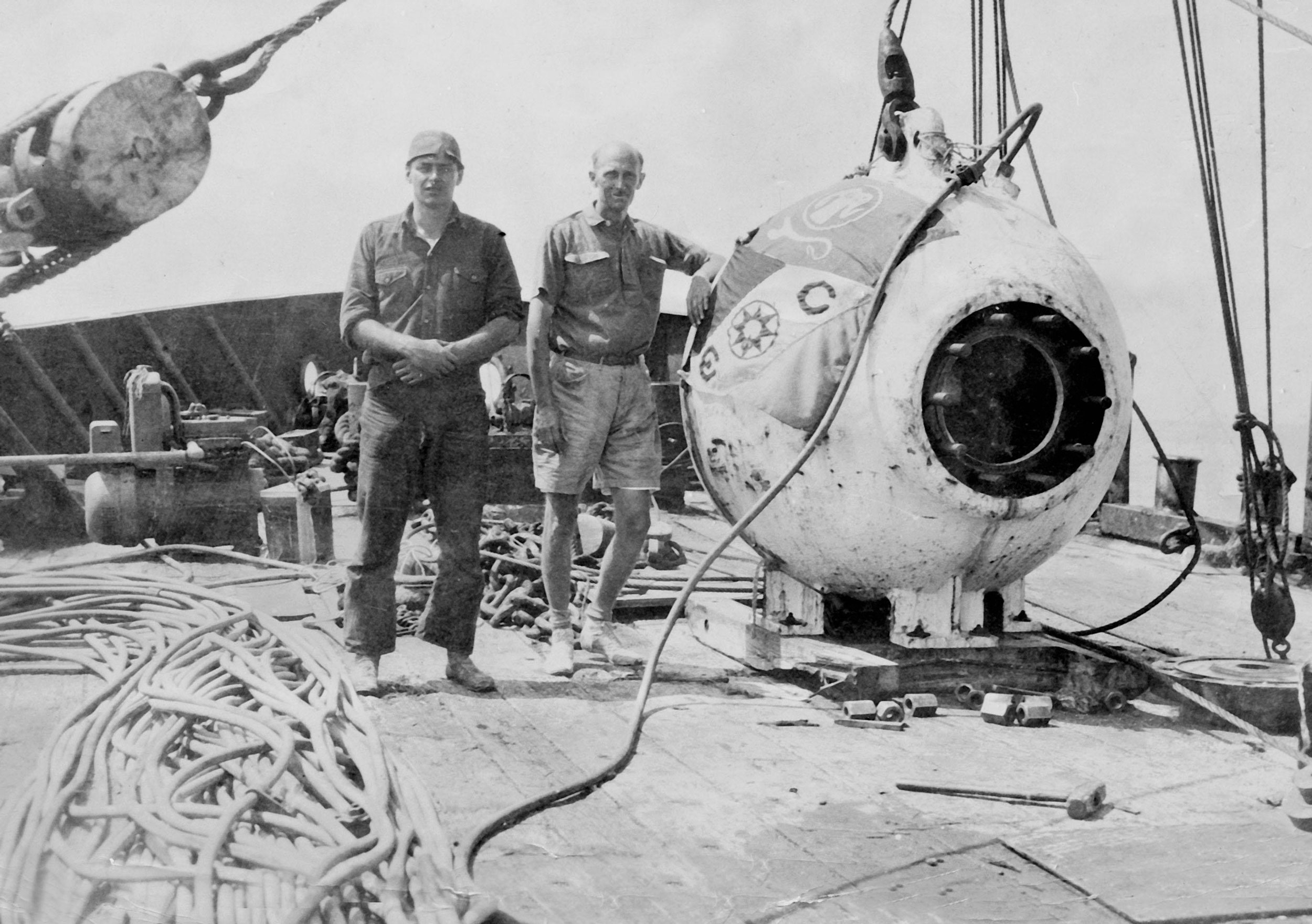
Maritime technology and navigation have evolved so tremendously that we started to think that nothing could not be conquered. The Titanic disaster in 1912 highlighted human arrogance against nature, as the supposed "unsinkable" ship sank after hitting an iceberg, claiming over 1,500 lives. The recent OceanGate accident in June 2023, where the Titan submersible imploded while visiting the Titanic wreck, echoes this tragedy, showing the risks of deep-sea exploration. Hopefully, these and a lot of other events remind us of the dangers of maritime activities and the ocean's mysteries, urging us to consider safety and responsibility in exploration.
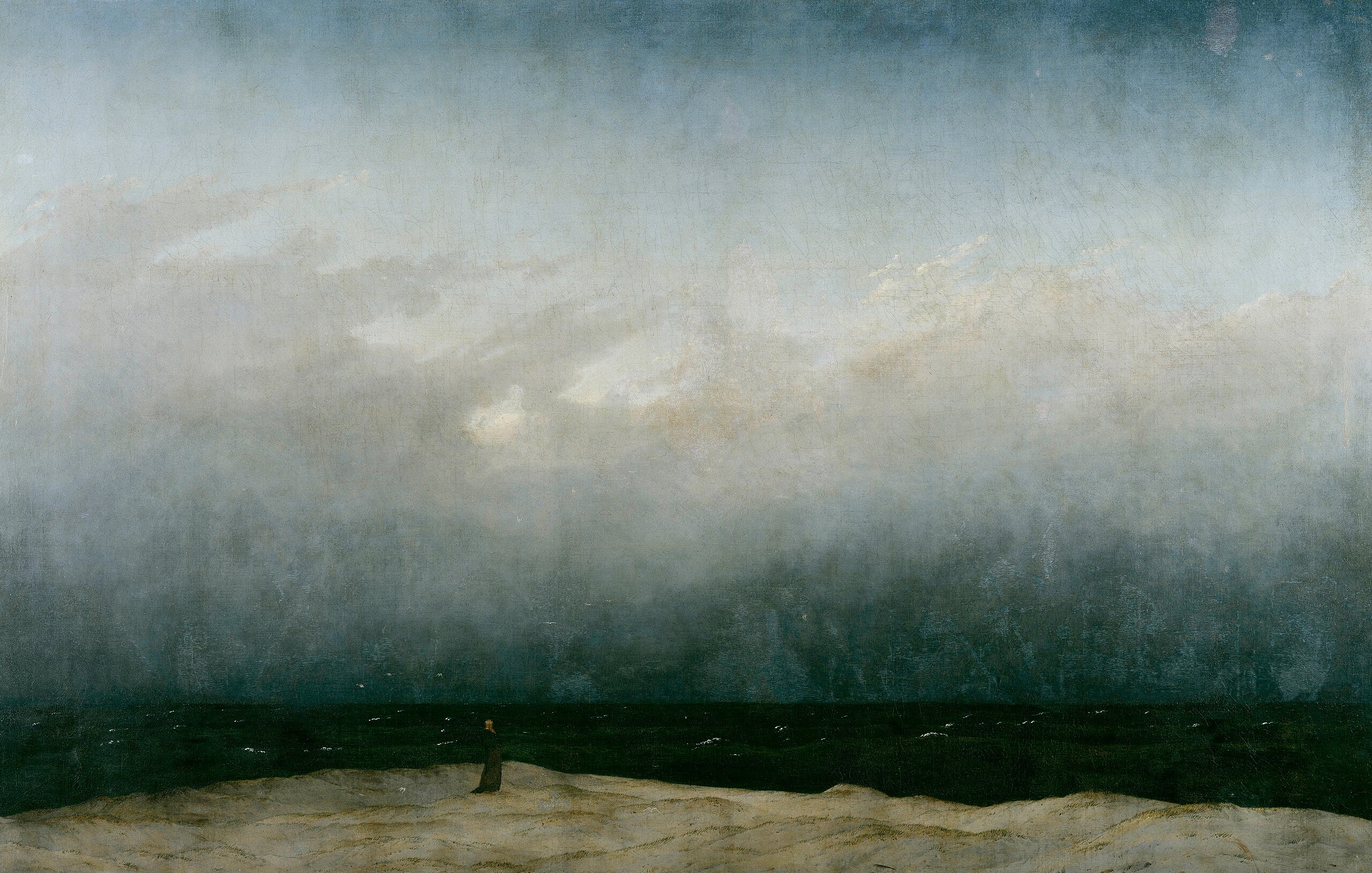
For centuries, the ocean has served as a vital source of sustenance, commerce, and cultural enrichment for coastal communities. These communities have honed their fishing techniques, utilizing nets and traps to procure seafood, which has become an integral part of their culinary traditions. Furthermore, they discovered the method of salt extraction through seawater evaporation, a crucial practice for preserving food's freshness and flavor. Shells and corals were transformed into functional tools and aesthetically pleasing artifacts. Ships traversed the seas, facilitating cultural exchange and the exchange of goods and ideas. This profound connection to the ocean has significantly shaped societies, influencing their economic systems and daily life.
However, the management of ocean resources presents contemporary challenges. Overfishing has emerged as a significant concern, resulting in the depletion of fish populations. Consequently, stringent measures and sustainable fishing practices are imperative to ensure the long-term viability of marine ecosystems. Additionally, the exploration of seabed minerals has garnered attention, raising environmental concerns that necessitate careful consideration and management. In the realm of renewable energy, offshore wind and wave energy are increasingly being harnessed to contribute to the transition towards cleaner energy sources. Despite efforts to enhance the sustainability of ocean resources, challenges persist, necessitating collaborative efforts and innovative solutions from all stakeholders.
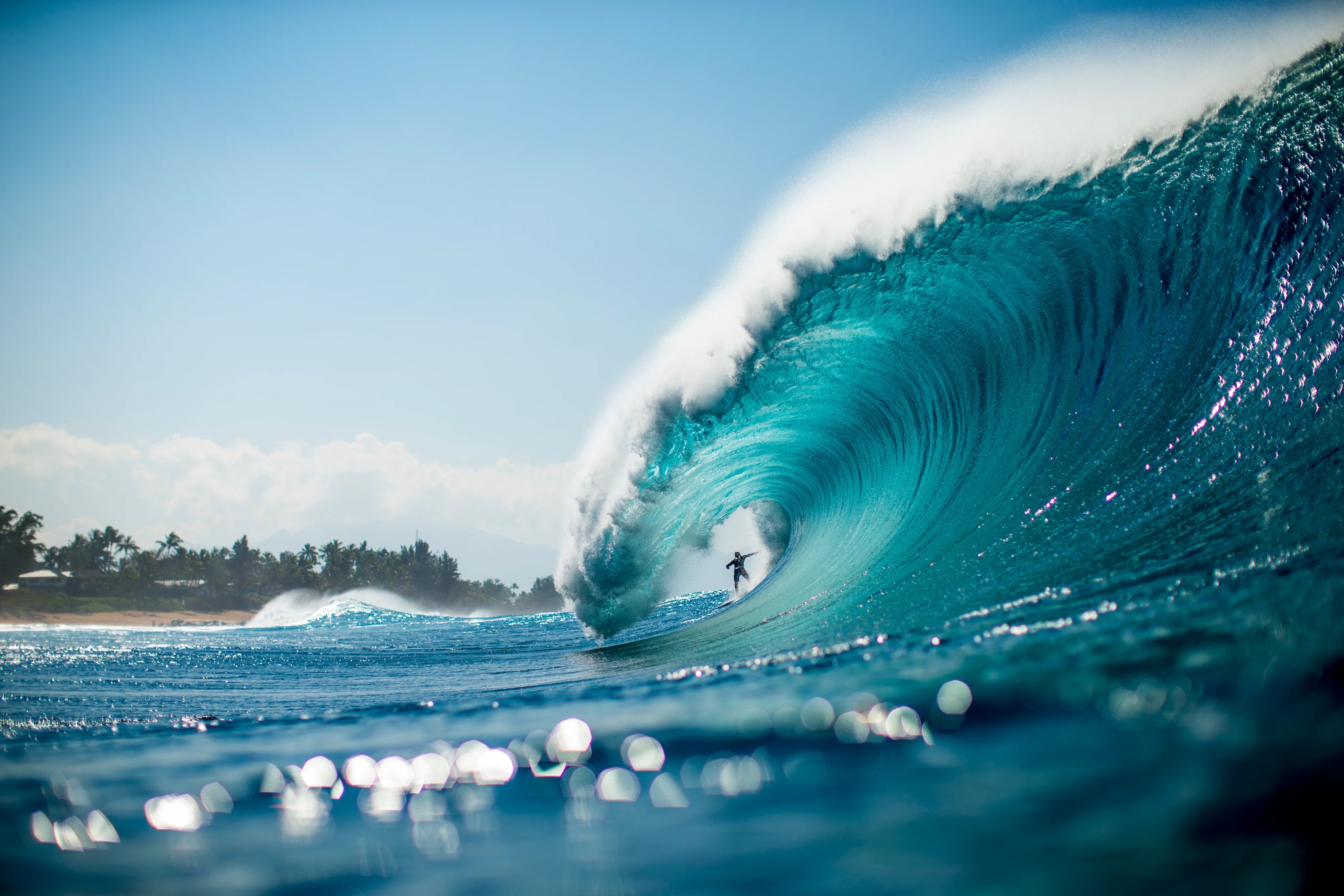
In the face of escalating climate change and resource depletion, it is imperative to devise sustainable methods of coexisting with the ocean. Future interactions with the sea will likely revolve around striking a harmonious balance between utilizing its resources and safeguarding its ecosystems. Advancements in marine technology offer promising avenues for harnessing energy and food responsibly. However, it is equally crucial to prioritize the preservation of marine habitats.
Furthermore, scientific endeavors are focused on identifying exoplanets with expansive oceans throughout the cosmos, with the ultimate objective of discovering novel environments where life could flourish. This multifaceted approach underscores the profound significance of the ocean, whether situated on Earth or beyond, in sustaining life and fostering long-term growth.