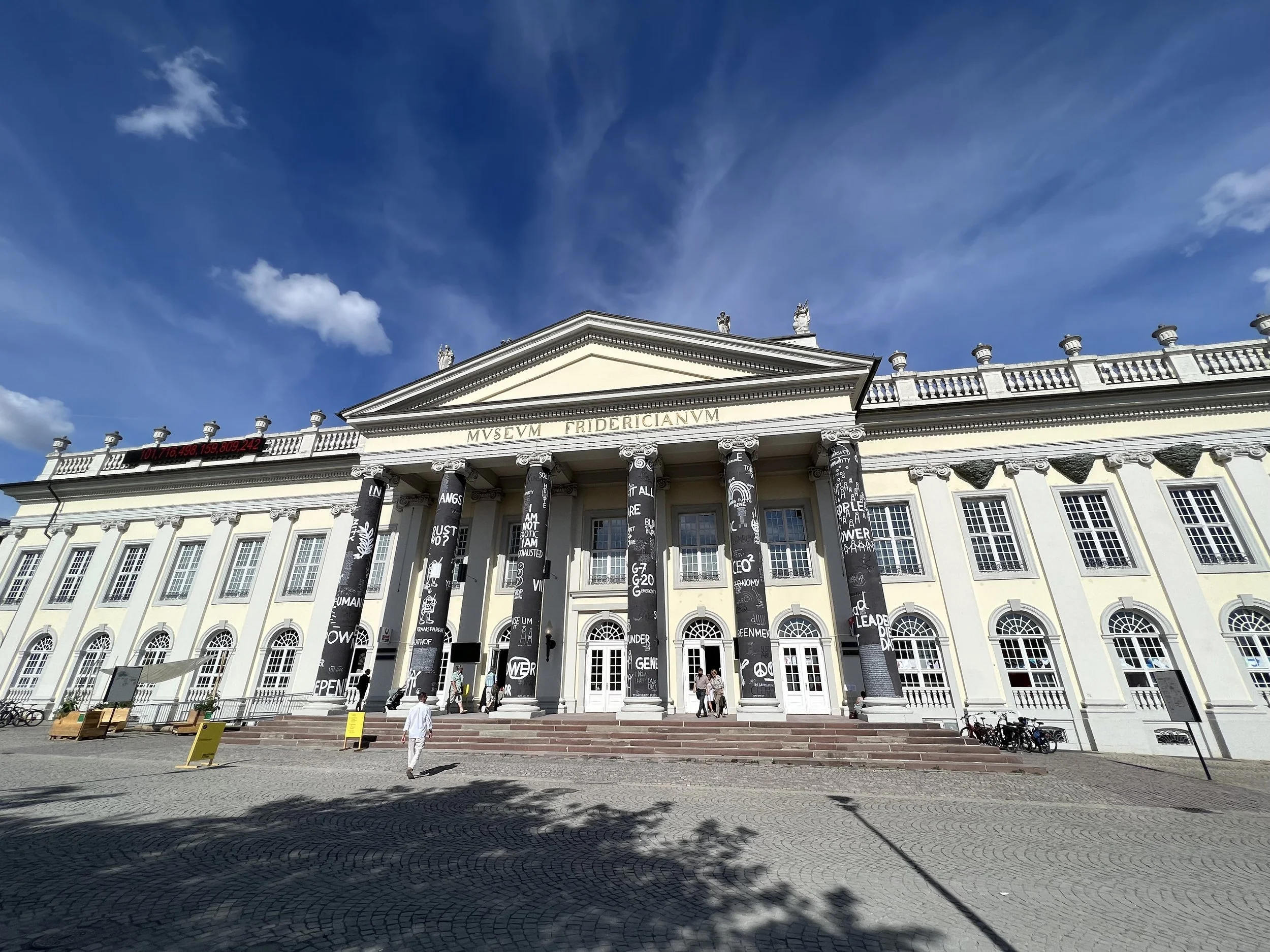
"Art is never finished, only abandoned." — Leonardo da Vinci
Five years ago, visiting documenta for the first time changed how I see contemporary art forever. Like never before, I saw a collection of the finest and most meaningful art pieces from around the world, with an incredibly refreshing aesthetic. Both the depth and the diversity of them inspired me so much, that I had to look through the catalog again and again over the past five years for inspiration.
Five years later, standing in front of the documenta Halle, the world and I are both in a very very different place. I am not a freshman in Germany anymore but standing on my own feet working as a designer. We all know now what the world went through, and we are all still going through this together.
It was awakening five years, it was a drastic and restless roller coaster. All these emotions can be clearly seen at the documenta fifteen.
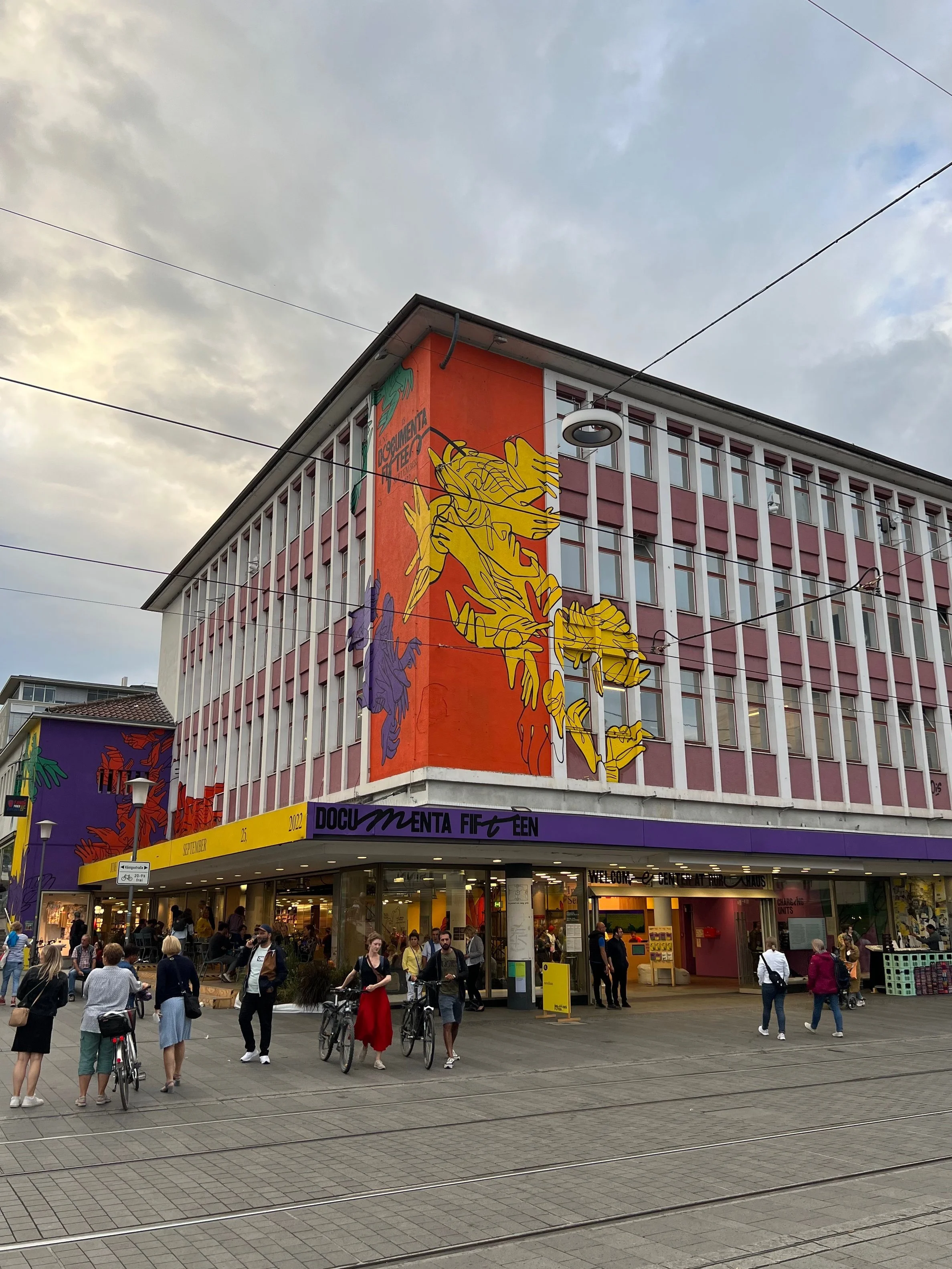
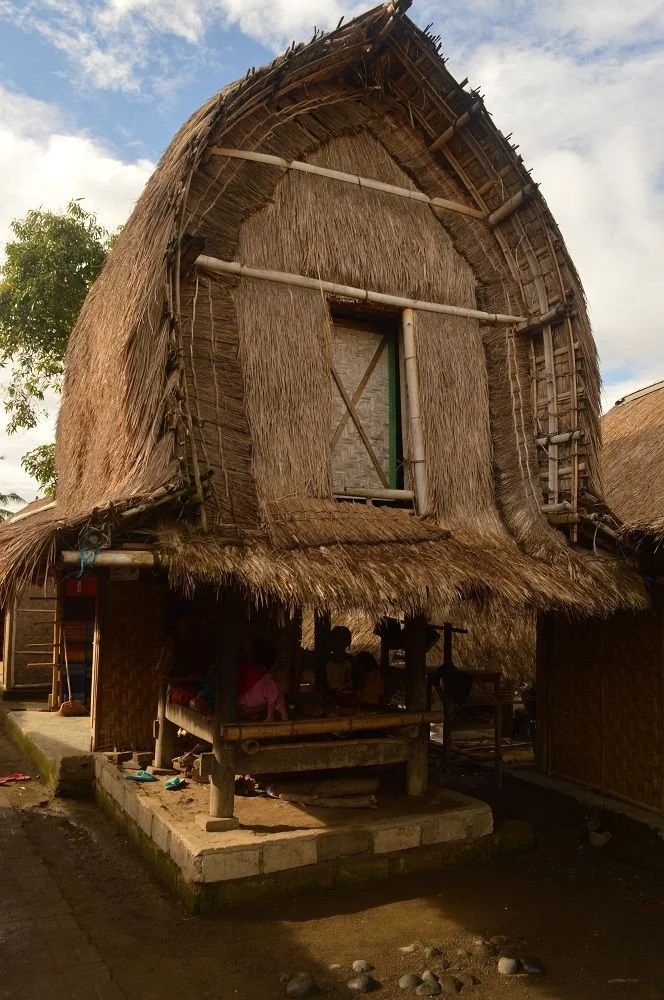
"lumbung" is the Indonesian word for a communal rice barn, in which the surplus harvest is stored for the benefit of the community.
Being the first Asian group and the first art collective to co-direct such a large-scale international art exhibition, the Indonesian contemporary art collective "ruangrupa" brought "lumbung" as the central idea to documenta fifteen. Originally a communal rice-barn in Indonesia, "lumbung" also means friendship, working well together, sharing things, and looking after each other. It is not a concept, but a practice that changes itself dynamically through interactions between people. Therefore, documenta fifteen does not have a theme. It is not about "lumbung", but a practice of doing it.
Being a "living room" in the city center where people can meet up and have all types of interactions, ruruHaus has been a great extraction of the documenta fifteen.
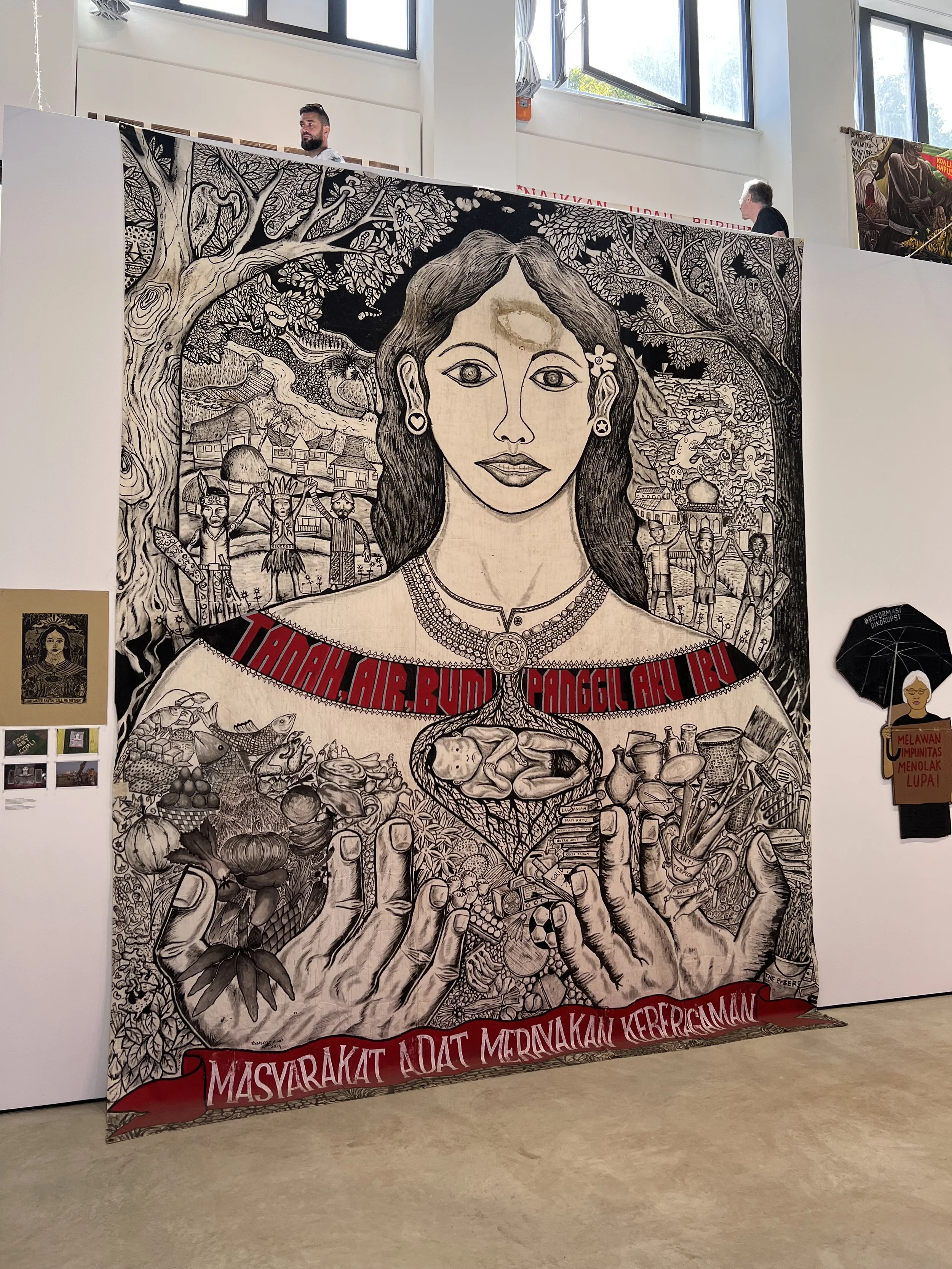
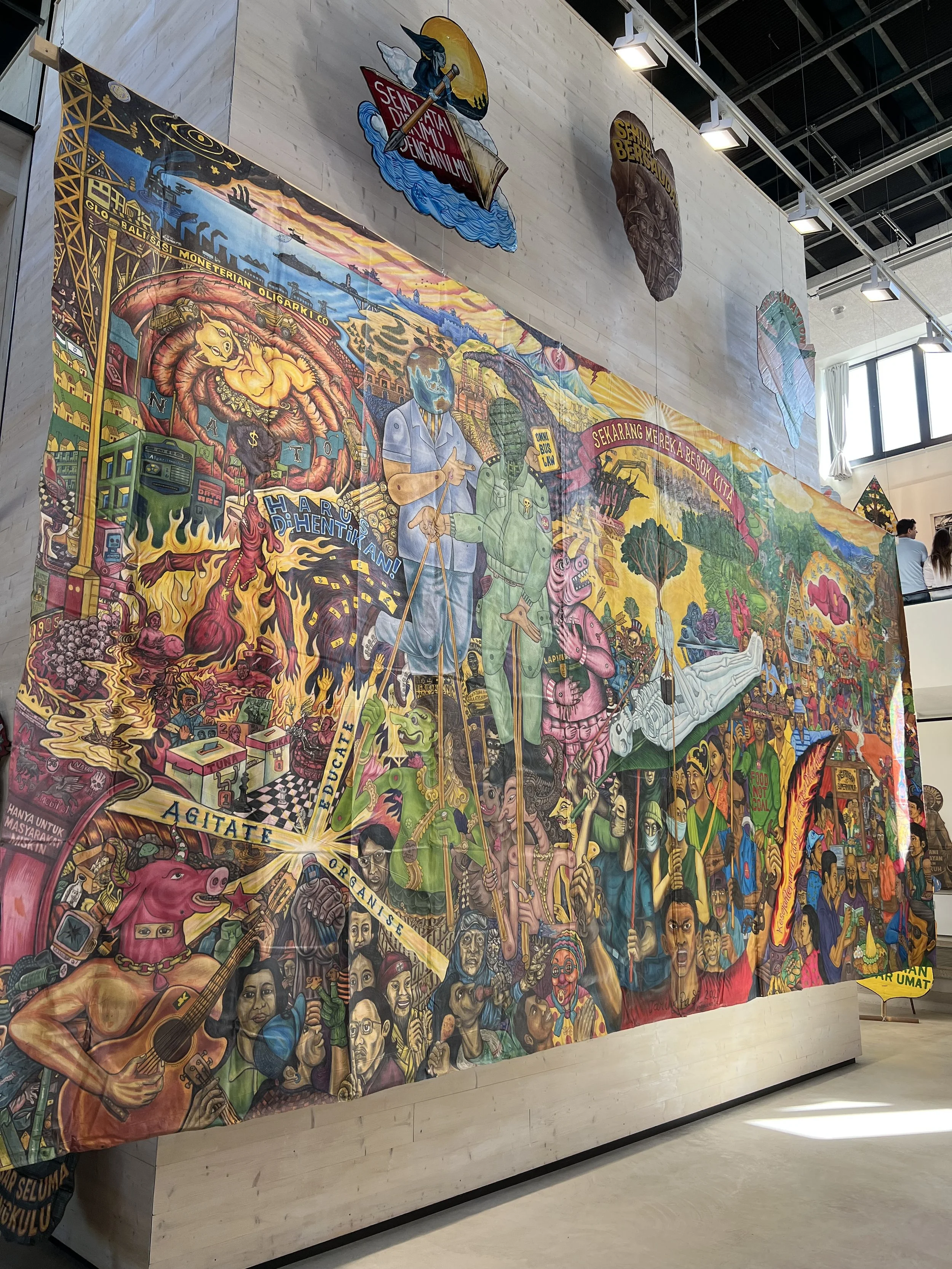
In Hallenbad Ost, one of the few Bauhaus-style buildings in Kassel, the artist group Taring Padi, which is also a member of lumbung, is impossible to be overseen. Founded in 1998 and coming also from Indonesia, their artistic practice is always heavily involved in socio-political and cultural solidarity and action. Their artworks typically include woodcut posters, large-scale banners, and cardboard figures.
Over the years, they have been collaborating with other artist groups around the world to address local socio-political issues using art. They have been going out onto the streets and into the fields, demanding justice and awareness. Organizing, educating, and agitating are the core principles of their practice. Despite the recent controversial antisemitism accusation, the courage of using art to give an impact on our society is something truly inspiring.
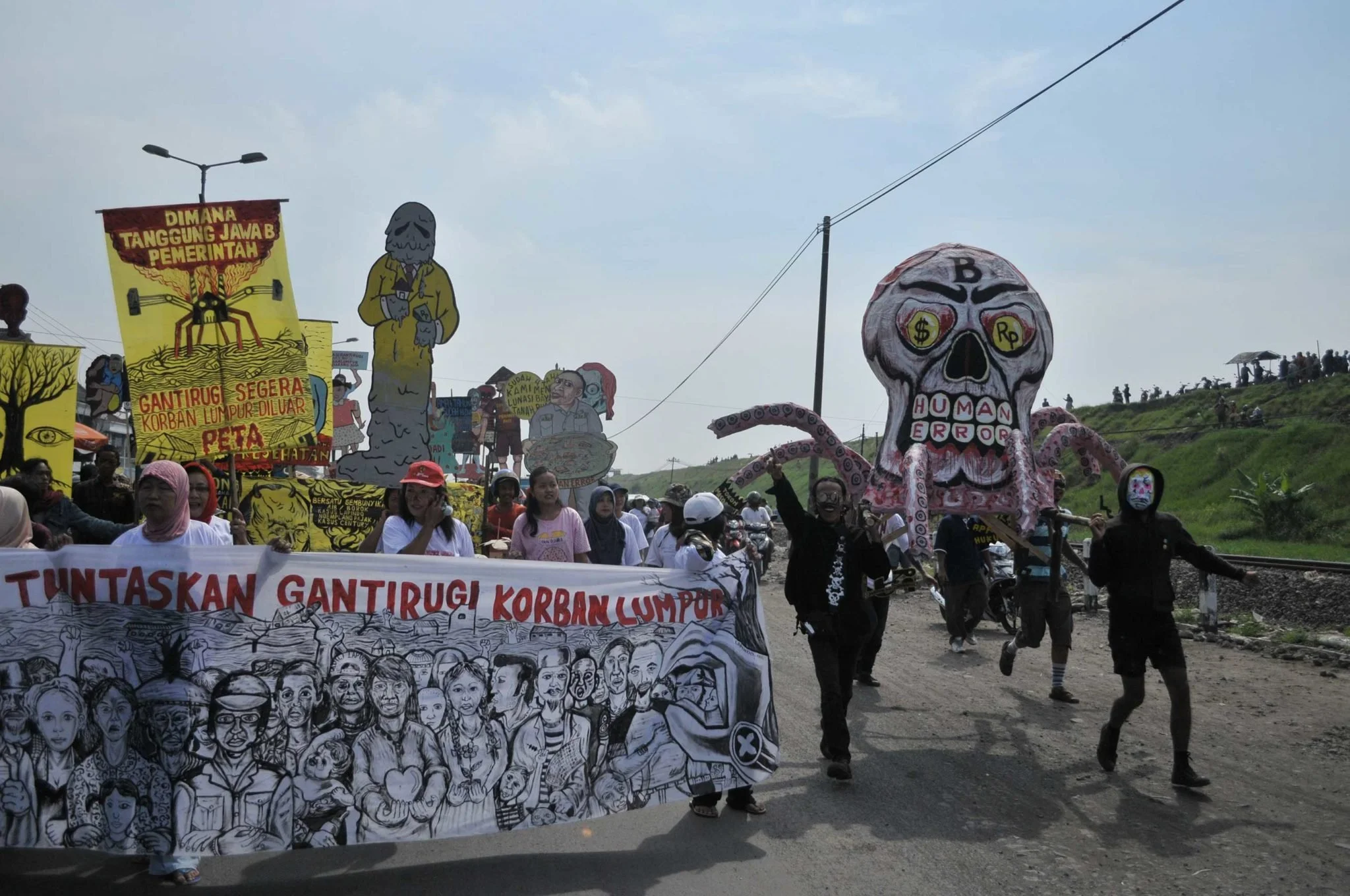
Protesting against the system, and challenging the power above us is a huge topic this year at documenta. Alongside Taring Padi, loads of other artists dragged visitors' attention to their homelands, which we could never see on any mainstream media. Different forms of artwork spread in all scales of places, building up a phenomenal image of the event. Especially a strong involvement of African and Afroamerican art and culture that probably has never been seen before at documenta was the absolute highlight.
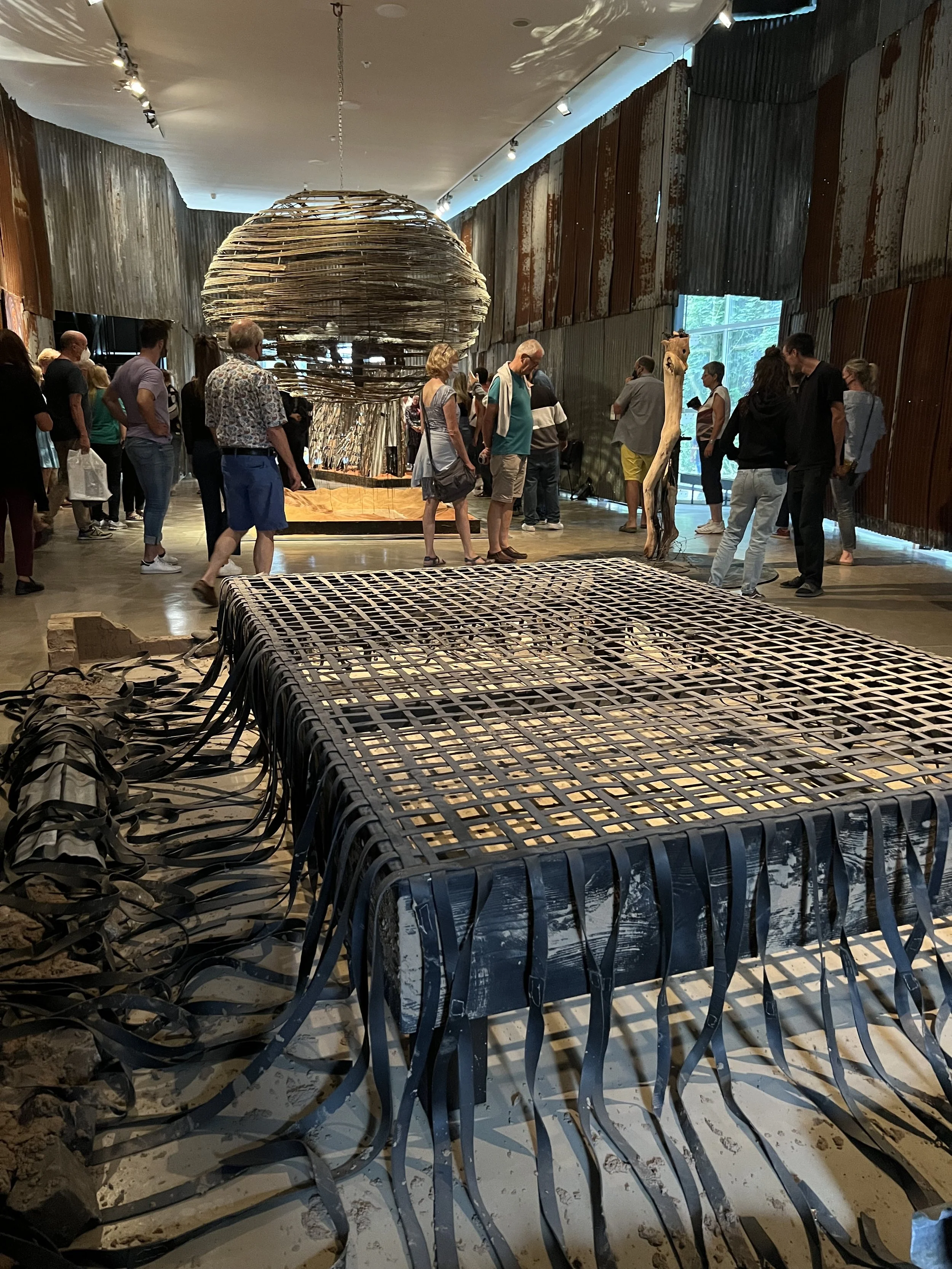
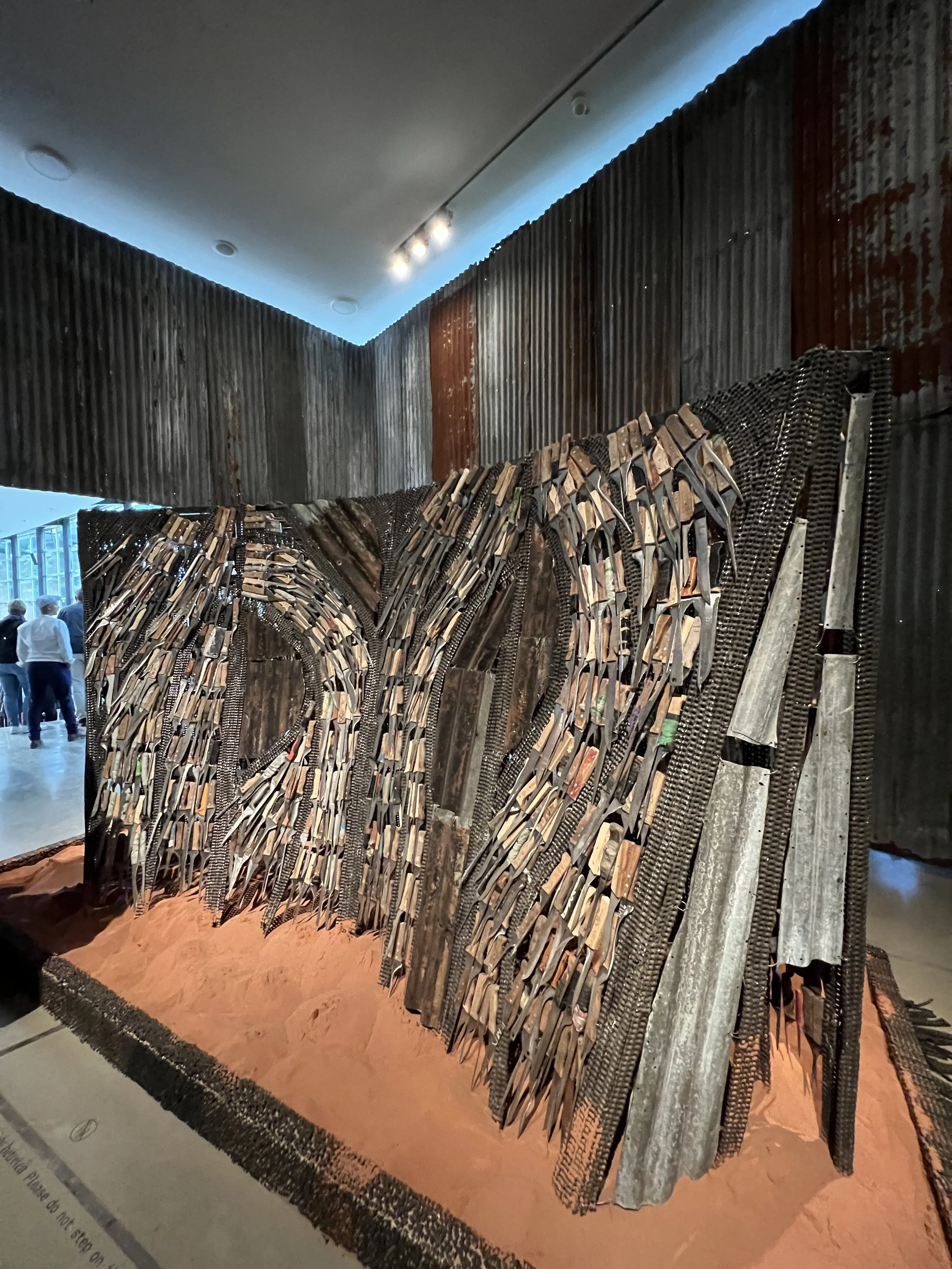
The architectural installation at documenta Halle was inspired by the Maasai Manyatta (traditional housing for the Maasai People of East Africa) and the informal aesthetics in the slums. The impressive sculpture in the second picture used repetitively sharpened knives.
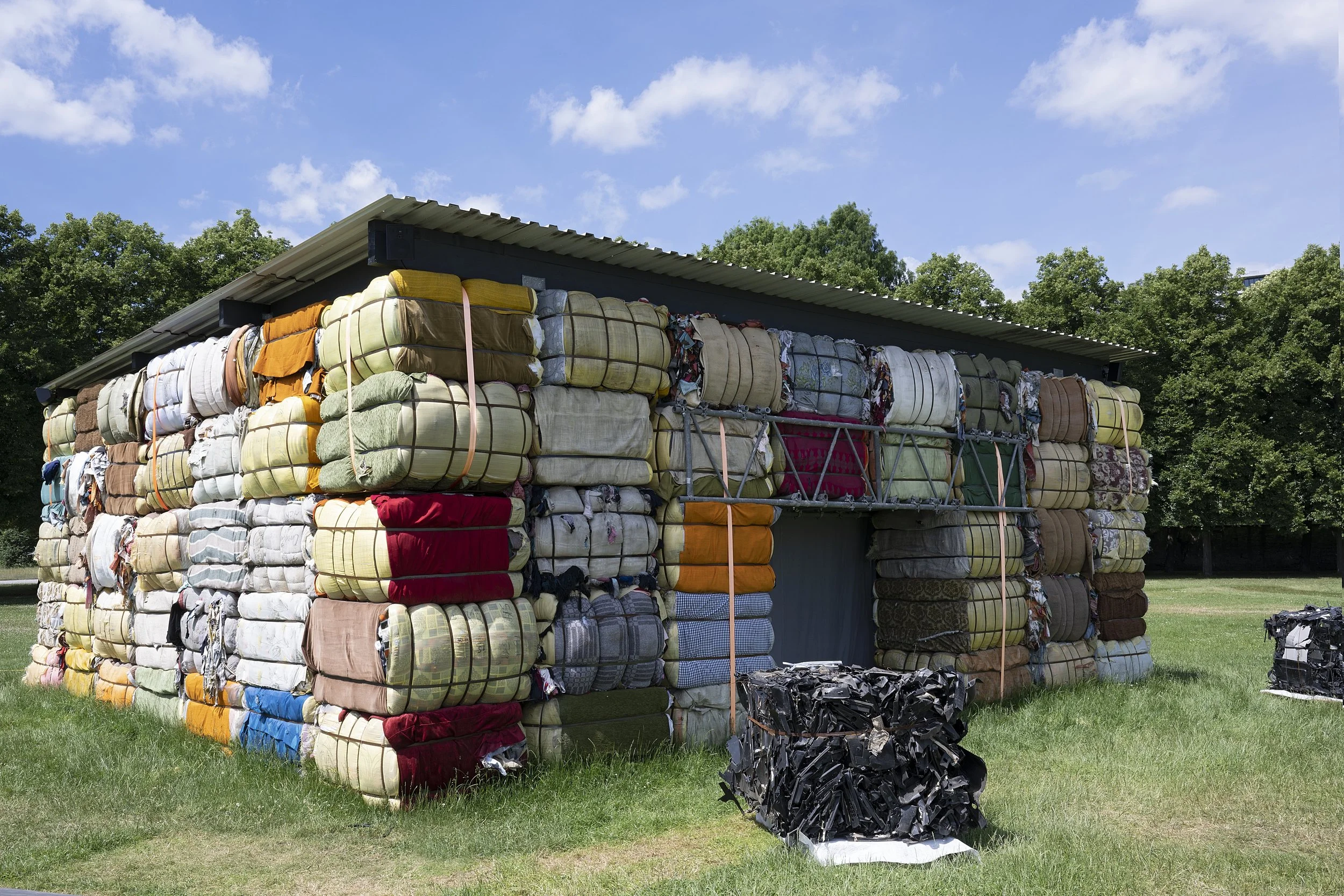
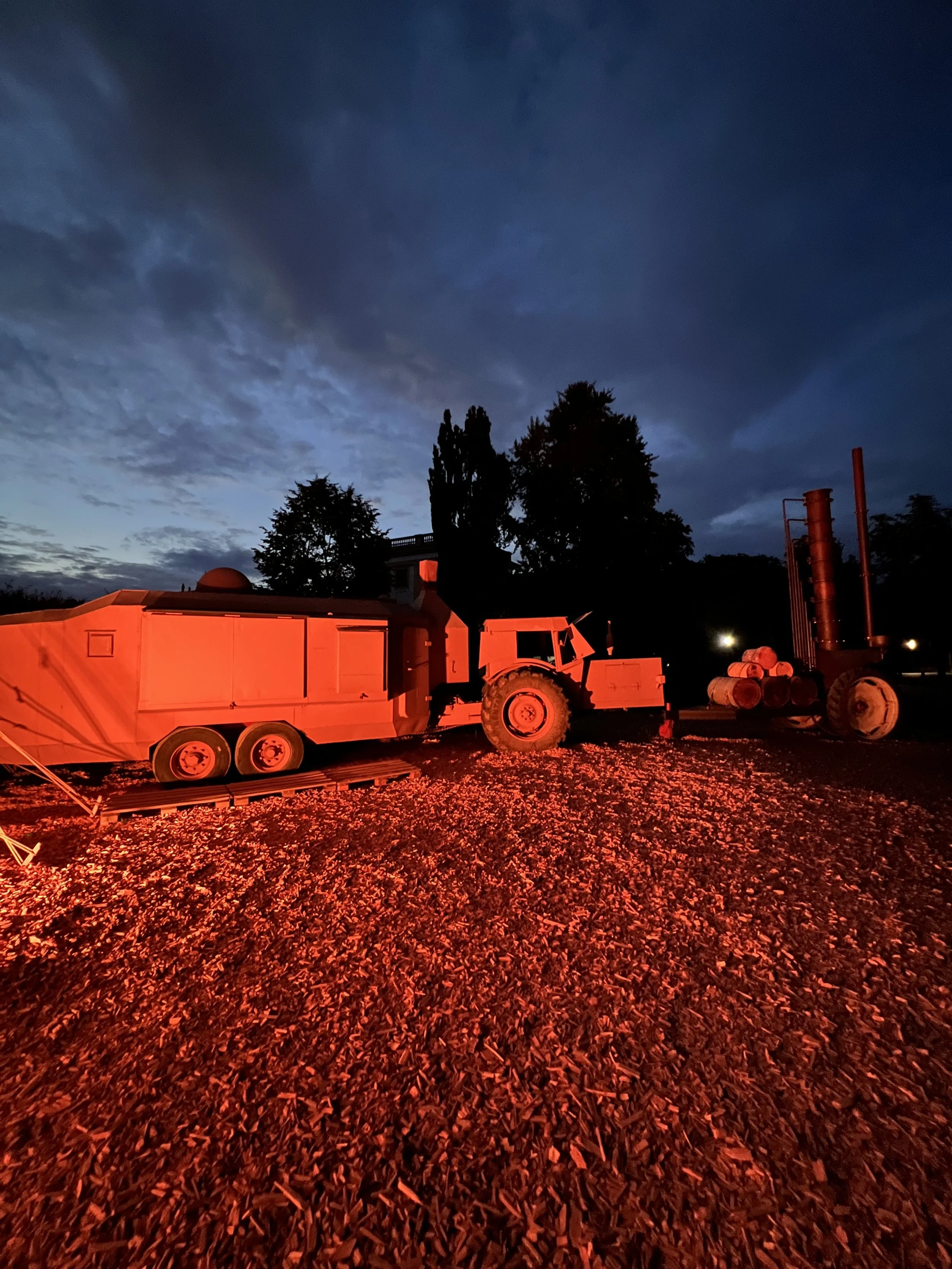
This astonishing installation accompanied by a short movie in the tent behind mimics the cloth, plastic, and metal trash exported or "donated" to Africa. It explores the context of the mountain of litter which may only be visiting Kassel public space for 100 days but is a current unending reality in Kenya and many African countries. For me, it was one of the most shocking and provoking artworks at documenta 15. Similar stories are happening in many Asian countries as well, including China, where I was born.
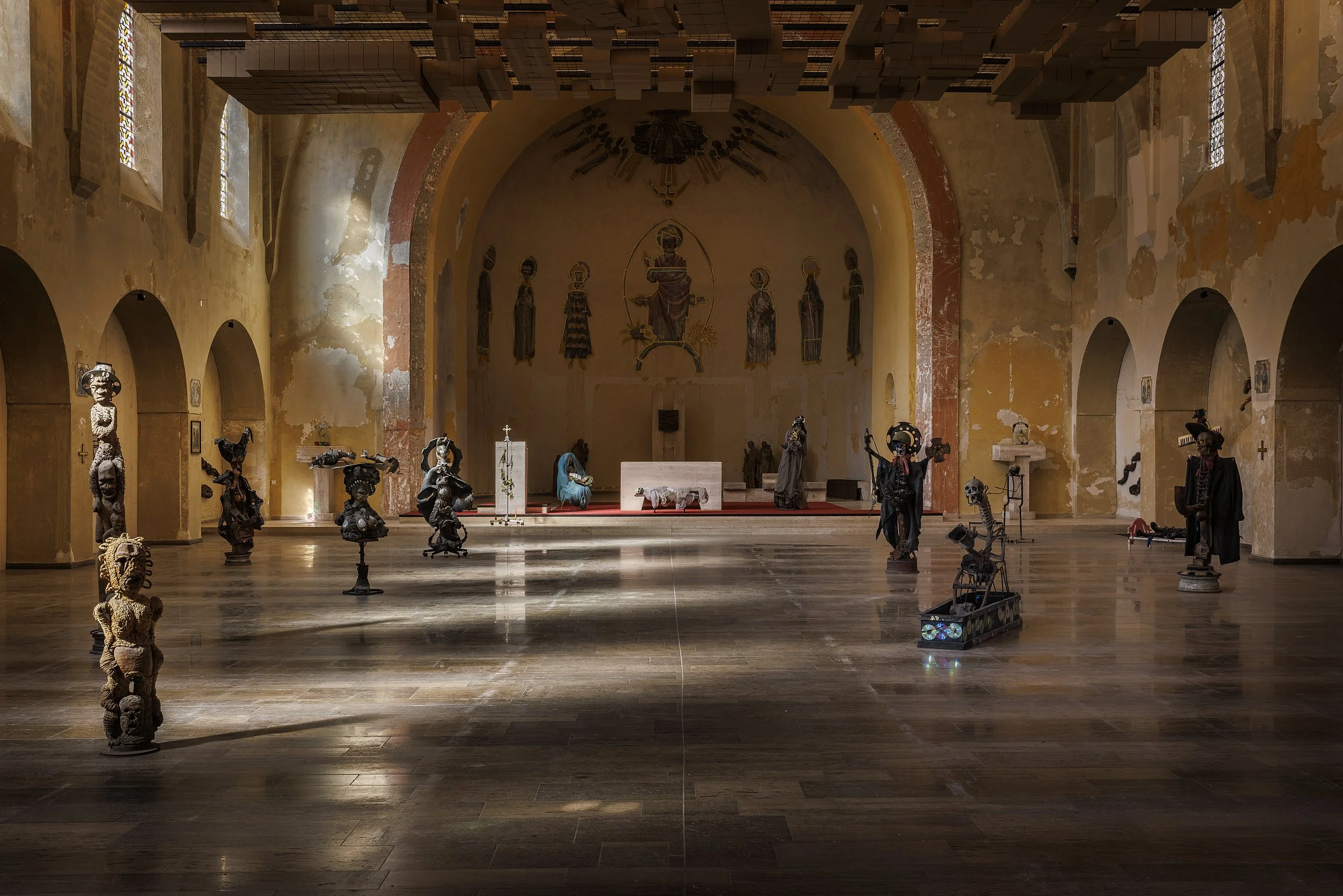
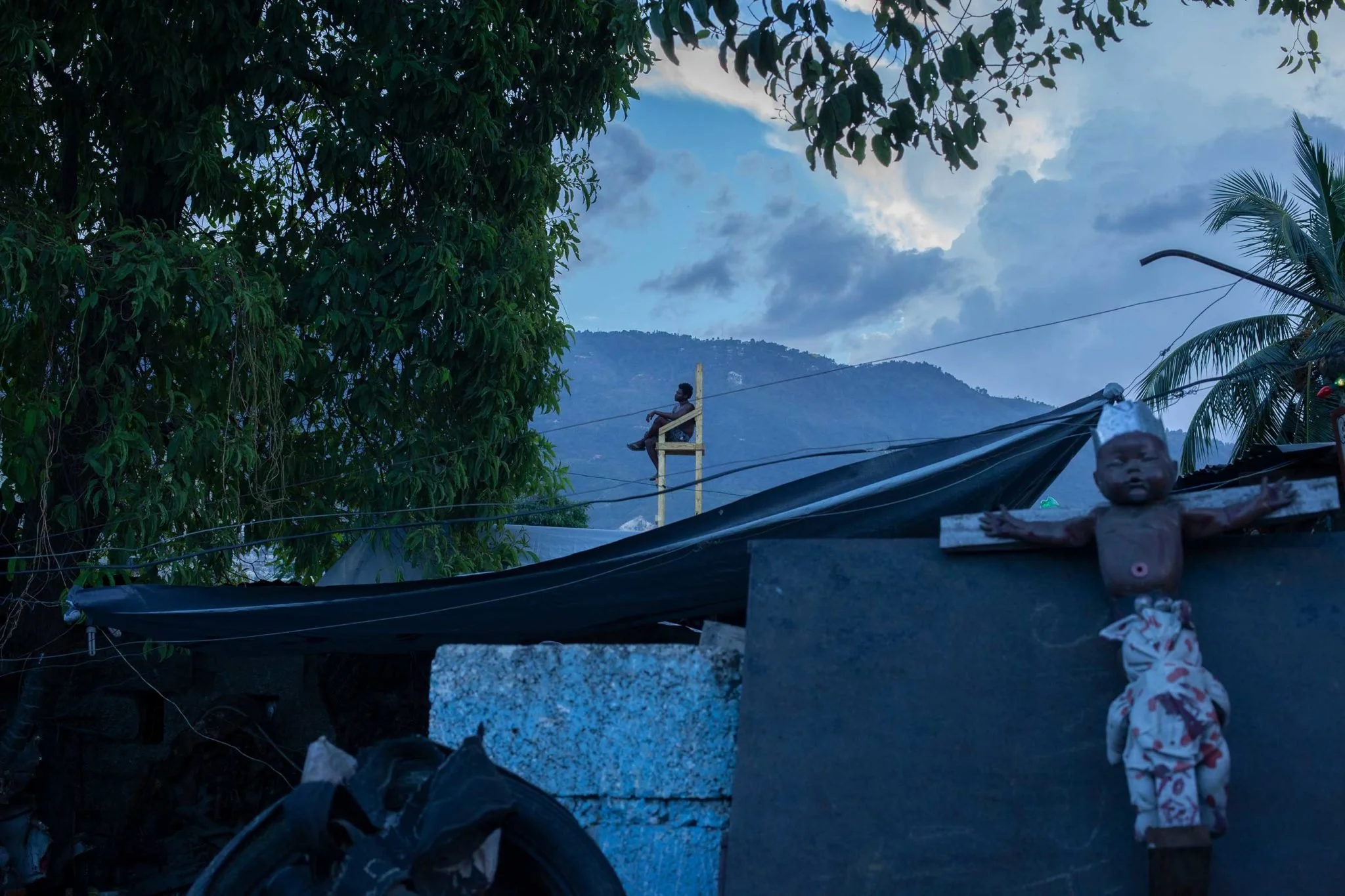
Coming from the Grand Rue neighborhood of downtown Port-au-Prince in Haiti, Atis Rezistans (Resistance Artists) is a dynamic group of talented artists. Their ongoing practice "Ghetto Biennale" invites Haitian and international fine artists, filmmakers, academics, photographers, musicians, architects, and writers, via a global open call, to come to the Grand Rue area to make work or witness the event in their neighborhood. This event has taken place every two years since 2019.
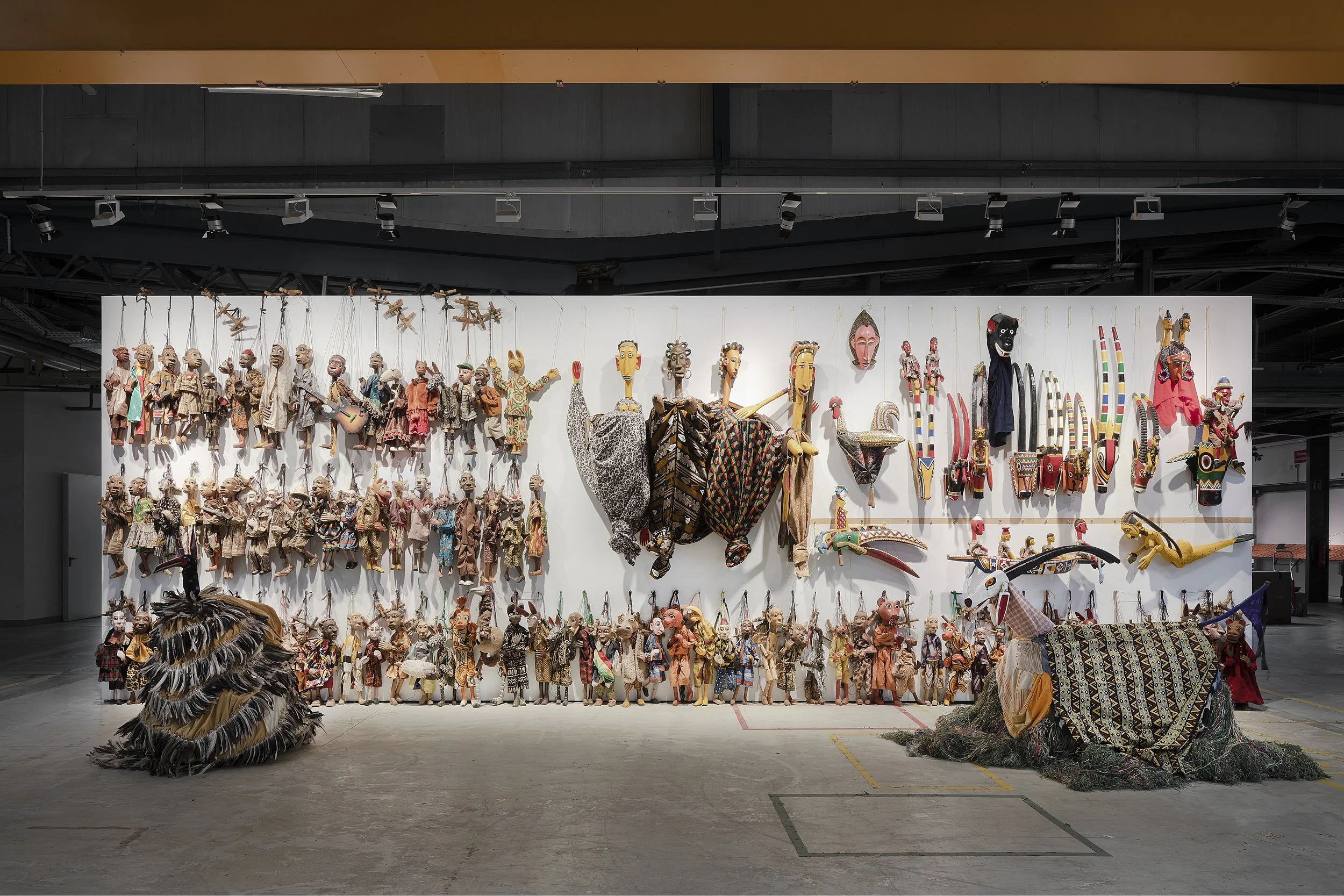
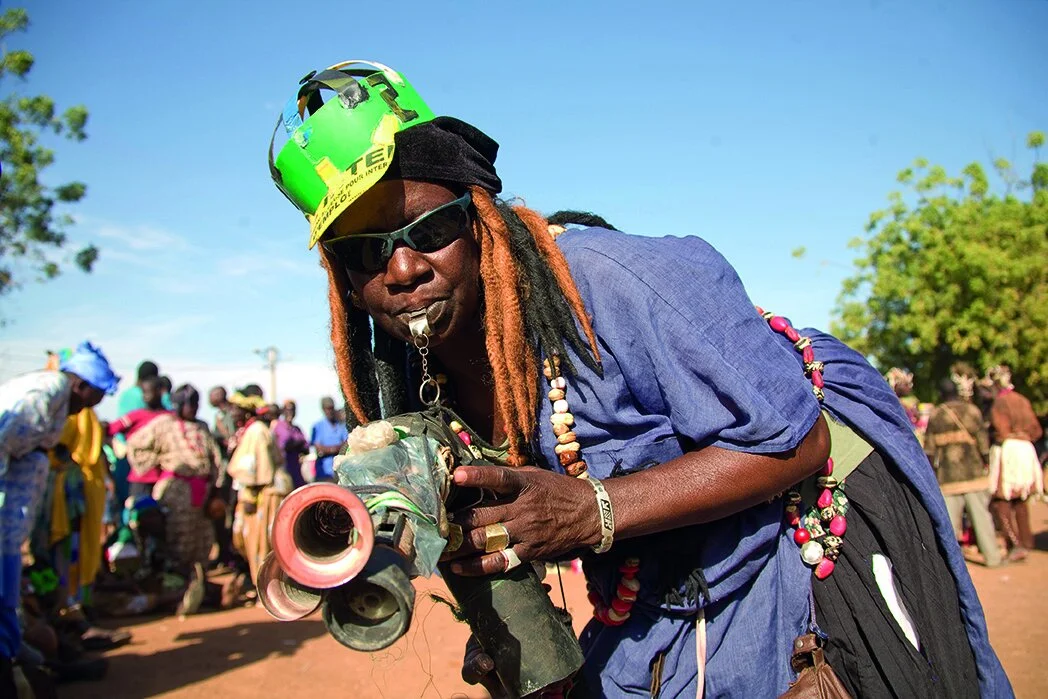
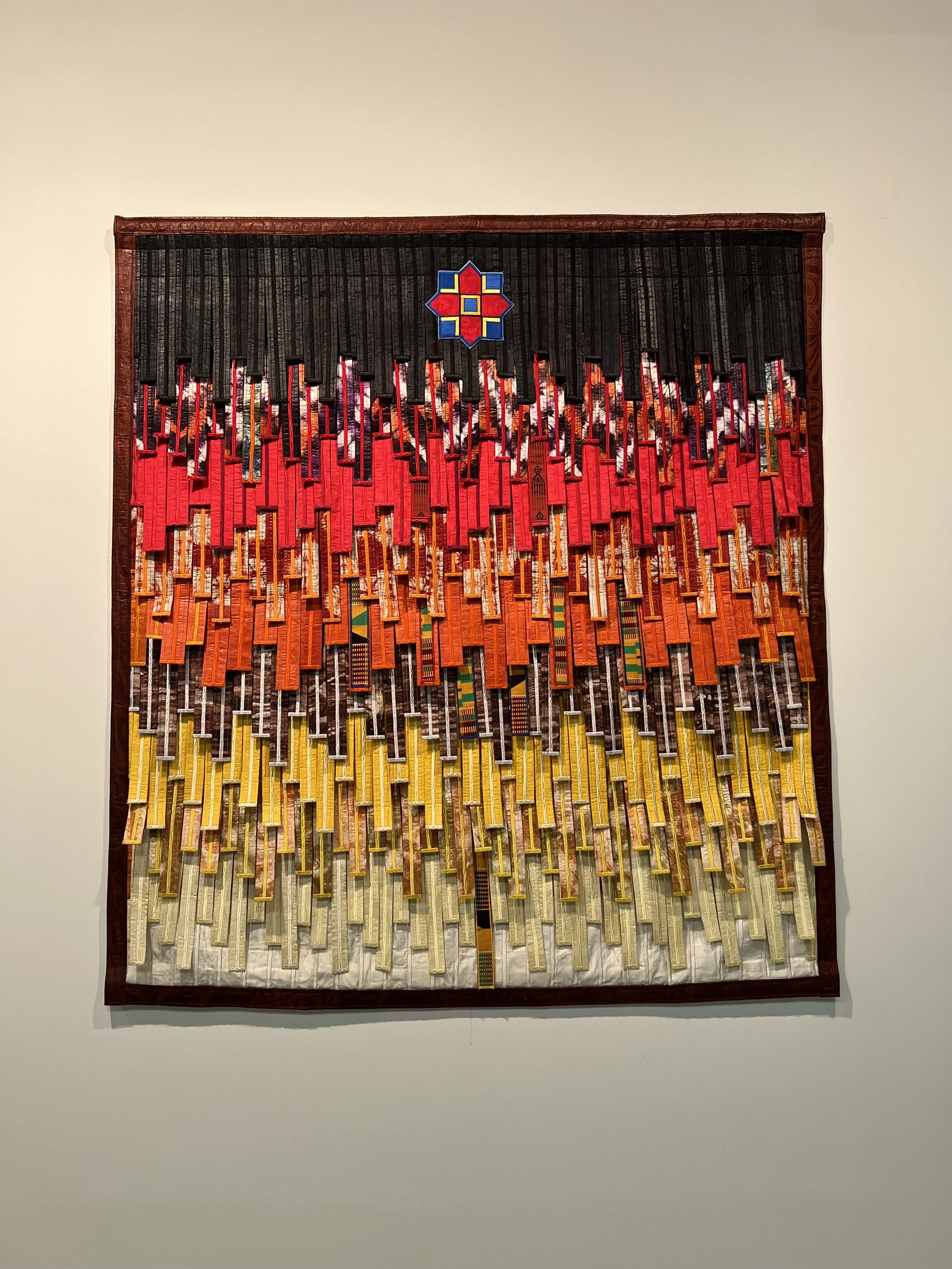
After its inception in 2005, the Festival sur le Niger quickly became the largest cultural event in Mali and West Africa with its rich program, spanning music, dance, theater, visual arts, and more. Bringing a piece of their beautiful culture and craft to documenta fifteen, the colorful and marvelous pieces easily catch every visitor's eye.
As a designer and artist with an Asian root, I was obviously also looking for Asian influence at documenta fifteen. After the two days I spent in Kassel, I am positively surprised by the quality and aesthetic I saw and experienced there. It was delightful to dive into a cordial atmosphere that presents the values and cognition I feel close to, from so far away from home. Some pieces are very political and awakening, while others are simple and narrative — the mixture of variety was truly impressive.
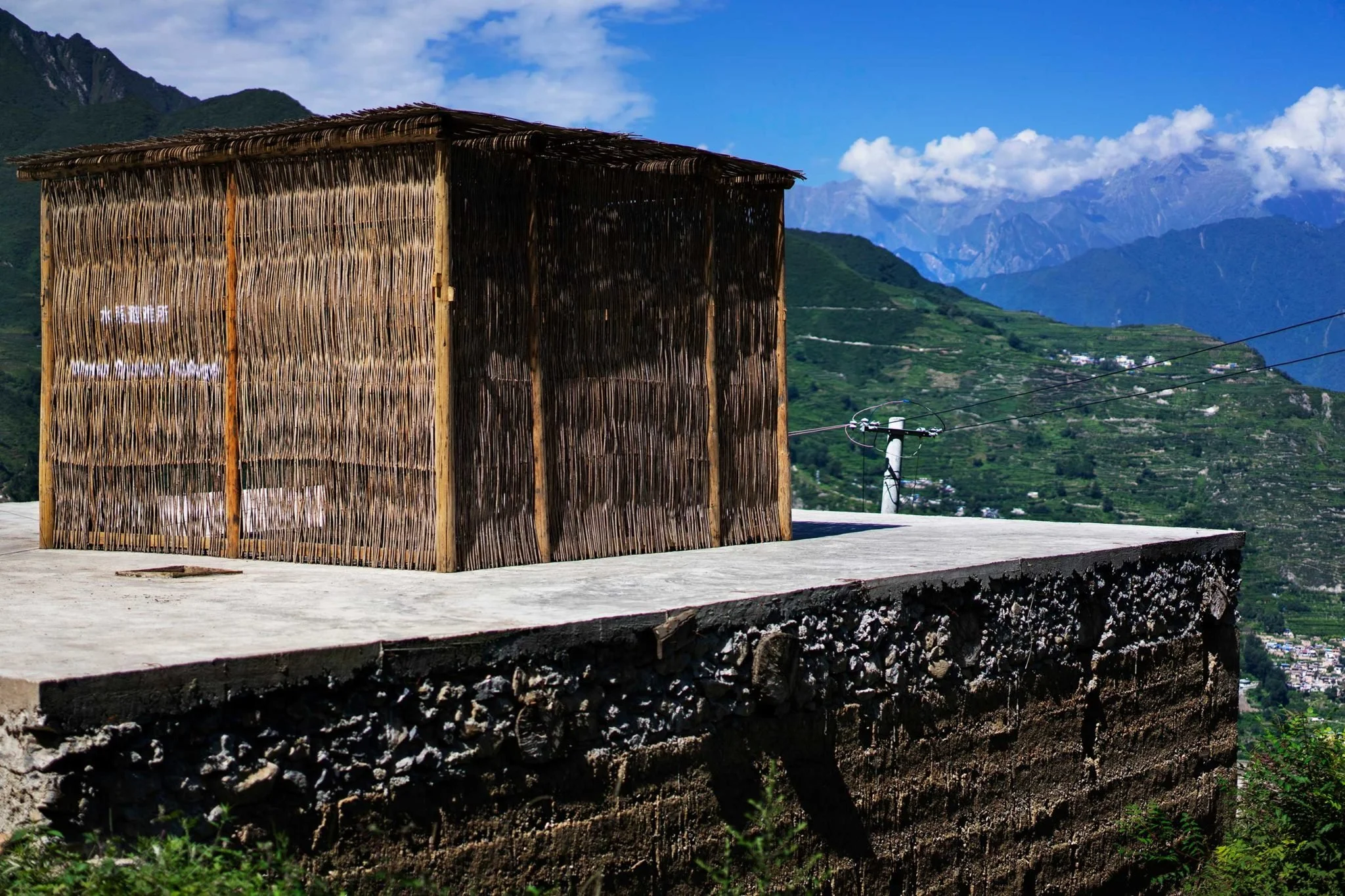
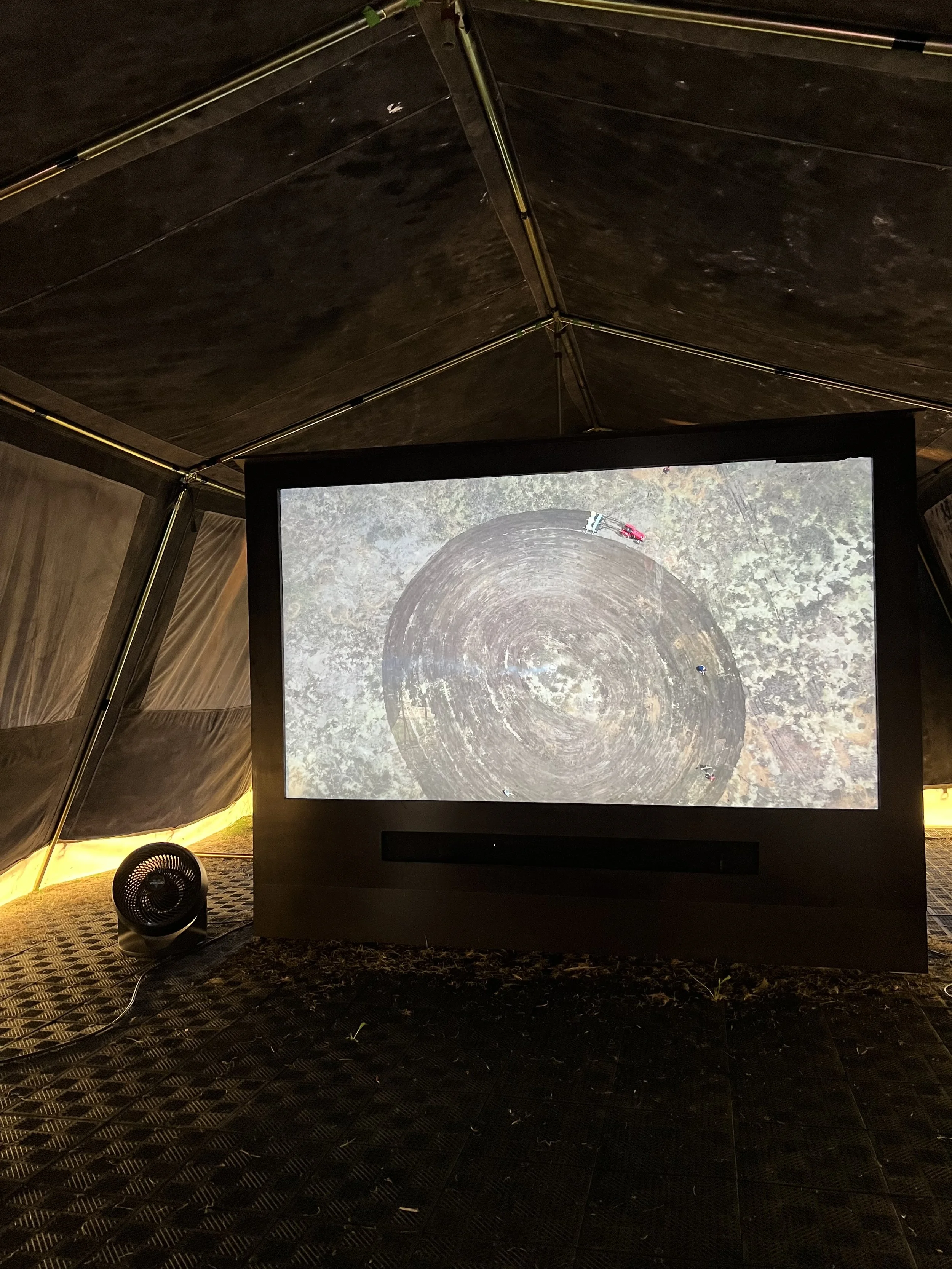
My first stop was for the Chinese artists Cao Minghao and Chen Jianjun from Chengdu. Their long-term art project Water System Project in Sichuan Province is based on research, dialogues, and diverse collaborations reflecting on the local water system's historical changes and contemporary realities. It represents a very common relation between the facts and the survival of myriad things. This kind of relationship occurred so often in human history that we had to sacrifice our peace with nature for our own good, and is still accurate especially in developing countries nowadays.
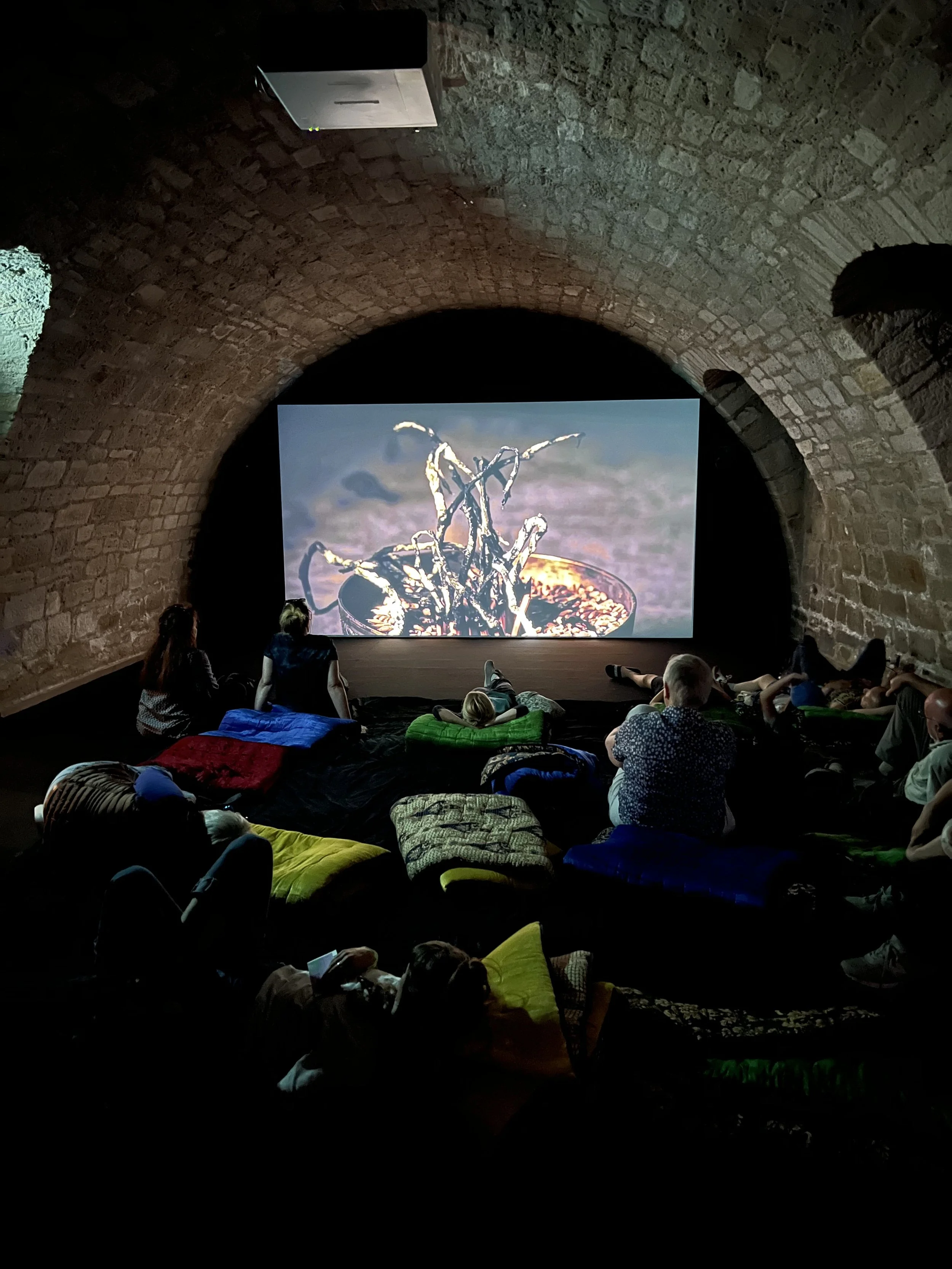
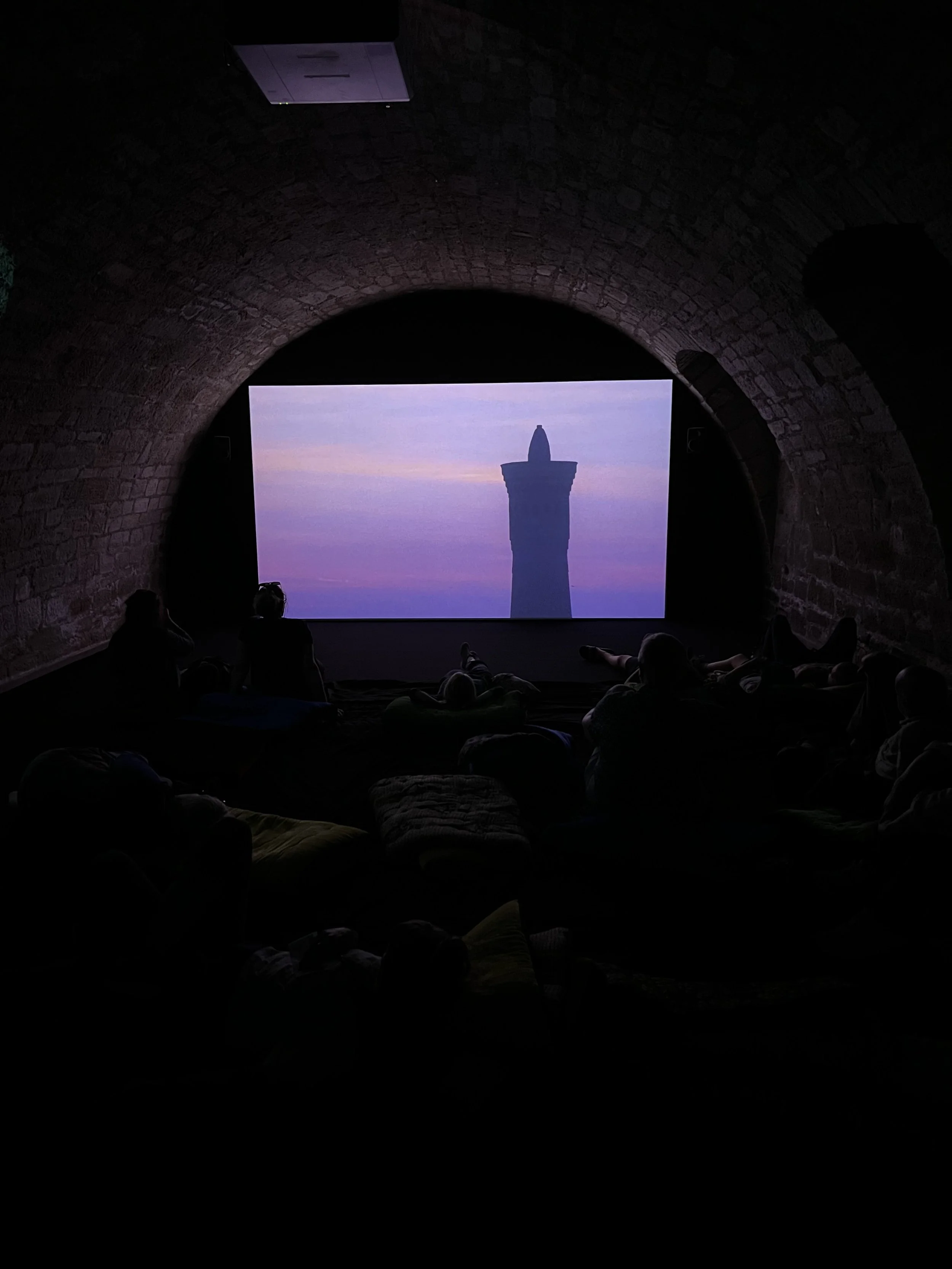
In the basement of Fridericianum, under the cozy arcs and in those soft mats, Uzbek female artist Saodat Ismailova gave us a wonderful and unique experience. Coming from the special post-Soviet era and living now between Paris and Tashkent, her point of view is among the most fascinating. For documenta fifteen, she invited 18 artists from Kazakhstan, Kyrgyzstan, Tajikistan, and Uzbekistan, working together to enact works involving, amongst others, music, clay sculpture, and film. I felt proud of the subtle and mysterious Asian culture and philosophy when I was there among the predominantly European visitors. The gradual scenes of the films drag the viewer into a deep aesthetic meditation, leaving with an infinite reverie.
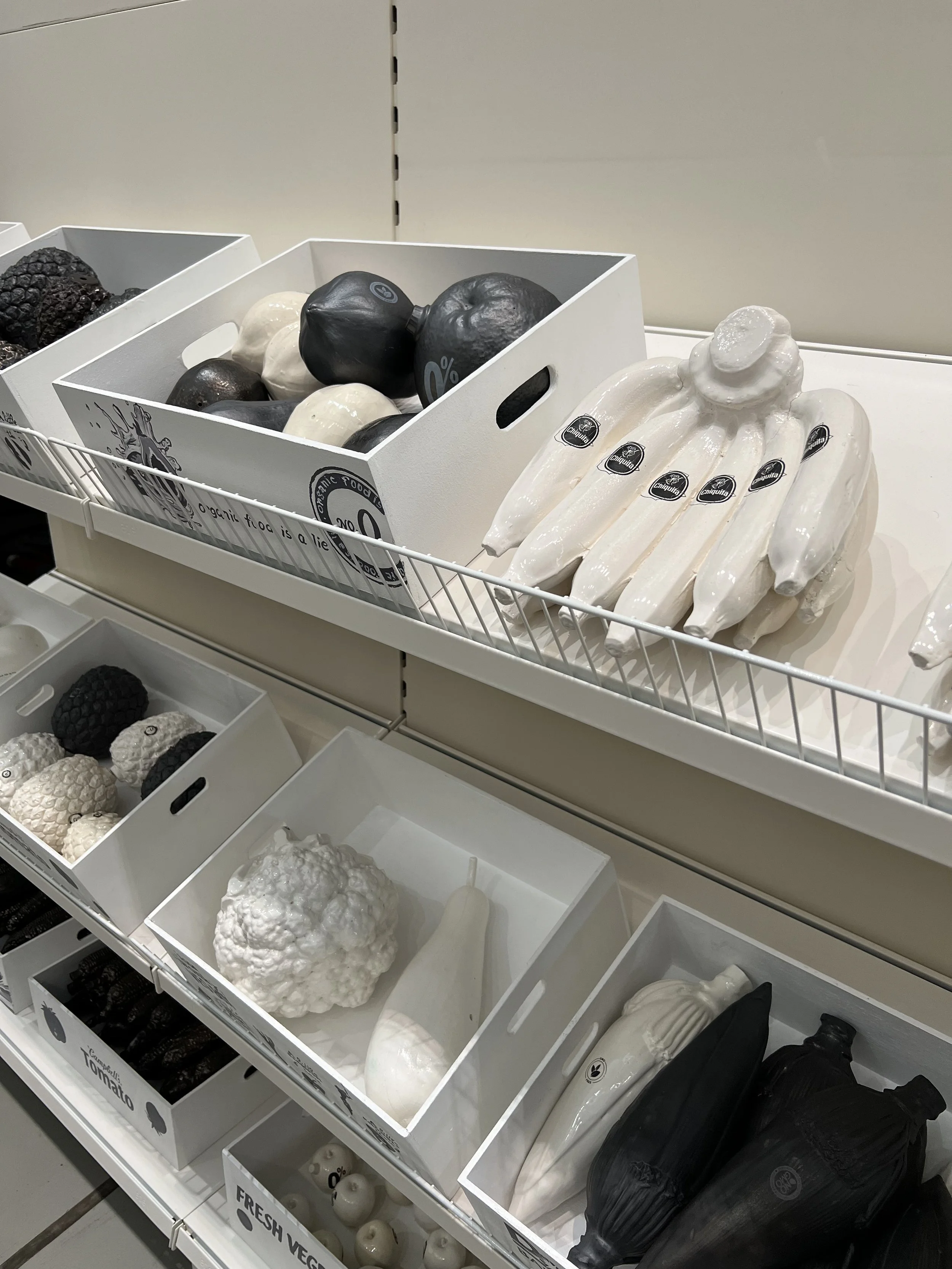
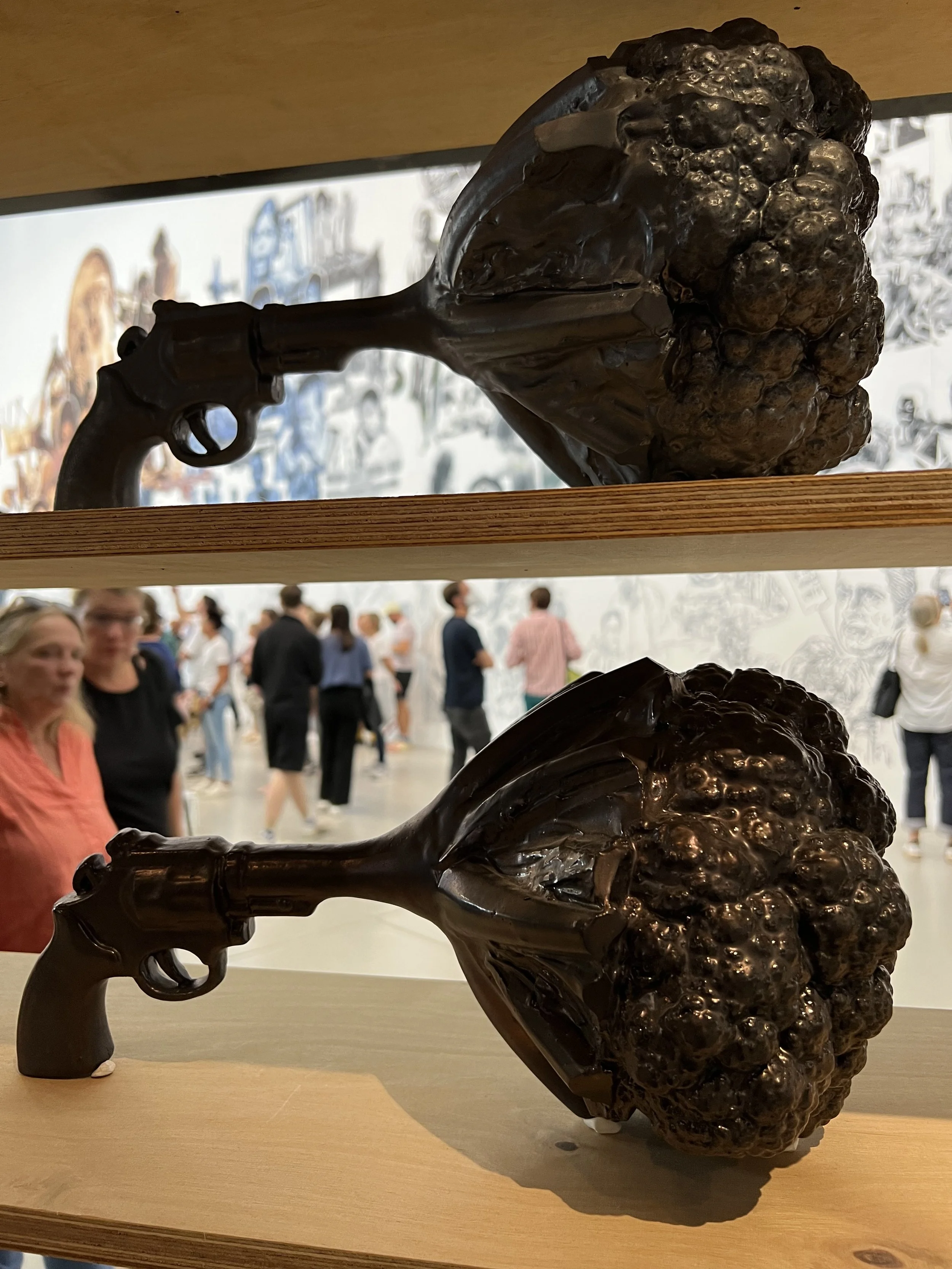
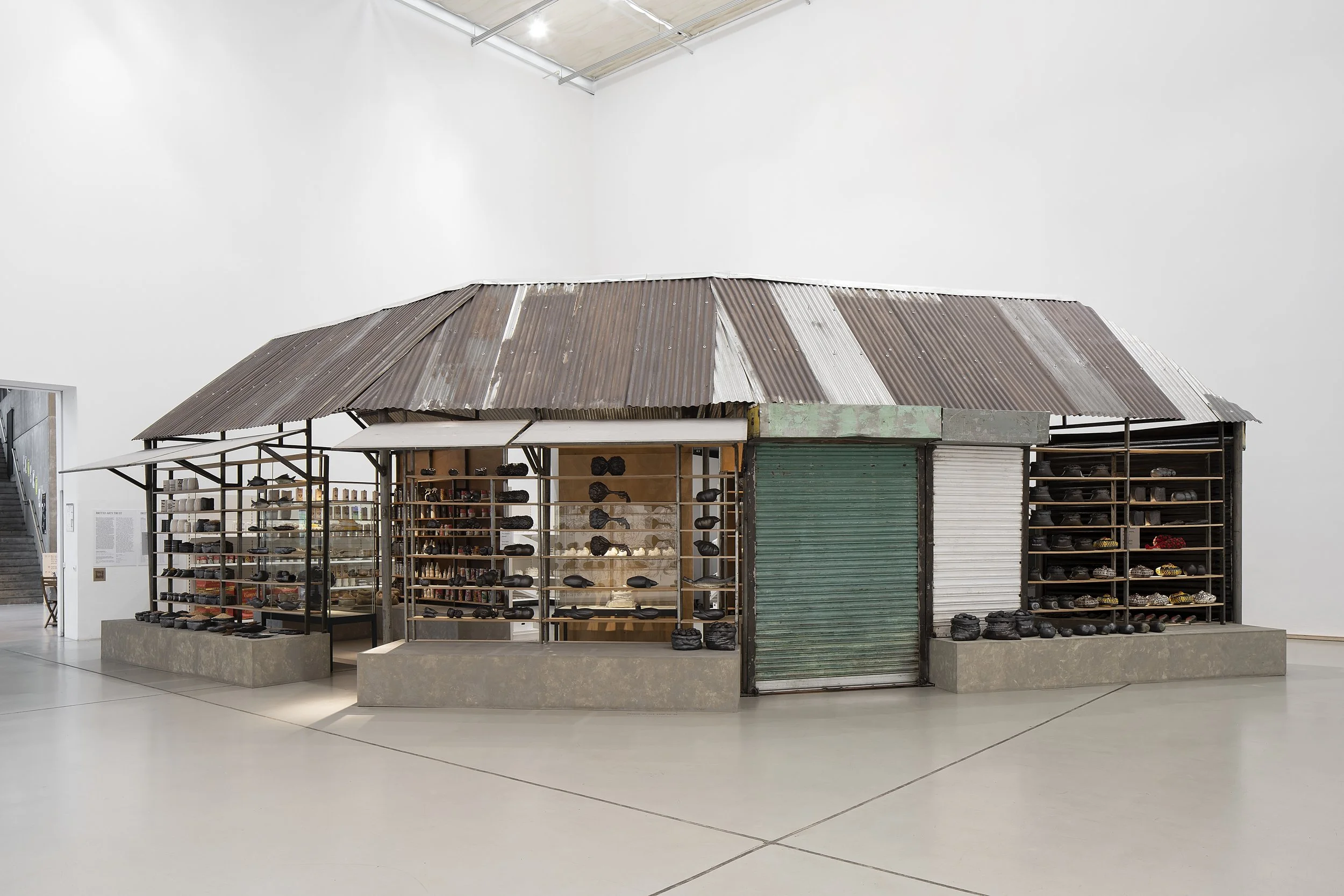
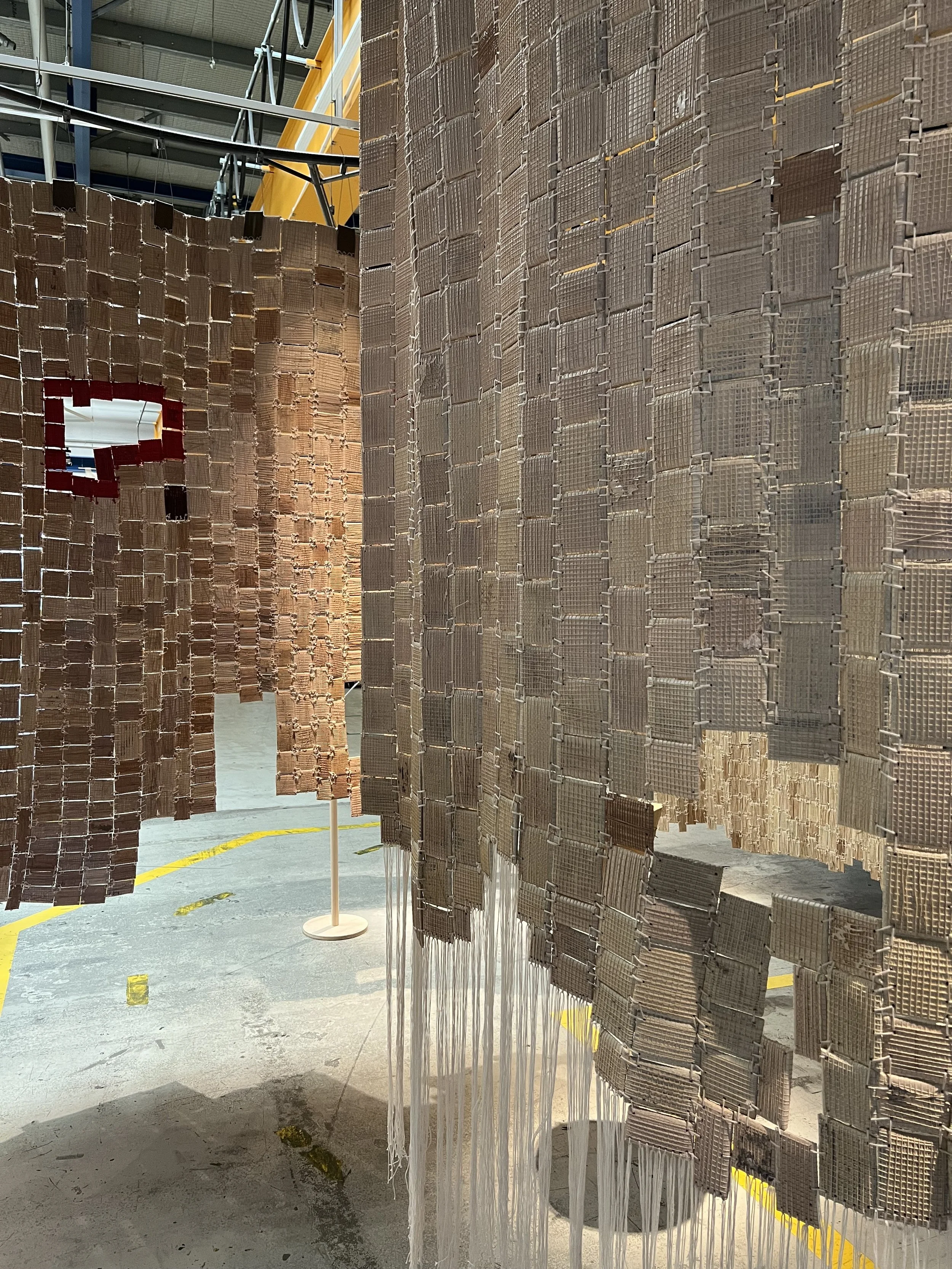
Based in Dhaka, Bangladesh, Britto Arts Trust is an artist-run non-profit collective founded in 2002. With their exploration of missing histories, cultures, and communities, collaborating with various partners, they brought some very interesting core discussions about food politics, culture, and displacement. Their outdoor Bengali kitchen garden palan invited people worldwide to cook their dishes and share their stories and memories. The indoor large-scale installation rasad using crochet, ceramic, metal, and embroidery to mimic a food market in a small town was among the most impressive. In their own words, there is a lot of politics for the food, like mono-agriculture, labor suppression, migration, displacement, war, and famine. The art presentation reflects the fact that a lot of previously basic supplements which people from remote locations could produce by themselves can nowadays only be purchased. People are depending on industrial production. This kind of conflict might not be on the central stage in developed countries anymore, however, is and will be a problem for people in the rest of the world in the years to come.
Getting older definitely changed my way of enjoying art and thinking about the world. In the last year of being twenty-something, I felt the urge to participate in things in a political way, to call for attention and actions. Therefore, I admire all those brave artists from all the continents who are strong enough to march against the hurricane that has been blowing. More than ever, I appreciate this event facilitated by so many talented people, showing this world around us in an unusually satisfying way.
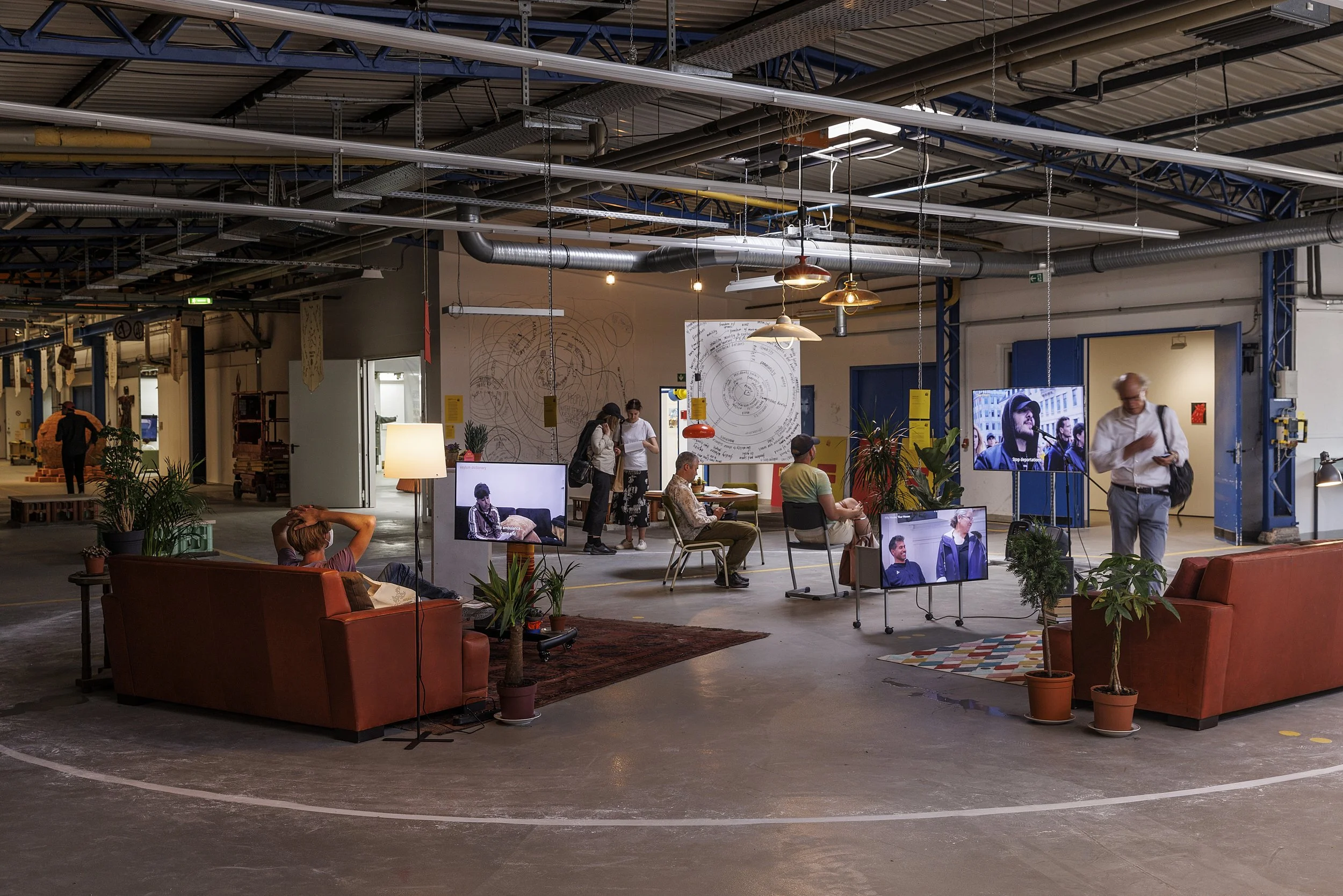
Formed in 2010 by a group of artists, curators, refugee rights advocates, and asylum seekers as an antidote to Denmark's asylum, refugee, and immigration policies, Trampoline House created this soft territory marked by a circle of chalk on the floor. Inside the circle, a public program of performances, debates, and screening of artworks put the Danish asylum system and attitudes towards refugees and migrants into the spotlight.
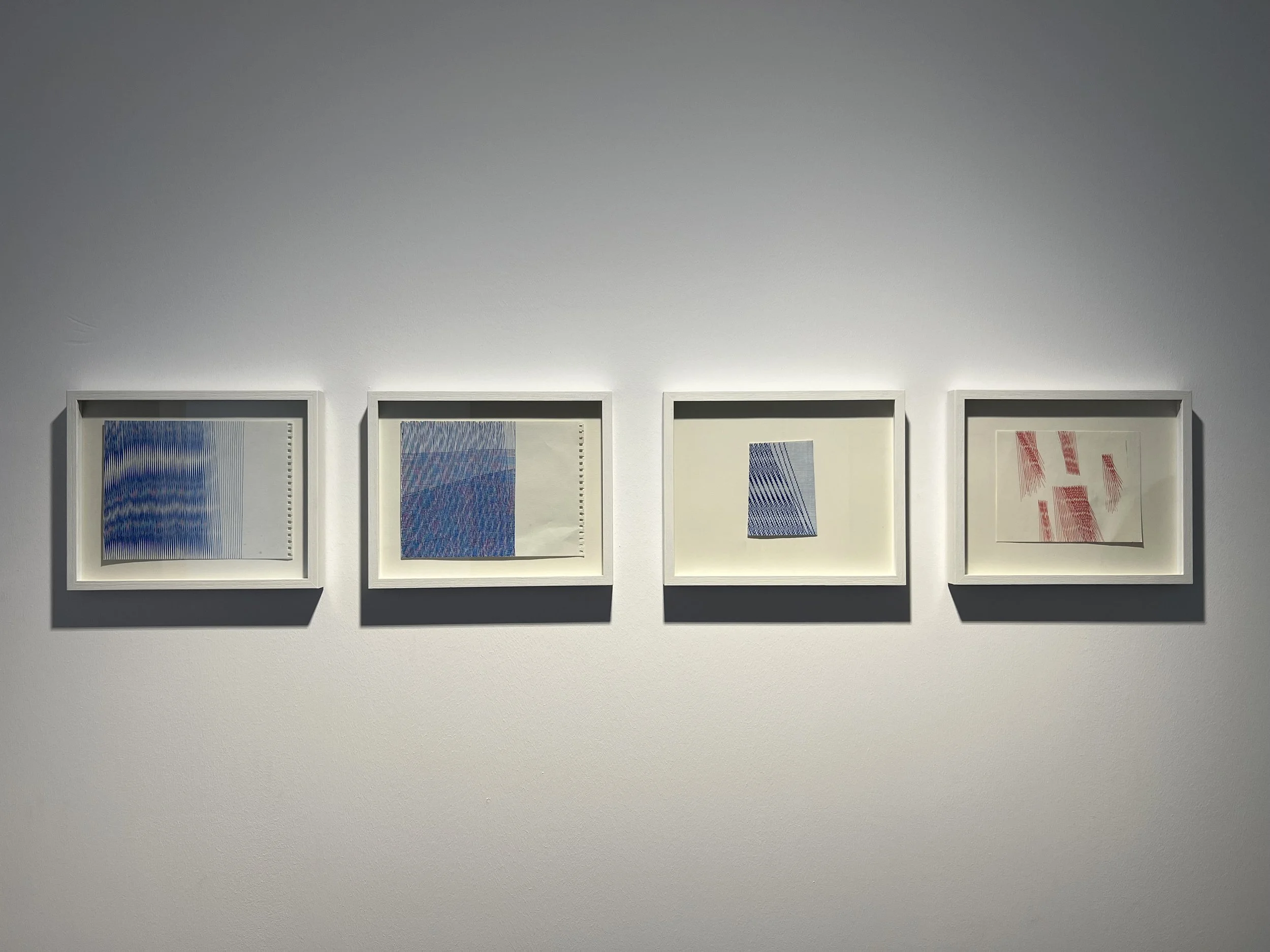
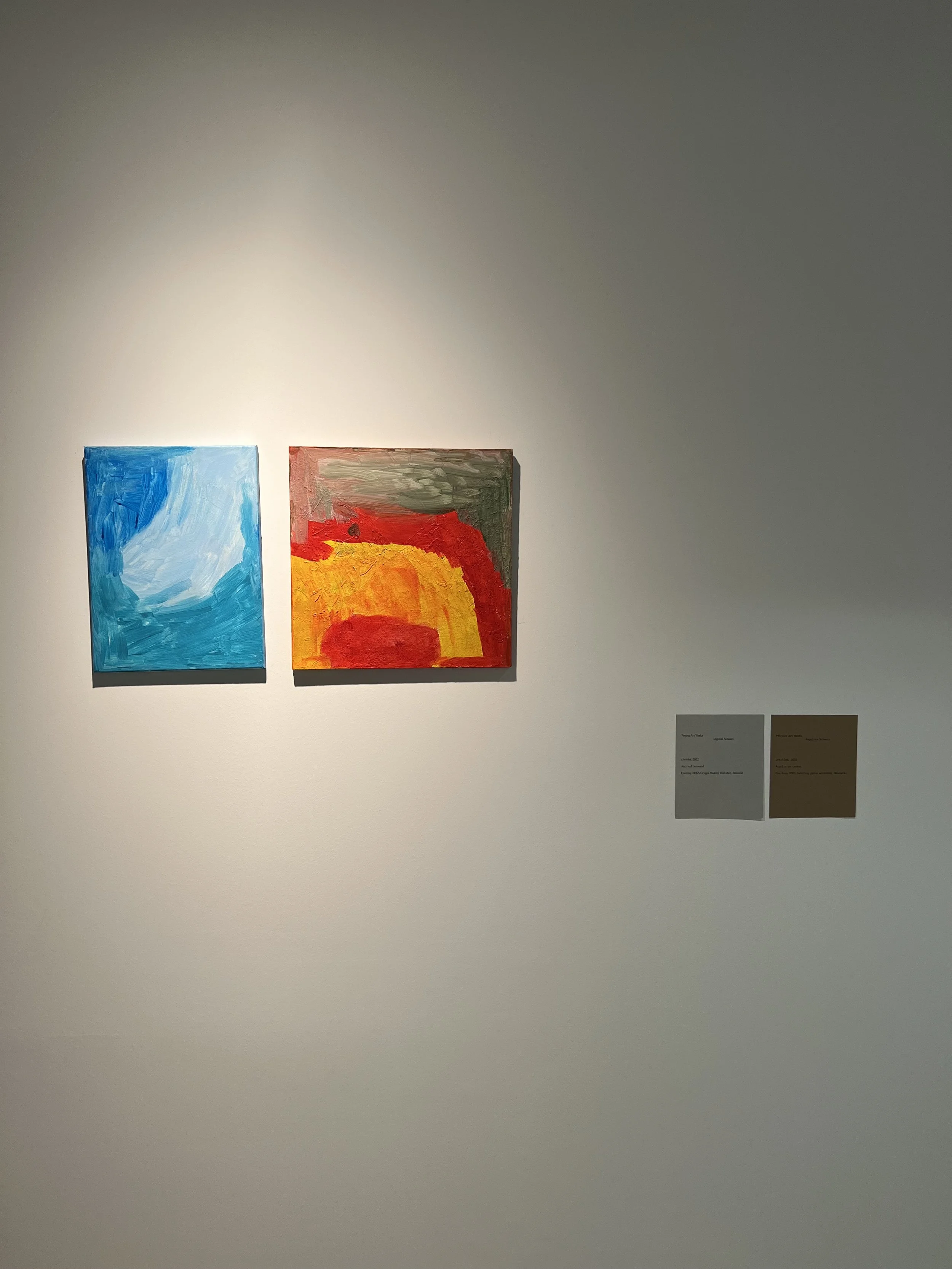
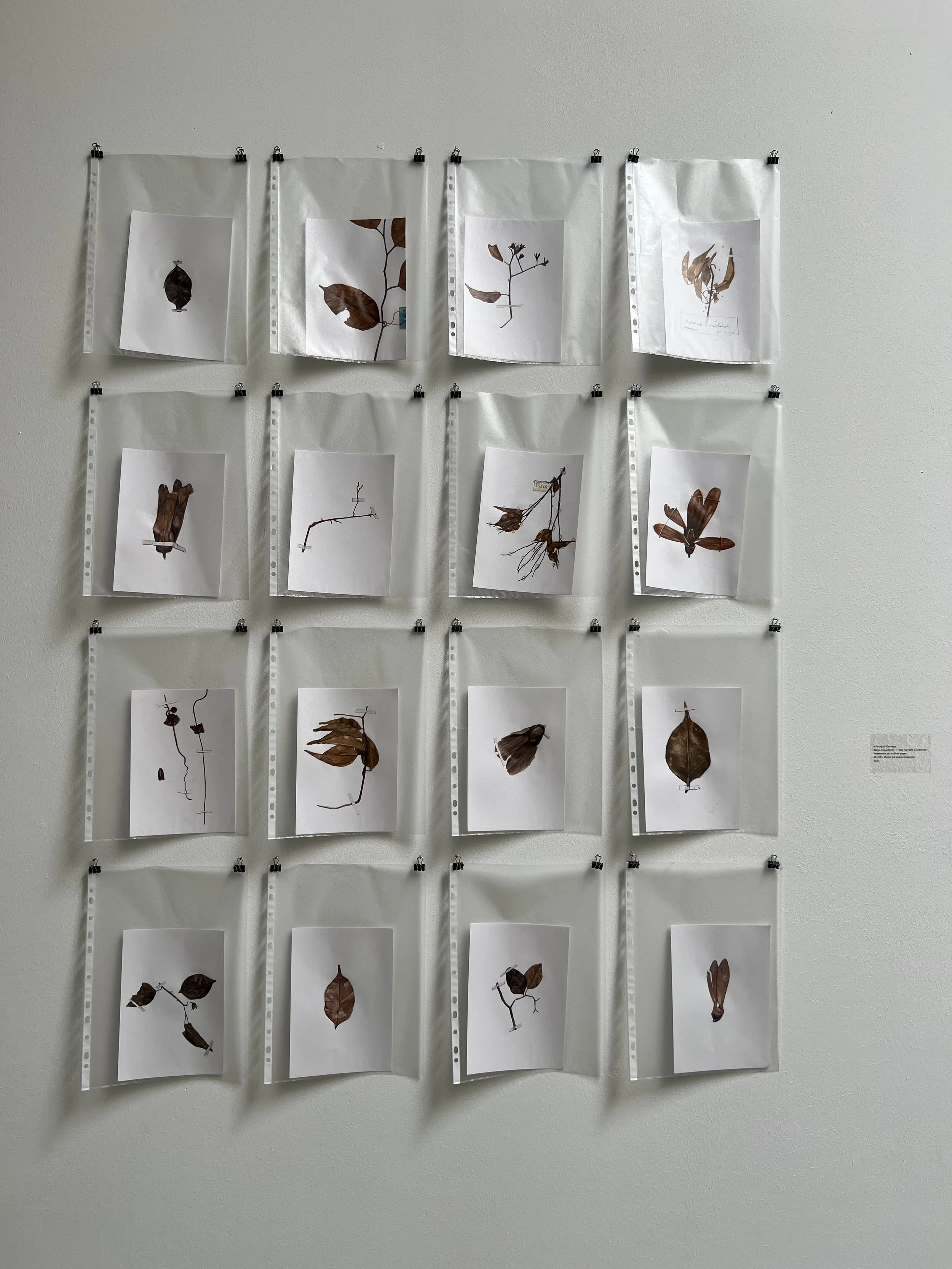
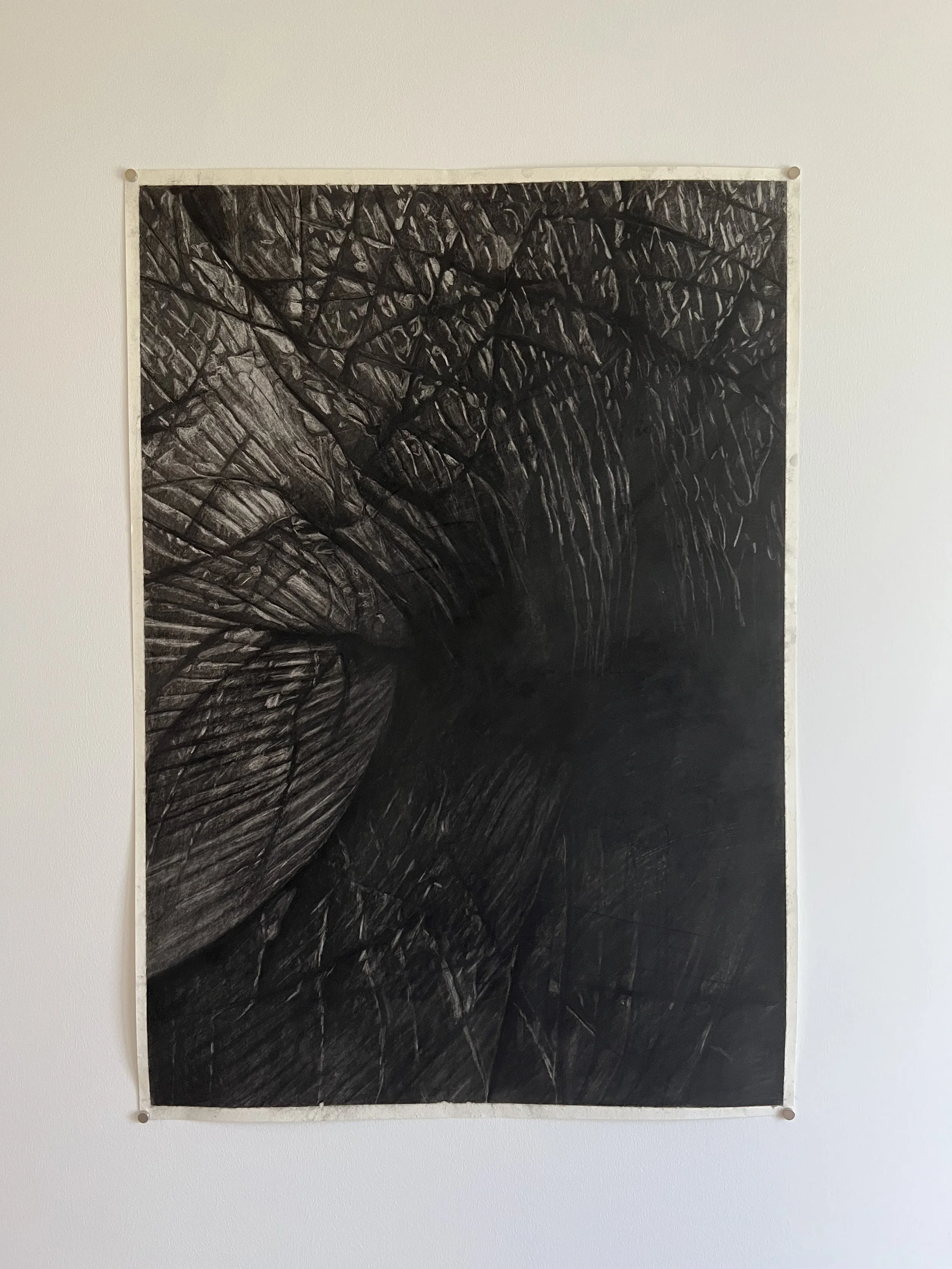
Of course, art does not have to be functional, political, or even have a purpose. In documenta fifteen, there are also enough art pieces that straightforwardly show the unique senses of beauty, aesthetics, and the simple joy of creating art itself. The following pieces are among the most impressive to me.
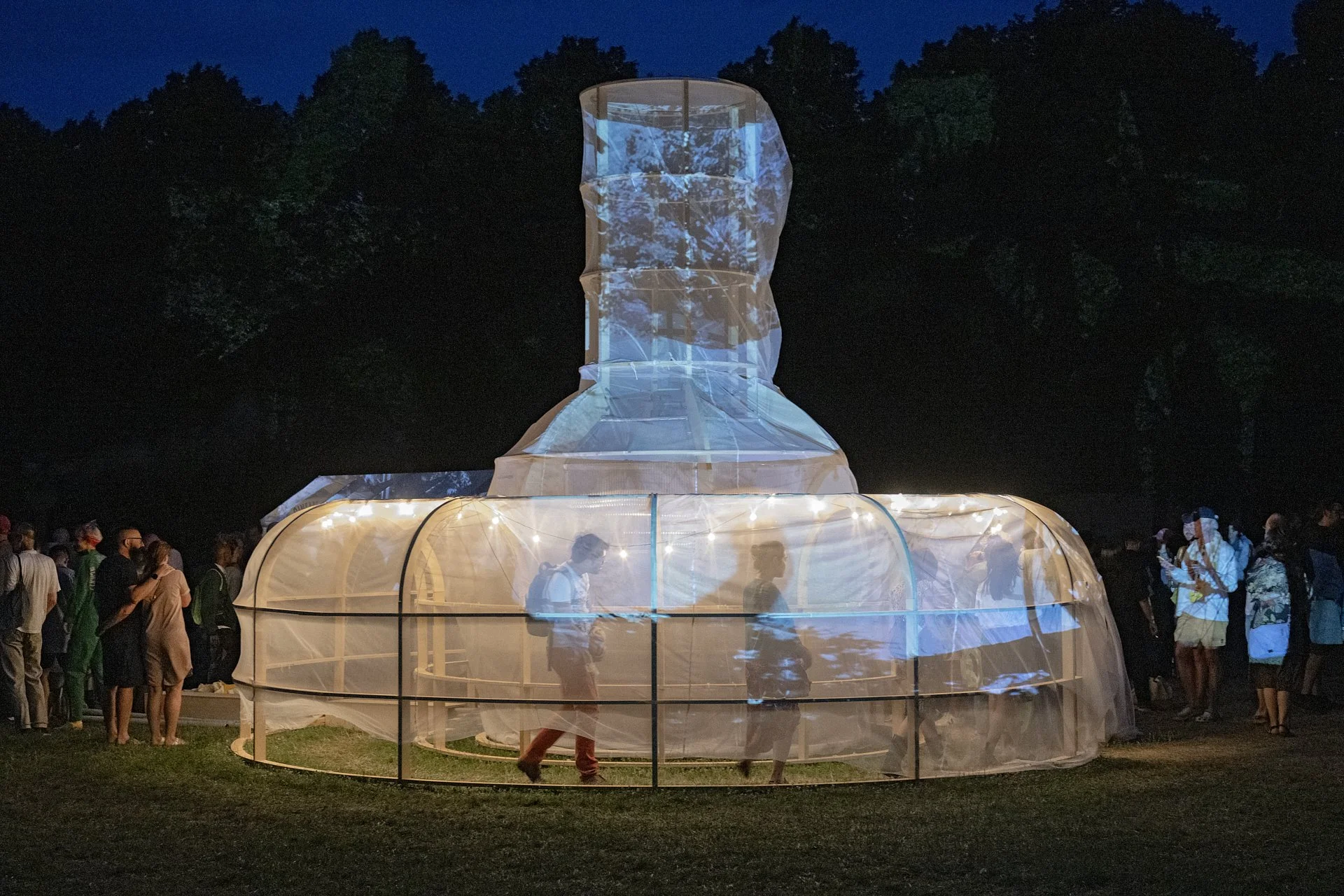
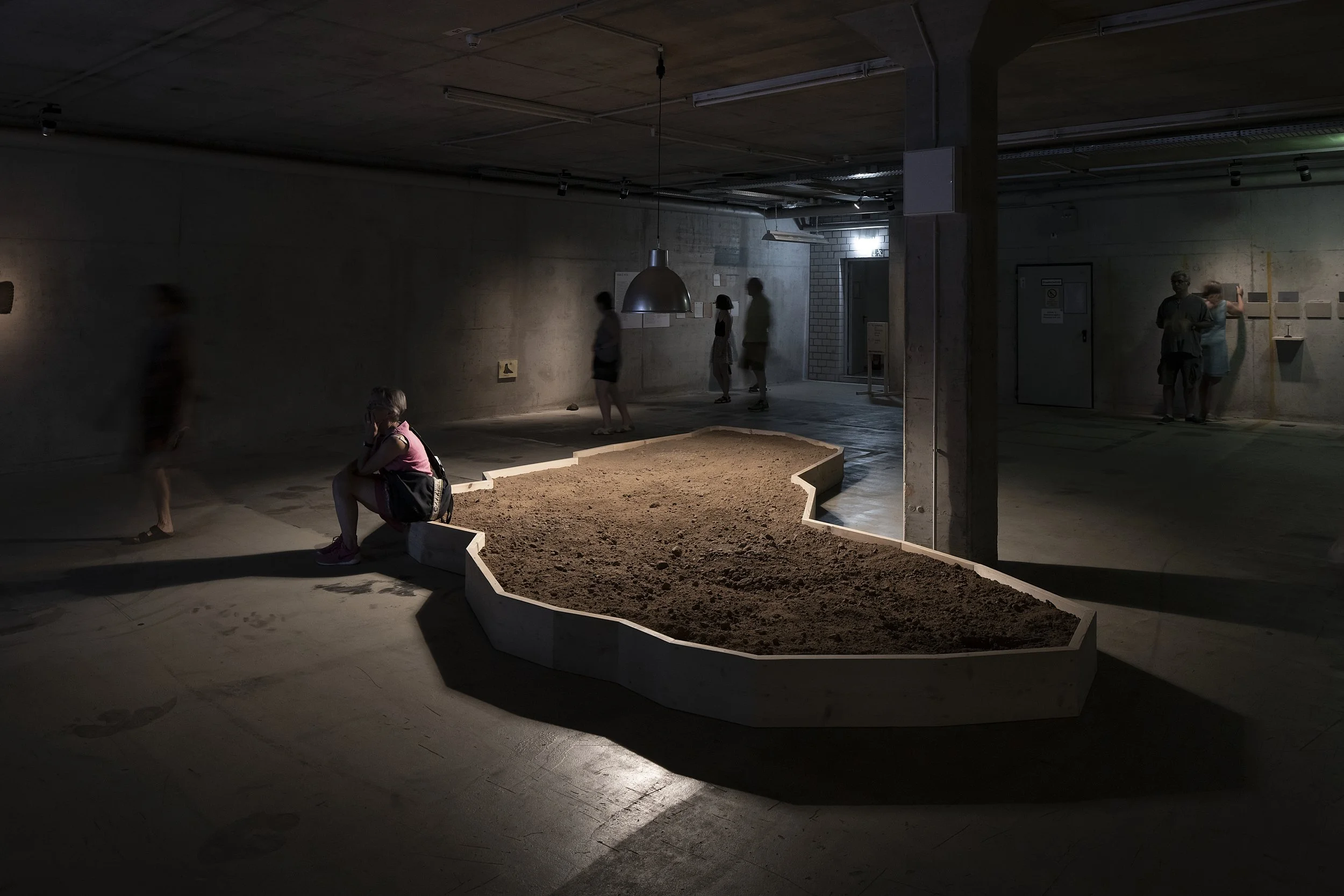
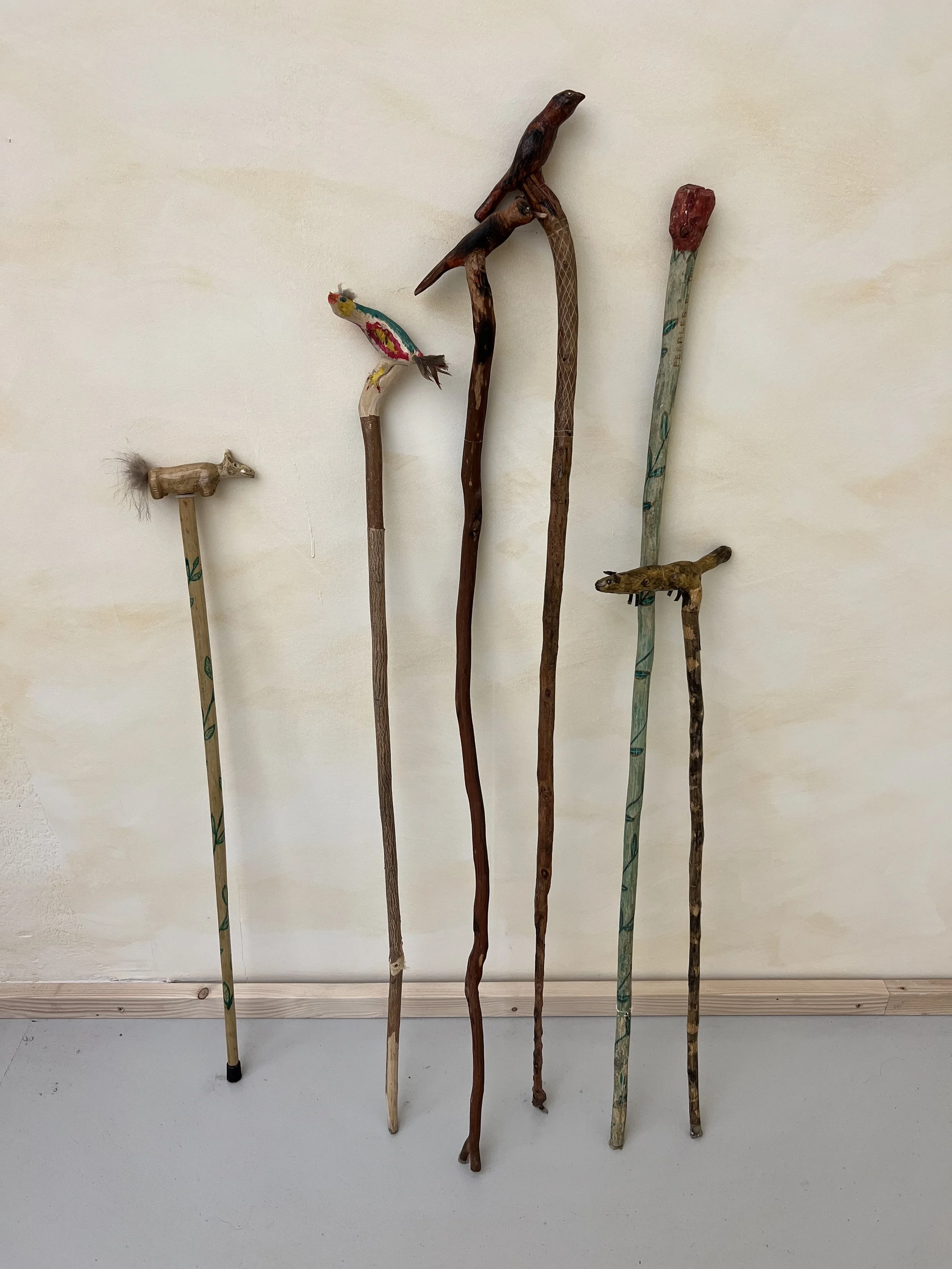
Art is brave. This is what I learned the most from my short stay in Kassel this summer. The boundary between art and media is blurred. To some extent, art is a poetic way to express political and cultural views and demands. We all want to and need to express our opinions, art gives us a pleasing way to accomplish it. I admire and envy the artists who could really make their complex thoughts settle and precipitate into pieces of work.